
Best Budget Winter Sleeping Pads of 2026
Finding a warm sleeping pad for winter doesn’t have to cost a lot. You just need the right features. A good winter pad keeps you off the cold ground. It also traps heat to keep you warm all night. Some pads are lightweight and easy to carry. Others are thick and extra warm for deep cold. The key is to balance warmth, comfort, and price. In this guide, we’ll show the best budget winter sleeping pads. These options are great for camping in cold weather. They’re affordable, reliable, and tested by real users. Read on to find the right one for your next winter adventure.
1. KLYMIT Insulated Static V2
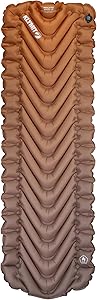
- Weight: 1.3 lbs.
- Dimensions: 72 x 23 x 2.5 in
- Packed: 28 x 5 in packed
- R-Value: 4.2
The Klymit Insulated Static V2 balances low weight and solid warmth for three- to four-season use. Its V-chamber design hugs the body, limiting convective air movement and keeping loft where you need it most. The Klymalite synthetic insulation gives a noticeable warmth boost over an uninsulated pad while keeping the pack size small. Setup is trivial: a few breath blows and the pad is usable, and the single valve design keeps things simple in camp.
Comfort-wise the dynamic side rails and body-conforming V-chambers do a good job of keeping you centered and reducing the feeling of rolling off the pad. At 2.5 inches thick it’s stable for back and side sleepers who don’t require deep cushioning. Durability from 75D polyester is decent for regular use, and the 4.2 R-value makes it useful into chilly shoulder-season nights. If you want an ultralight winter-only pad, there are warmer options, but for an insulated, packable everyday pad the Static V2 is a strong, practical choice.
- Pros: Lightweight, quick to inflate, body-conforming comfort.
- Cons: R-value not extreme for frigid winter; 2.5″ thickness is modest.
See the KLYMIT Insulated Static V
2. REI Co-op Trailmade

- Type & Shape: Self-inflating, Rectangular
- R-Value: 5.5 (ASTM F3340)
- Thickness & Sizes: 1.5 in; multiple lengths & widths
- Packed Size & Extras: ~7 x 22.4 in; stuff sack & straps
The REI Co-op Trailmade self-inflating pad is a pragmatic choice for campers who want a plush night without the fuss of pump sacks or tiny valves. The open-cell foam core inflates quickly and reliably, and the plush stretch top feels noticeably softer than many lightweight inflatable pads. At an R-value of 5.5 it’s built to handle really cold ground temperatures, making it a solid option for cold-season car or light backpack camping where weight is still a concern but warmth matters most.
Size options and a wear-resistant recycled polyester bottom make the Trailmade flexible for multiple uses — car camping, lightweight basecamp, or a backpacking weekend. Separate color-coded valves simplify setup and breakdown, and the included compression straps help reduce bulk for transport. If you prefer a thinner ultralight profile for long alpine hikes, this pad is heavier than basic inflatables, but for warmth, comfort, and durability it’s an excellent middle-ground choice.
- Pros: High R-value, plush top, multiple size choices.
- Cons: Thicker/heavier than ultralight pads; 1.5″ is less cushion for very rough ground.
3. TREKOLOGY UL R7

- R-Value: 7.2 (SGS-certified)
- Packed Weight & Size: 2 lbs (900 g); packs small (water-bottle size)
- Inflated Size & Thickness: 70.8″ x 24″; 4 in thick
- Material & Load: 40D ripstop nylon TPU; supports up to 330 lbs
The TREKOLOGY UL R7 aims to deliver serious cold-weather performance without an unbearable weight penalty. A 7.2 R-value is impressive for a pad in this weight class and gives excellent protection from ground chill. The 4-inch loft and wide 24-inch profile make it comfortable for side sleepers and anyone who wants to avoid bottoming out on uneven ground; the thickness pairs well with the insulating air chambers to hold shape under weight.
Build quality feels thought-through: 40D ripstop with TPU coating balances lightness and puncture resistance, and the patented anti-leak valve inspires confidence for multi-night trips. It’s a strong choice for three- to four-season use and even winter trips where pack weight still matters. For ultralight thru-hikers every ounce counts, but for most backcountry users who want warmth, support, and compact packing the TREKOLOGY R7 is hard to beat for value and performance.
- Pros: Very high R-value for weight, thick and supportive, compact pack size.
- Cons: Not the absolute lightest option; wide profile may not suit narrow packs.
4. Exped Ultra 5R

- R-Value: 4.8
- Thickness: 3 in; head-to-toe baffle layout
- Packed Size & Weight: Medium: 5.1 x 12.2 in; 1 lb. 4 oz.
- Material & Extras: 20D recycled polyester; pump sack & repair kit included
The Exped Ultra 5R blends low bulk and surprising comfort into a truly packable package. Its 3-inch thickness and internal Texpedloft microfiber insulation laminated to baffles deliver uniform warmth and reduce cold spots — a thoughtful construction detail for longer trips. The head-to-toe baffles expand width when weighted and the Comfort Cradle outer chambers help keep you centered, which is noticeable overnight and makes side-sleeping easier than many slim pads.
Durability and serviceability shine through: the hydrolysis-resistant internal laminate and welded baffles extend longevity, and the flat valves speed inflation and reduce wear. The included Schnozzel pump bag is light and handy for keeping moisture out while inflating. For backpackers who want a comfortable, insulated pad that packs down very small without sacrificing reliability, the Ultra 5R is an excellent, well-engineered option.
- Pros: Compact packed size, stable 3″ cushion, quality insulation & materials.
- Cons: R-value lower than heavyweight winter pads; medium width may feel narrow for some.
5. REI Co-op Campwell

- R-Value: 7.0 (ASTM F3340)
- Thickness & Sizes: 2.5 in; Regular & XL options
- Packed Size & Weight: Regular: 6.25 x 26 in; 3 lb. 8 oz. (regular)
- Features: Self-inflating, connects to other Campwell pads/cots
The REI Co-op Campwell is built for maximum comfort at basecamp and cold-weather car trips. With a tested R-value of 7.0 and 2.5 inches of foam loft, it offers serious insulation and a plush sleeping surface that rivals home mattresses more than typical backpacking pads. The self-inflating design is convenient — it expands quickly and REI’s custom valves pair with pump accessories if you want faster setup.
What sets the Campwell apart is its usability: large size options and toggles to connect pads eliminate gaps for couples, and the pad-to-cot interface is clever for mixed gear setups. It’s heavier and bulkier than backpacking-specific pads but that tradeoff is intentional: you get roomy comfort and winter-ready warmth. If you prioritize cozy nights and plan to car-camp or use a short carry, the Campwell is an excellent, long-lasting pad.
- Pros: Very high insulation, plush surface, connectable & versatile sizes.
- Cons: Heavy and bulky for long hikes; not ideal for minimal packweight.
6. Hikenture Sleeping Pad

- R-Value: 6.2 (ASTM F3340-18, SGS)
- Thickness & Size: 3.2 in; 79″ x 55″ (double size)
- Packed & Weight: 12″ x 5.5″ pack; 4.85 lbs
- Inflation: Pump sack included (7 pumps)
The Hikenture sleeping pad targets campers who want a roomy, very insulated mat without a huge price tag. A 6.2 R-value places it firmly in cold-weather territory and the triple reflective aluminum layers are designed to reflect body heat back toward you. With a generous double-size footprint it’s ideal for couples or solo campers who like extra space; the 3.2-inch cushion helps avoid pressure points on rough ground.
Inflation with the included pump sack is straightforward and the large surface area makes this pad versatile for car camping and family trips. The TPU liner and eco decisions around packaging are a nice bonus for conscious buyers. It’s heavier than single-person backpacking pads, so it’s best suited for car-campers or short-haul trips where comfort and warmth are priorities.
- Pros: High insulation, very spacious, pump sack included.
- Cons: Heavy for backpacking; large packed size.
See the Hikenture Sleeping Pad
7. Gear Doctors ApolloAir
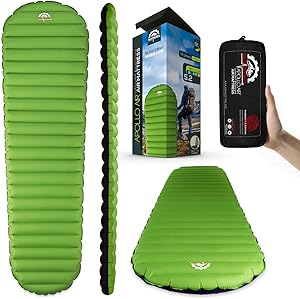
- R-Value: 5.2
- Packed Size & Weight: 8.5″ x 3″ pack; pump sack weight ~3 oz
- Inflated Size & Thickness: 72.8″ x 22″ max; 3.2″ thick
- Fabric: 40D nylon with E-LAST coating; 4 repair kits included
The ApolloAir is a practical, performance-focused inflatable that emphasizes fast setup and strong durability. It inflates in under two minutes with the pump sack and the valve system accepts an electric adapter if you prefer. The 3.2-inch cushion and horizontal insulated chambers offer steady support for a restful night and better resistance to bottoming out than thinner pads.
Materials and extras are geared toward reliable long-term use: hexagon-shield nylon and multiple repair kits show an attention to field serviceability. A 5.2 R-value is solid for three-season and mild winter use, and the broad compatibility for pumps adds convenience. For value-conscious backpackers and campers wanting a midweight insulated pad with quick inflation, the ApolloAir delivers a sensible mix of comfort, durability, and portability.
- Pros: Fast inflation, durable fabric, compact pack.
- Cons: R-value not top-tier for extreme cold; marketing copy can be exuberant about features.
See the Gear Doctors ApolloAir
8. ATEPA ThermAir

- R-Value & Temp: 6.0; rated to -4°F (-20°C)
- Weight & Packed: 0.7 kg (1.54 lbs); 23 x 11 x 11 cm folded
- Thickness & Construction: 9 cm (3.5″) I-beam; 7-layer aluminum insulation
- Material & Valve: 20D nylon with TPU; two-in-one valve; pump sack included
The ATEPA ThermAir is purpose-built, cheap sleeping pad for ultralight backpackers who still need winter-worthy insulation. At just 1.54 pounds it’s impressively light for a pad with a 6.0 R-value and a 3.5-inch cushion. The 7-layer heat-locking construction and reflective layers are effective at retaining warmth, and the relatively thick I-beam design provides a stable sleeping surface that resists sagging under load.
The dual-mode valve is user-friendly: a single-layer opening for one-way inflation and both layers for quick deflation streamlines camp chores. Durability is reasonable for the weight class, and the included emergency pump sack is a welcome addition. If you want the best compromise between low pack weight and genuine cold-weather protection, the ThermAir is an excellent contender.
- Pros: Excellent warmth-to-weight, quick valve system, compact pack size.
- Cons: Narrower width than some pads; ultra-light materials need cautious use around rough ground.
9. Wevelel Memory Sleeping Pad

- Foam Density: 50D memory foam
- Inflated Size & Thickness: 77″ x 27″ x 3.1″
- R-Value: 9.5 (ASTM tested)
- Weight & Capacity: 6.59 lbs; supports up to 800 lbs
The Wevelel Memory Sleeping Pad reads more like a luxury car-camping mattress than a minimalist pad. It uses high-density 50D memory foam to deliver deep cushioning and pressure relief that’s rare in camp pads. With an R-value of 9.5 it’s exceptionally warm and suited to very cold environments or for campers who want a reliable, hotel-like feel at their campsite. The thick foam eliminates most concerns about rocks and roots.
Self-inflation is rapid thanks to resilient foam and the revised valve system improves storage ease. This pad is heavy and bulky compared with backpacking options, so it’s best reserved for car camping or guest accommodation. For anyone prioritizing overnight comfort, insulation, and a stable sleeping platform, the Wevelel offers an unbeatable plush experience but at the cost of portability.
- Pros: Exceptional insulation & comfort, very durable, massive weight capacity.
- Cons: Heavy and bulky; overkill for long backpacking trips.
See the Wevelel Memory Sleeping Pad
10. Elegear Self Inflating Sleeping Pad
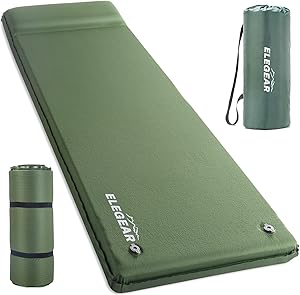
- Foam Density: 26D Hi-Tech memory foam
- Inflated Size & Thickness: 77″ x 27″ x 3.15″
- R-Value: 9.5 (ASTM tested)
- Weight: ~8.1 lbs; tested to 800 lbs static pressure
The Elegear self-inflating pad targets campers who want a mattress-like night outdoors. With 26D memory foam and a robust 3.15-inch thickness, it offers impressive cushioning and pressure relief. The very high R-value of 9.5 positions it for true four-season use and keeps ground chill at bay even in frigid conditions. Rapid self-inflation and an upgraded valve system make setup quick and storage more manageable than older foam pads.
Because of its size and weight this pad is most comfortable for car camping, guest use, or campsite glamping rather than backpacking. The knit stretch fabric top is quiet and skin-friendly, and build quality appears solid for repeated heavy use. If you want a top-tier insulated pad for comfort and warmth and don’t mind the extra bulk, the Elegear delivers a restful, reliable night’s sleep.
- Pros: Extremely warm, thick cushioning, durable materials.
- Cons: Heavy and large when packed; not suitable for weight-conscious hikers.
See the Elegear Self Inflating Sleeping Pad
How to Choose a Budget Winter Sleeping Pad?

When temperatures drop, your sleeping system becomes your first line of defense against the cold. While most campers focus on sleeping bags and insulation layers, a good winter sleeping pad is just as important—if not more so. It not only provides comfort, but also acts as a thermal barrier between your body and the freezing ground. If you’re planning to camp in snow, frost, or sub-zero conditions, choosing the right sleeping pad could make or break your trip.
This guide will help you understand what makes a sleeping pad suitable for winter use and how to choose one that fits your needs, budget, and backpack.
1. Why You Need a Winter Sleeping Pad
In cold conditions, the ground pulls heat away from your body far more efficiently than the air. Even with a high-end sleeping bag, you can still freeze if your pad doesn’t insulate well. A winter sleeping pad traps body heat, prevents cold spots, and provides a warm, stable base for a restful night’s sleep. Without proper insulation from the ground, you risk hypothermia, disrupted sleep, or discomfort that could affect your performance the next day.
2. Understanding R-Value
The R-value is the most important specification when choosing a winter sleeping pad. It measures the pad’s thermal resistance—or how well it prevents heat loss to the ground.
-
R-Value 1–2: Suitable only for warm summer nights
-
R-Value 2–4: Good for spring and fall
-
R-Value 4–5.5: Cold-weather capable
-
R-Value 5.5+: Essential for winter camping and sub-zero temps
For winter trips, look for pads with an R-value of 5.5 or higher. Some high-end pads like the Therm-a-Rest XTherm NXT or NEMO Tensor Extreme Conditions have R-values above 7, offering insulation even in extreme alpine environments.
3. Types of Winter Sleeping Pads
There are three main types of sleeping pads, each with advantages and limitations in cold weather:
a. Foam Pads (Closed-Cell Foam)
-
Pros: Durable, inexpensive, lightweight, no inflation needed
-
Cons: Less comfortable, lower R-value, bulky
-
Winter Use: Best as an extra layer beneath an inflatable pad to boost insulation
b. Self-Inflating Pads
-
Pros: Good insulation, easy to use, more comfortable than foam
-
Cons: Heavier, bulky when packed
-
Winter Use: A good option for car camping or basecamp trips where weight isn’t an issue
c. Air Pads with Insulation
-
Pros: Ultralight, compact, very warm with high R-values
-
Cons: Expensive, can puncture, needs inflation
-
Winter Use: Best choice for backpacking and serious cold-weather camping
4. Insulation Technologies
Winter air pads achieve warmth with advanced insulation:
-
Thermal Films: Reflective layers (like Therm-a-Rest’s ThermaCapture or NEMO’s Thermal Mirror) reflect body heat back
-
Synthetic Insulation: Traps air and provides warmth without bulk
-
Down Insulation: Extremely warm and lightweight, used in high-end pads (like Exped Ultra 7R)
Some pads combine multiple layers and baffle designs to maximize warmth without sacrificing weight.
5. Pad Thickness and Comfort
In winter, pad thickness affects more than comfort. Thicker pads lift you farther off the cold ground and reduce pressure points, especially for side sleepers. Look for a pad with at least 3 inches of thickness if you want good insulation and comfort. Popular choices like the NEMO Tensor and Hikenture UL R7 offer 3.5–4 inches of loft with stable support.
Pay attention to baffle design too:
-
Horizontal baffles feel flatter and are better for restless sleepers
-
Vertical baffles can help keep you centered
-
Body-mapped zones offer support where it’s needed most
6. Weight and Packability
If you’re hiking or mountaineering in winter, every gram counts. The best winter pads are lightweight yet thermally efficient. A pad with a high warmth-to-weight ratio is ideal.
Some ultralight winter pads weigh under 1.5 pounds but offer insulation above R-7. These are great for fast-and-light alpine missions or backcountry camping. If you’re car camping, you can go for a bulkier pad with more cushion and durability.
7. Durability and Materials
Winter terrain can be rough—frozen rocks, twigs, and snow crust can damage pads. Choose a sleeping pad with:
-
Ripstop nylon (20D–70D): Durable and tear-resistant
-
TPU coatings: Improve water resistance and longevity
-
Multi-layer construction: Protects insulation and helps prevent leaks
It’s also wise to carry a repair kit in case of punctures, especially with air pads.
8. Inflation and Deflation Features
Cold weather makes inflating pads with your mouth uncomfortable and risky—moisture inside can freeze. Look for:
-
Pump sacks: Save breath and prevent moisture buildup
-
One-way valves: Prevent air from escaping during inflation
-
Micro-adjustable valves: Let you fine-tune firmness even when lying down
Pads like the Exped Ultra 7R and Therm-a-Rest XTherm NXT come with user-friendly valve systems and high-volume pump sacks.
9. Size and Shape
Make sure your pad matches your sleeping style:
-
Regular size is usually around 72″ x 20″
-
Long/wide versions offer more room for side sleepers or larger bodies
-
Mummy-shaped pads are lighter but may feel cramped
-
Rectangular pads are roomier and more comfortable but heavier
For winter, many campers prefer a slightly wider pad to stay fully off the cold ground—even if it adds weight.
10. Bonus Tips for Winter Use
-
Double Up: Use a closed-cell foam pad under your inflatable for extra insulation and protection.
-
Avoid Inflating by Mouth: Moisture can freeze inside, damaging the pad.
-
Check the Ground: Clear snow or rocks before setting up to reduce heat loss and damage risk.
-
Store Properly: Always dry and unroll pads at home after use to prevent mildew or material breakdown.
Final Thoughts
A good affordable cold-weather sleeping pad isn’t just a luxury—it’s essential for safety and comfort in cold-weather adventures. With so many excellent options available, you don’t have to suffer a cold, uncomfortable night. By focusing on R-value, weight, durability, and comfort, you can find the right pad for your trip—whether you’re heading out for a snowy weekend hike or a serious winter expedition.
Invest wisely, and your sleeping pad will become one of the most valued pieces of gear in your cold-weather kit.