
Best Merino Wool Base Layers of 2026
If you love hiking, skiing, or just staying warm outside, a good base layer is key. Merino wool is a fantastic choice because it keeps you warm, dry, and comfortable. Unlike other fabrics, it doesn’t itch and resists odors naturally. But with so many options, finding the right one can be tough. In this article, we’ll look at the best merino wool base layers to help you pick the perfect match for your next adventure.
1. Smartwool Classic Thermal Top

- Shirt Type: T-shirt
- Fabric: Merino wool
- Moisture Wicking: Yes
- Underwear Weight: Midweight
The Smartwool Classic Thermal Merino Crew base layer top is made from premium merino wool, a material that naturally regulates your body temperature so you stay warm without overheating while hiking, skiing, or enjoying other cold-weather activities. The midweight construction offers a reliable balance between insulation and breathability, making it a versatile choice for layering under a jacket or wearing on its own during active pursuits. The long sleeve design provides extra coverage for your arms, and the fabric wicks moisture away from your skin to help you stay dry and comfortable throughout the day. Whether you are heading out for a winter trail or a day on the slopes, this top is built to keep up with your movement.
One of the standout features of this base layer is its ability to resist odors, which means you can wear it multiple times between washes without worrying about unpleasant smells. The merino wool also feels soft against the skin, reducing the itch that is sometimes associated with traditional wool garments. The crew neckline sits comfortably under other layers, and the flatlock seams help prevent chafing during long periods of wear. For anyone who spends time outdoors in cold conditions, the Smartwool Classic Thermal Merino Crew offers dependable performance and lasting comfort. It is a solid investment for those who value natural fibers and thoughtful design.
- Pros: Excellent temperature regulation, naturally odor-resistant, soft and non-itchy.
- Cons: Higher price point, may require special care when washing.
View Men’s at REI View Women’s at REI
2. Merino.tech Base Layer

- Shirt Type: T-shirt
- Fabric: 100% Superfine 17.5 Micron Merino Wool
- Moisture Wicking: Yes
- Underwear Weight: Heavyweight (320 g/m²)
The Merino.tech Base Layer is a heavyweight option designed for men who need serious warmth without sacrificing comfort. Made from 100% superfine 17.5 micron merino wool, this top provides all-day softness and eliminates the itch that can come with lower-quality wool. The 320 g/m² fabric weight places it in the heavyweight category, making it ideal for very cold conditions or low-intensity activities where maximum insulation is needed. The natural wicking properties of merino wool allow it to absorb moisture better than synthetic fabrics, keeping you dry and fresh even when you work up a sweat. The package also includes a pair of Merino Wool Hiking Socks, adding extra value right out of the box.
Beyond warmth, this base layer is designed for daily wear. It resists odors naturally, so you can pack light on trips and wear it multiple times without worrying about smell. The fabric is breathable enough to prevent overheating, and it regulates body temperature to keep you comfortable all year round. Care is relatively easy since it is washer safe, though hand washing and laying flat to air dry will extend the life of the garment. The Merino.tech Promise backs every purchase, ensuring satisfaction. For those who want a reliable, high-performance merino base layer at a competitive price, this is a strong contender.
- Pros: Very warm heavyweight fabric, includes free wool socks, super soft and non-itchy.
- Cons: Hand washing recommended for best longevity, too warm for high-output activities.
View Men’s at Amazon View Women’s at Amazon
3. Merino.tech Base Layer Set

- Shirt Type: T-shirt
- Fabric: 100% Superfine 17.5 Micron Merino Wool
- Moisture Wicking: Yes
- Underwear Weight: Midweight (250 g/m²)
The Merino.tech Base Layer Set offers a complete midweight solution for cold-weather layering, including both a long-sleeve top and matching long johns, plus a free pair of Merino Wool Hiking Socks. The 250 g/m² fabric weight hits the sweet spot for versatility, providing enough insulation for chilly days while remaining breathable enough for active pursuits like hiking or skiing. The 100% superfine 17.5 micron merino wool feels incredibly soft against the skin and prevents the itching and bunching that can occur with ordinary cotton long underwear. The set is designed for daily wear, whether you are layering up for outdoor work or enjoying winter recreation.
Natural moisture-wicking and odor-resistant properties keep you dry and fresh, even during extended wear. The merino wool regulates body temperature, helping you stay comfortable across different activity levels and weather conditions. For best results, hand washing and laying flat to air dry are recommended to preserve the fabric’s performance and longevity. The included socks add immediate value, and the cool packaging makes this set a great gift option. Backed by the Merino.tech Promise, this set delivers reliable quality and comfort. It is an excellent choice for anyone who wants a coordinated base layer system without hunting for separate pieces.
- Pros: Complete set with top and bottoms, includes free wool socks, midweight versatility.
- Cons: Hand wash recommended, sizing may run slightly large.
View Men’s at Amazon View Women’s at Amazon
4. REI Co-op Merino 185 Crew

- Shirt Type: T-shirt
- Fabric: 100% merino wool
- Sun-Protective Fabric: Yes
- Underwear Weight: Lightweight
The REI Co-op Merino 185 Crew is a lightweight base layer top that punches above its weight class. Made from 100% merino wool, it offers natural odor resistance and resists pilling, so it stays looking and smelling fresh even after repeated wear. The ultrafine wool feels soft and smooth against the skin, and the flat seams are designed to eliminate chafing, making this top comfortable enough for all-day adventures. With a UPF 30 rating, it also provides sun protection for exposed skin, which is a nice bonus for high-altitude hikes or spring skiing. The lightweight construction makes it an excellent choice for layering under heavier midlayers or wearing alone in milder conditions.
Breathability is a key strength here. The merino wool allows excess heat and moisture to escape, helping you stay dry and comfortable whether you are moving fast or taking it easy. Quick-drying properties mean that even if you sweat heavily, the fabric will dry out fast and keep you from getting chilled. The crew neckline is classic and versatile, fitting well under other garments without bunching. For those who want a no-frills, high-quality merino base layer from a trusted brand, the REI Co-op Merino 185 Crew is a smart pick. It balances performance, comfort, and value in a way that few other lightweight merino tops can match.
- Pros: Lightweight and breathable, UPF 30 sun protection, flat seams prevent chafing.
- Cons: Less warm than midweight or heavyweight options.
View Men’s at REI View Women’s at REI
5. Icebreaker Merino 200 Oasis

- Shirt Type: T-shirt
- Fabric: Merino wool
- Sun-Protective Fabric: Yes
- UPF Rating: 20
The Icebreaker Merino 200 Oasis Long-Sleeve Crewe Thermal Top is a midweight base layer built for cold-weather adventures. One of its most thoughtful design features is the offset shoulder seams, which are positioned to prevent irritation from heavy backpack straps. This makes it an excellent choice for hikers, mountaineers, or anyone who carries a pack for long distances. The 200 g/m² merino wool fabric provides reliable insulation while remaining breathable, and it naturally resists odors so you can wear it multiple times between washes. The UPF 20 rating offers a modest level of sun protection, adding value for daytime outdoor activities.
Moisture-wicking and quick-drying properties work together to keep you dry and comfortable, even when you are sweating on a steep ascent. The merino wool regulates temperature effectively, helping you avoid the chill that can happen when synthetic fabrics get wet. The crew neckline is simple and functional, and the long sleeves provide full coverage. Icebreaker is known for its high-quality merino garments, and the 200 Oasis lives up to that reputation. It is a dependable, comfortable base layer that performs well across a range of cold-weather pursuits, from skiing to winter hiking. The offset seams are a small detail that makes a big difference in comfort.
- Pros: Offset shoulder seams prevent pack strap irritation, odor-resistant.
- Cons: Higher price than some competitors, UPF 20 is relatively low.
View Men’s at REI View Women’s at REI
6. REI Co-op Merino 185 Half-Zip

- Shirt Type: Partial-zip
- Fabric: 100% merino wool
- Sun-Protective Fabric: Yes
- UPF Rating: 30
The REI Co-op Merino 185 Half-Zip is a lightweight base layer top that adds versatility to your layering system thanks to its partial-zip design. Made from 100% merino wool, it shares the same breathable, odor-resistant, and pill-resistant qualities as the crew version, but the half-zip allows you to dump heat quickly when you are working hard. The ultrafine wool feels soft against the skin, and the flat seams are comfortable even during extended wear. With a UPF 30 rating, it offers solid sun protection for exposed skin. This top is ideal for activities where your output varies, like ski touring or brisk hiking, because you can easily adjust ventilation without removing layers.
Quick-drying and moisture-wicking properties keep you dry and comfortable, while the natural temperature regulation of merino wool helps you stay warm without overheating. The lightweight construction makes it easy to layer under a midlayer or shell, and the half-zip collar provides extra coverage for your neck when zipped up. REI Co-op has delivered a well-rounded base layer that balances performance and value. Whether you are heading out for a cold-weather run or a day of resort skiing, the Merino 185 Half-Zip is a functional and comfortable choice. The zip adds practicality that many base layers lack.
- Pros: Half-zip allows easy ventilation, lightweight and breathable, UPF 30 sun protection.
- Cons: Lightweight fabric may not be warm enough for extreme cold.
View Men’s at REI View Women’s at REI
7. Icebreaker Merino 260 Tech

- Shirt Type: T-shirt
- Fabric: Merino wool
- Sun-Protective Fabric: Yes
- Moisture Wicking: Yes
The Icebreaker Merino 260 Tech Long-Sleeve Crewe Thermal Top is a heavyweight base layer designed for serious cold-weather layering. Whether you are scoring a powder day on the mountain or enjoying a quiet winter hike, the 260 g/m² merino wool fabric provides substantial insulation without feeling bulky. The natural properties of merino wool regulate temperature, wick moisture, and resist odors, making this top a reliable foundation for any cold-weather outfit. The UPF 35 rating offers good sun protection, which is useful for high-altitude adventures where UV exposure is stronger. The long sleeves and crew neckline provide full coverage and a classic fit that layers well under other garments.
Quick-drying performance ensures that even if you sweat during high-output activities, the fabric will dry fast and help prevent post-exercise chills. The merino wool feels soft and comfortable against the skin, and the construction is durable enough to withstand regular use. Icebreaker’s attention to detail is evident in the fit and finish of this top. It is an excellent choice for skiers, snowboarders, winter hikers, or anyone who spends time in cold conditions and wants a base layer that performs. The 260 Tech is warmer than midweight options, making it ideal for frigid days or lower-intensity activities where maximum warmth is the priority.
- Pros: Heavyweight warmth for cold conditions, UPF 35 sun protection.
- Cons: Expensive, may be too warm for high-output activities.
View Men’s at REI View Women’s at REI
8. REI Co-op Merino 250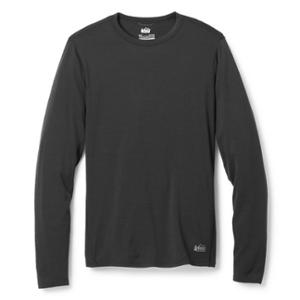
- Shirt Type: T-shirt
- Fabric: 100% merino wool
- Sun-Protective Fabric: Yes
- UPF Rating: 50+
The REI Co-op Merino 250 Long-Sleeve Crew Base Layer Top is the warmest merino base layer in REI’s lineup, made from 100% merino wool with a heavyweight 250 g/m² construction. It is designed for cold-weather adventures where maximum insulation is needed, whether you are snowshoeing, winter camping, or working outside in low temperatures. The supersoft merino wool feels comfortable against the skin and naturally resists odors, so you can wear it multiple times between washes. With a UPF 50+ rating, it offers excellent sun protection, which is a significant bonus for snowy environments where UV rays reflect off the snow. The crew neckline and long sleeves provide full coverage and a classic fit.
This base layer wicks sweat effectively and dries fast, helping you stay dry and comfortable even during active use. The heavyweight fabric provides substantial warmth without the bulk of synthetic alternatives, and the natural temperature regulation of merino wool helps prevent overheating when you are moving. For those who want a dependable, warm, and comfortable base layer from a trusted brand, the REI Co-op Merino 250 is an excellent choice. It is built to handle the coldest conditions and offers great value for a heavyweight merino garment. Whether you are layering for a ski day or a winter hike, this top delivers reliable performance.
- Pros: Heavyweight warmth, UPF 50+ sun protection, odor-resistant and quick-drying.
- Cons: May be too warm for active pursuits, hand washing recommended.
View Men’s at REI View Women’s at REI
How to Choose Merino Wool Base Layers
A base layer is the foundation of any outdoor layering system. Its job is simple but critical: move sweat away from your skin so you stay dry, warm, and comfortable. Wear the wrong one, and you’ll know within the hour—a cotton T-shirt turns damp and stays that way, pulling heat straight off your skin once you stop moving. Merino wool has become a popular choice for this role because it offers something synthetics struggle to match: natural temperature regulation, odor resistance, and comfort across a wide range of conditions. But not all merino base layers are created equal. The weight, fit, fabric blend, and features all matter, and choosing well means matching the garment to how and where you’ll use it.
Why Choose Merino Wool?
Merino wool comes from a specific breed of sheep known for producing exceptionally fine fibers, typically under 20 microns. That fineness is why merino doesn’t itch the way traditional wool garments might. But the real performance advantage lies in how the fiber behaves.
Merino wool can absorb a significant amount of moisture vapor before it feels wet, which means it manages sweat effectively without that cold, clammy sensation you get from cotton or some synthetics. It also continues to insulate even when damp, a property that matters enormously if you get caught in rain or work up a heavy sweat in cold conditions.
Perhaps the most practical benefit for multi-day trips is odor resistance. Merino’s natural antibacterial properties mean you can wear a base layer for several days without it developing the funk that plagues synthetic fabrics. For a week-long ski trip or a backpacking adventure where washing isn’t an option, that’s a genuine game-changer.
Merino isn’t perfect, though. It typically costs more than synthetic alternatives, and it dries more slowly. It’s also more delicate—100% merino base layers can be prone to wear and tear if you’re hard on your gear. Some people also find they simply prefer the faster wicking and quicker drying of synthetics for high-output activities like running or fast hiking.
Understanding Fabric Weight
Weight is the single most important specification when choosing a merino base layer. It’s measured in grams per square meter (gsm), and it determines how warm the garment will be and what conditions it’s suited for.
Lightweight (150–200 gsm)
Lightweight merino is ideal for milder conditions, high-intensity activities, and summer use. A 150 gsm top works well for spring skiing, cool summer evenings, or any time you expect to build up heat quickly. These layers prioritize breathability and moisture management over insulation. A 165 gsm merino top, for example, breathes phenomenally well and doesn’t hold onto too much perspiration when you’re working hard. If you run warm or tend to sweat heavily, lightweight merino is often the smarter choice than reaching for something thicker.
Midweight (200–250 gsm)
Midweight is the versatile middle ground that covers a lot of territory. A 250 gsm layer is the classic choice for cold-weather activities like winter skiing or slower-paced winter hiking. It provides noticeably more warmth than lightweight without the bulk of a heavyweight option. For many people, a single midweight merino top becomes the workhorse of their winter layering system—warm enough for most cold days under a shell, but not so thick that it becomes uncomfortable during moderate exertion.
Heavyweight (250+ gsm)
Heavyweight merino is for proper cold: frosty mornings, winter sports, and situations where warmth matters more than keeping things light. A 340 gsm layer is designed for temperatures below -5°C and provides substantial insulation. These layers are typically worn for lower-output activities or when you’ll be stationary for extended periods—think belaying, hunting, or winter camping. The trade-off is bulk and reduced breathability compared to lighter weights.
| Weight | Typical gsm | Best For |
|---|---|---|
| Lightweight | 150–200 | Mild weather, high-output activities, summer use |
| Midweight | 200–250 | Most winter conditions, versatile all-around use |
| Heavyweight | 250+ | Extreme cold, low-exertion activities, winter sports |
Merino vs. Blends
Not every “merino” base layer is 100% wool. Many brands blend merino with synthetic fibers like polyester, nylon, or elastane, and the reasons for doing so are worth understanding.
Pure 100% merino offers the full benefit of the fiber’s natural properties: maximum odor resistance, excellent temperature regulation, and that soft, non-itch feel. It’s the purest expression of what merino can do. The downside is durability and cost. Pure merino can be delicate, and it’s expensive to produce.
Blends aim to address those weaknesses. Adding nylon or polyester improves durability and helps the garment hold its shape over time. Elastane adds stretch for a closer, more comfortable fit. A merino-polyester blend can offer much of merino’s comfort and odor resistance alongside synthetic’s faster drying and greater durability. For high-intensity activities where you’re sweating heavily and washing frequently, a blend might actually serve you better than pure merino.
The right choice depends on your priorities. If odor resistance and next-to-skin comfort are paramount—say, for a multi-day trek—100% merino is hard to beat. If you need something that can take a beating and dry quickly between uses, a blend may be the more practical option.
Fit Matters More Than You Think
A merino base layer needs to sit close to the skin without restricting movement. This isn’t just a style preference—it’s functional. Moisture wicking only works efficiently when the fabric actually touches your skin. A loose fit leaves gaps that slow the whole process down, and you end up feeling clammy despite wearing a technically excellent garment.
But too tight is also a problem. A base layer that restricts movement or digs in under a pack’s hip belt or a climbing harness will make you miserable, no matter how well it wicks. The goal is a snug, second-skin fit that moves with you.
When trying on a merino base layer, wear it with the rest of what you’ll actually have on—mid layer and shell included. A base layer that feels perfect on its own might bunch or bind once you add insulation over it. Pay attention to sleeve length (you want full coverage without excess fabric bunching at the wrists) and torso length (it should tuck into your pants without riding up).
For women, some brands offer specific fits. Some distinguish between “Slim” (next-to-skin) and “Fitted” (close but with slightly more room for movement), and sizing up is an option if you prefer a less compressive feel.
Neck Style and Features
Small design choices can make a big difference in how a base layer performs across changing conditions.
- Crew neck: The simplest option. No zippers or extra fabric to manage. Good for milder conditions or when you’ll be wearing a separate neck gaiter.
- Zip neck (quarter or half zip): Adds ventilation you can adjust on the move. Unzip on a climb to dump heat without removing a layer; zip up on a windy summit or a cold descent. This is one of the most practical features for variable conditions.
- Long sleeve vs. short sleeve: Long sleeves provide more warmth and sun protection, and they layer cleanly under fleece or shell. Short sleeves suit warm conditions or high-output activities where you’ll be pushing sleeves up anyway.
- Thumb loops: Some long-sleeve layers include thumb loops to keep sleeves in place and add a bit of hand warmth. They’re a nice touch if you wear gloves frequently, but not essential.
Do You Need Bottoms?
Base layer bottoms do the same job as a top—managing moisture and holding warmth against the legs—and they matter more than they might seem to on cold or long days. A merino top under a jacket with bare legs under trousers leaves half the job undone.
For high-output activity in mild conditions, a top alone is often enough. But for skiing, winter walking, or any day where you’ll be standing still in the cold at some point, merino bottoms are worth adding, particularly under waterproof trousers or salopettes where they add warmth without bulk.
Fit for bottoms follows the same principle as tops: close to the skin without being restrictive. They should reach down to your boots and sit comfortably without bunching at the knees or waist.
Caring for Your Merino Base Layer
Merino is durable but sensitive to heat and friction. Proper care will significantly extend the life of your base layer, which matters given the investment.
The good news is that merino’s odor resistance means you don’t need to wash it after every wear. Washing merino base layers after three or four days of active use, or when you notice odors, is a good rule of thumb. Letting garments air out overnight between wears helps keep them fresh.
When it’s time to wash, cold water is your friend. Heat is the fastest way to damage fine merino fibers, causing shrinkage and pilling. Use a mild detergent or wool-specific wash—never bleach or fabric softener, which can break down fibers and reduce wicking performance. A gentle machine cycle is fine for many merino blends, but handwashing is the safest option if you’re concerned about durability.
Dry flat or hang to dry. Tumble drying on low heat is possible for some garments, but air drying is gentler and helps preserve shape. Avoid wringing or twisting the fabric when wet.
Pilling can occur with wear and washing, especially on merino blends. A fabric comb or pill shaver can remove pills without damaging the garment.
Matching Merino to Your Activity
The “best” merino base layer depends entirely on what you’re doing. A layer that’s perfect for a winter summit push might be miserable on a summer trail run, and vice versa.
For high-output activities—running, fast hiking, ski touring—you want a lightweight merino layer that prioritizes breathability and moisture management. You’ll be generating a lot of heat, and you need the fabric to keep up. A 150–165 gsm layer is ideal here.
For moderate-output winter activities—resort skiing, winter hiking, snowshoeing—a midweight 250 gsm layer hits the sweet spot. It provides warmth without overheating during exertion.
For low-output cold-weather use—hunting, winter camping, belaying—you can go heavier. A 250–340 gsm layer will keep you warm when you’re not generating much body heat.
And for travel or everyday wear, a lightweight merino T-shirt or long sleeve can work across an impressively wide range of conditions. It breathes when it’s warm, insulates when it’s cool, and resists odor over multiple wears.
Final Thoughts
Choosing a merino wool base layer comes down to matching three things: weight to conditions, fit to your body, and fabric composition to your priorities. Get those right, and you’ll have a garment that keeps you comfortable across a surprising range of conditions—one that you can wear for days without it stinking, that regulates temperature rather than just trapping heat, and that feels good against your skin.
The upfront cost of quality merino is real, but so is the performance. Treated well, a good merino base layer will serve you for years of adventures. Start with the weight that matches most of what you do, get the fit right, and build from there.