Best Snowshoeing Backpacks of 2025
Snowshoeing is one of the best ways to explore winter trails, but having the right backpack can make or break your adventure. A good backpack is more than just storage; it helps carry your gear comfortably, keeps essentials within reach, and provides stability on snowy terrain. From carrying water, snacks, and extra layers to securing your snowshoes when not in use, the right pack makes your trip smoother and safer. With so many options available, choosing the best one can feel overwhelming. In this guide, we’ll highlight the best snowshoeing backpacks to keep you prepared, comfortable, and ready for any snowy adventure.
1. MSR Snowshoe Carry Pack
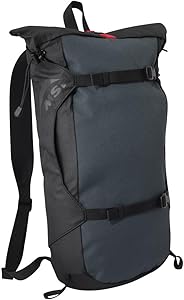
- Capacity: 19 liters
- Weight: 15 oz (438 g)
- Features: Hydration compatible, removable foam seat, internal zippered pocket, and pole attachments
- Warranty: 3-year limited warranty
The MSR Snowshoe Carry Pack is an excellent choice for winter adventurers looking for a dual-purpose pack. It’s designed to carry your snowshoes and poles, but it also functions as a daypack for essentials like extra layers, water, and snacks. The materials are durable and abrasion-resistant, so you don’t have to worry about your snowshoes damaging the pack, whether you’re carrying them inside or strapped to the exterior.
One of the standout features is the wide-mouth roll-top closure, which makes it easy to quickly access your gear, even with gloves on. The pack is also hydration-compatible, a must-have for any active pursuit. The inclusion of a removable foam seat is a thoughtful touch for taking a break in the snow. While it’s specifically made for snowshoeing, its rugged construction and functional design make it a versatile pack for other winter activities as well.
Pros:
- Durable, abrasion-resistant material
- Roll-top closure for easy access
- Versatile as both a carry pack and daypack
Cons:
- Limited capacity for multi-day trips
- Specific design may not suit all-season use
See the MSR Snowshoe Carry Pack
2. G4Free 35L Hiking Backpack

- Capacity: 35 liters
- Weight: 2.14 lbs
- Pockets: 1 main, 1 front, 1 middle, 2 side, 2 waist strap pockets
- Features: Included rain cover, hydration compatible
The G4Free 35L Hiking Backpack is a versatile pack that’s suitable for various activities, from hiking and camping to travel and daily use. With its 35L capacity, it’s spacious enough for a few days’ worth of essentials while still meeting the size requirements for most airlines. The backpack’s design focuses on organization, featuring multiple compartments and pockets, including handy waist strap pockets for quick access to smaller items.
Comfort is a key consideration with this pack. The ergonomic design includes breathable mesh shoulder straps with sponge padding to help relieve shoulder stress. The back panel features an air circulation design that provides ventilation, and the hip belts help distribute weight from your back to your hips and legs, making it more comfortable to carry a full load. It also comes with a rain cover stored in a bottom zipper pocket, which is a great feature for unexpected weather, and is compatible with a hydration bladder for easy access to water on the go.
Pros:
- Meets airline size requirements
- Numerous pockets for organization
- Ergonomic design for comfort
Cons:
- Not designed specifically for snowshoeing
- Water bladder is not included
See the G4Free 35L Hiking Backpack
3. FENGDONG 40L Pack
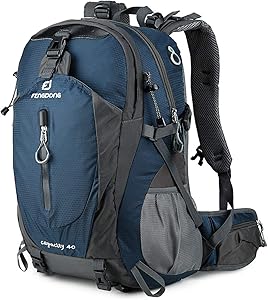
- Capacity: 40 liters
- Dimensions: 20.5 x 13 x 7.1 inches
- Weight: 1.9 lbs
- Material: Water-resistant, high-density polyester
The FENGDONG 40L Pack is a great option for day hikes, camping, and general travel. Made from a durable, water-resistant polyester material, it’s designed to withstand the wear and tear of outdoor activities. The pack features a multi-compartment design, including a main compartment, front zippered pocket, and two side pockets, providing ample space to keep your gear organized.
Comfort is a key aspect of this backpack, with its ventilated mesh padding on the shoulder straps and back. This breathable system helps keep you cool, even on warmer days or during strenuous activity. The lightweight design and collapsible feature—it can easily fold into its own pocket—make it incredibly convenient for storage or as an extra bag for trips. While it doesn’t have specific snowshoe attachments, its large capacity and comfortable design make it a versatile choice for a variety of outdoor pursuits.
Pros:
- Lightweight and packable
- Breathable mesh padding for comfort
- Water-resistant and durable material
Cons:
- No dedicated snowshoe or pole attachments
- Slightly less robust than a specialized winter pack
4. Bseash 50L Hiking Backpack
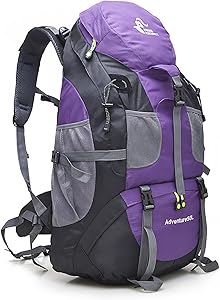
- Capacity: 50 liters
- Weight: 1.7 lbs
- Material: Water-resistant, ripstop polyester
- Features: Independent shoe compartment (on select colors)
The Bseash 50L Hiking Backpack is an excellent, lightweight option for multi-day trips. Its large capacity and multiple compartments provide plenty of space for all your gear, and the improved design on certain colors includes a separate shoe compartment, which is a practical feature for keeping dirty footwear away from the rest of your items. With four adjustable straps, you can easily attach larger gear like sleeping bags, hammocks, or tripods.
Comfort is a priority with this pack. The ergonomic padded shoulder straps and back support, combined with the S-type shoulder straps, help distribute weight and provide good ventilation, easing the burden on your body. The water-resistant nylon fabric and tear-resistant material offer peace of mind, protecting your belongings from light rain and wear. While it’s not a specialized snowshoe pack, its size and versatility make it a solid choice for winter hiking and other outdoor activities where a larger capacity is needed.
Pros:
- Very lightweight for its capacity
- Independent shoe compartment (on some models)
- Water-resistant and durable material
Cons:
- Lack of an internal/external frame
- Shoe compartment not available on all colors
See the Bseash 50L Hiking Backpack
5. ZOMAKE Lightweight Backpack
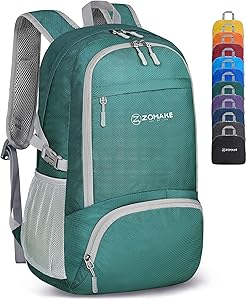
- Capacity: 30 liters
- Weight: 0.74 lbs
- Material: Water-resistant, tear-resistant nylon
- Features: Chest protection buckle with whistle, reflective strips
The ZOMAKE Lightweight Backpack is an incredibly convenient and portable option for a variety of uses, from quick day trips to shopping and travel. Its most notable feature is its packability, as it can easily fold down into a compact pocket, making it easy to store in a larger bag or suitcase. When unfolded, it offers a generous 30L capacity with multiple pockets for organizing essentials, including a main compartment, front bags, and side pockets.
Despite its lightweight and collapsible design, the pack doesn’t skimp on quality. It’s made from a durable, water-resistant nylon material with reinforced stitching and smooth, two-way SBS metal zippers. Safety features are also integrated into the design, such as a chest buckle with an emergency whistle and reflective elements for better visibility at night. While it may not be suitable for carrying heavy or bulky gear like snowshoes, it’s a perfect secondary pack or a minimalist daypack for light winter activities.
Pros:
- Extremely lightweight and packable
- Affordable and great for travel
- Integrated safety features like a whistle and reflectors
Cons:
- Not suitable for heavy loads or gear
- Water-resistance is limited (splash-proof, not fully waterproof)
See the ZOMAKE Lightweight Backpack
6. Lemuvlt Hiking Daypack

- Capacity: 15 liters
- Pockets: 5 zippered locations, 1 open pocket, 2 mesh side pockets
- Features: Insulated pocket, emergency whistle, reflective logo
- Hydration: Compatible with 3L bladder (not included)
The Lemuvlt Hiking Daypack is a compact and well-designed pack perfect for single-day activities like hiking, cycling, or skiing. Its 15L capacity is ideal for carrying just the essentials, and it comes with an insulated pocket to keep your water cool for up to four hours—a great feature for a range of climates. The pack has multiple zippered pockets, including two on the waist, to keep smaller items accessible and organized, plus an open pocket for a helmet and two side pockets for water bottles.
Comfort is a key highlight, with well-cushioned shoulder straps that distribute weight evenly and a honeycomb-textured back that allows for airflow to keep you cool. It also includes an emergency whistle on the chest strap and reflective elements for added safety. While it’s on the smaller side and not designed for carrying large items like snowshoes, it’s a fantastic lightweight option for those who want to carry a hydration bladder and a few basic essentials for a short winter outing.
Pros:
- Insulated pocket keeps water cool
- Lightweight and comfortable for day trips
- Reflective elements and whistle for safety
Cons:
- Too small for carrying snowshoes
- Only splash-proof, not fully waterproof
See the Lemuvlt Hiking Daypack
7. Bseash 40L Waterproof Backpack

- Capacity: 40 liters
- Dimensions: 20.9 x 13 x 7.9 inches
- Weight: 1.76 lbs
- Material: Water-resistant, rip-stop nylon fabric
The Bseash 40L Waterproof Backpack is a great choice for travelers and hikers who need a reliable, mid-sized pack. Its main compartments and multiple pockets make it easy to organize gear for a 3-4 day trip. A standout feature is the included rain cover, which, along with the water-resistant material, ensures your valuables stay dry even in heavy rain. The pack also has a designated interior pouch for a water bladder, making it hydration-compatible.
This backpack is designed with comfort in mind. The back is padded with breathable sponge and the shoulder straps are wide and padded, helping to relieve stress and providing a comfortable fit. Reflective stripes on the shoulder straps add a safety element for night travel. While it is a versatile pack, it doesn’t have a dedicated snowshoe or pole carry system, so you would need to use the elastic cord or side pockets to secure your gear.
Pros:
- Includes a dedicated rain cover
- Lightweight for a 40L pack
- Padded, breathable back and straps for comfort
Cons:
- No specific snowshoe carrying system
- Elastic cord may not be secure enough for some gear
See the Bseash 40L Waterproof Backpack
8. IX INOXTO Hiking Backpack

- Capacity: 35 liters
- Dimensions: 20.4 x 11.8 x 5.9 inches
- Material: Water-resistant, high-density polyester
- Features: Includes 3L leak-proof water bladder and rain cover
The IX INOXTO Hiking Backpack is an excellent choice for serious day hikers and campers. It comes with a high-quality 3L hydration bladder, saving you the extra purchase and ensuring you stay hydrated on the trail. The pack is also made from a durable, water-resistant polyester and includes a rain cover, so your gear stays dry no matter the weather. The multiple compartments and pockets, including a special bottom pocket with access to the main compartment, make organizing your gear a breeze.
A key selling point is the ergonomic design. It features a “3D touch suspension system” and a steel frame that helps to distribute weight evenly, reducing muscle soreness during long treks. The breathable mesh back reduces sweating and adds to the overall comfort. While it has dedicated straps for gear like trekking poles, it is not explicitly designed for carrying snowshoes, though you could likely secure them with the straps. This pack is a solid choice for those who value comfort and included accessories.
Pros:
- Comes with a high-quality 3L hydration bladder
- Excellent ergonomic and ventilated back system
- Includes a rain cover and is made from durable material
Cons:
- Not designed specifically for snowshoes
- Frame adds some weight and bulk
See the IX INOXTO Hiking Backpack
9. Bseash 60L Hiking Pack

- Capacity: 60 liters
- Weight: 2.4 lbs
- Material: Water-resistant, ripstop polyester
- Features: Separate shoe storage pouch, includes a rain cover
The Bseash 60L Hiking Pack is a great option for multi-day trips and backpacking adventures. With its spacious 60L capacity and multiple compartments, including a separate shoe storage pouch, it provides plenty of room to pack all your gear while keeping it organized. The pack is also incredibly lightweight for its size, which helps you carry more other items without adding unnecessary bulk.
Comfort is a key feature of this backpack, with its padded, S-type shoulder straps and breathable back panel that are designed to distribute weight and provide excellent ventilation. The pack includes eight adjustable straps for securing gear like sleeping bags, mats, and trekking poles, making it highly versatile for various outdoor activities. It’s also made from durable, water-resistant material and comes with an extra rain cover to protect your belongings from the elements. While not specifically for snowshoeing, its capacity and multiple straps make it a solid choice for winter excursions.
Pros:
- Very large capacity for extended trips
- Lightweight for its size
- Separate shoe pouch and included rain cover
Cons:
- No internal or external frame for support
- Straps may not be as secure for snowshoes as dedicated carriers
See the Bseash 60L Hiking Pack
10. FENGDONG 35L Backpack

- Capacity: 35 liters
- Weight: 0.78 lbs
- Material: Water-resistant, tear-resistant nylon fabric
- Features: Collapsible design, upgraded wet pocket
The FENGDONG 35L Backpack is a versatile and incredibly lightweight option that’s perfect for a wide range of activities, from day trips to camping and travel. Weighing less than a pound, its collapsible design allows it to fold into its own pocket for easy storage, making it a great emergency or extra bag. Despite its light weight, it’s made from durable, water and tear-resistant nylon with reinforced stitching, ensuring it can handle daily use.
A unique and humane feature is the upgraded wet pocket, which is a waterproof compartment for separating sweaty clothes or towels after a workout or swim. The pack also features multiple compartments to keep your gear organized, and the breathable mesh shoulder straps with padding make it comfortable to wear, even when carrying a full load. While it may not be suitable for heavy, specialized winter gear like snowshoes, it’s a practical and convenient backpack for lighter winter activities or as a secondary pack.
Pros:
- Extremely lightweight and packable
- Features a convenient wet pocket
- Durable and affordable
Cons:
- Not designed for carrying snowshoes
- Water-resistant, not fully waterproof
How to Choose a Snowshoeing Backpack?
Choosing the right snowshoeing backpack is crucial for a comfortable and enjoyable winter adventure. Unlike a regular hiking pack, a snowshoeing backpack has specific features that make it well-suited for the unique challenges of the cold, snowy environment. It needs to carry your gear, food, and water, but also must handle bulky items like snowshoes and trekking poles, and keep everything dry. A good pack will provide a comfortable fit, offer plenty of storage and organization, and be durable enough to withstand the elements.
Before you even start looking at packs, it’s important to consider your typical snowshoeing trip. Are you a day-tripper who sticks to groomed trails, or do you head out for multi-day backcountry excursions? Your answer will significantly influence the size and features you need. A short, easy hike on a clear day requires a much different pack than a multi-day trip in remote, snowy terrain. Understanding your needs is the first step to finding the perfect pack.
Pack Capacity and Sizing
One of the most important factors in choosing a snowshoeing backpack is its capacity, measured in liters. The right size depends entirely on the length and nature of your trips.
Day Trips (15-30 liters)
For a typical day hike, a pack in the 15-30 liter range is usually sufficient. This size is ideal for carrying the essential “10 essentials” of winter safety, plus extra layers, a thermos of hot cocoa, and snacks. These packs are lightweight and streamlined, making them easy to move with. Look for a pack on the higher end of this range if you need to carry a lot of extra clothing or if you’re on the trail for longer, colder days.
Overnight or Hut-to-Hut Trips (30-50 liters)
If your snowshoeing adventures include an overnight stay in a hut or cabin, you’ll need a larger pack in the 30-50 liter range. This size provides enough space for a sleeping bag, a change of clothes, and more substantial food supplies. If you’re staying in a place with limited amenities, you may need a pack on the larger end to accommodate a small cook stove and utensils.
Multi-Day Winter Backpacking (50+ liters)
For true multi-day winter camping, where you’ll be carrying a tent, sleeping system, food for several days, and cooking gear, a pack of 50 liters or more is necessary. Winter gear is bulkier and heavier than summer gear, so you’ll need more space to fit everything. Look for packs with external attachment points to lash on items that won’t fit inside, like a foam sleeping pad or a shovel.
Key Features for Snowshoeing Backpacks
Beyond capacity, several features are essential for a good snowshoeing pack. These specialized details can make or break your experience.
Snowshoe and Pole Carry Systems
This is perhaps the most important feature that sets a snowshoeing pack apart. When the trail is packed down or you’re on a snow-free section, you’ll want to stow your snowshoes on the pack. A dedicated snowshoe carry system, often a series of external straps or a pocket, allows you to securely attach your snowshoes to the exterior of the pack. This keeps the pointy crampons from tearing up your other gear inside the pack and frees up your hands. Similarly, look for attachments for trekking poles, which are often collapsible and can be strapped to the sides of the pack when not in use.
Material and Weather Resistance
Winter environments are wet. Your pack will be exposed to snow, ice, and slush, so a waterproof or highly water-resistant material is a must. Look for packs made from durable, abrasion-resistant fabrics like high-denier nylon or polyester with a PU (polyurethane) coating. Some packs come with a separate rain cover, which is a great addition, but a pack that’s inherently water-resistant is even better. This protects your gear from moisture, which is critical in cold temperatures to prevent your sleeping bag or extra clothes from getting wet and losing their insulating properties.
Access and Organization
Easy access is key when you’re wearing gloves or mittens. A wide-mouth opening or a roll-top closure makes it easy to get to your gear without having to fumble with a small zipper. Look for packs with multiple compartments and pockets to keep your items organized. An internal pocket for your keys and wallet, a dedicated pocket for your headlamp, and side pockets for water bottles or a thermos are all useful features. Some packs have a separate compartment for wet gear, which is a big plus for keeping a wet jacket away from your dry layers.
Comfort and Fit
Even a short snowshoe hike can feel like a workout, so a comfortable pack is non-negotiable.
Suspension and Frame
For smaller packs, a simple foam back panel is fine. For larger packs, especially those over 30 liters, a good suspension system and an internal frame are important. The frame helps distribute the weight of the pack across your hips and legs, rather than putting all the strain on your shoulders. A breathable back panel with mesh or channels allows air to circulate, which helps reduce sweating and keeps you more comfortable.
Shoulder and Hip Straps
Padded and adjustable shoulder straps are essential for a good fit. Look for a sternum strap that can be adjusted vertically to sit comfortably across your chest. A well-padded hip belt is crucial for transferring the weight to your hips, which are better equipped to carry a load than your shoulders. These straps should be adjustable and easy to tighten and loosen, even while wearing bulky winter clothing.
Additional Features to Consider
While not essential, these extra features can improve your snowshoeing experience.
Hydration Compatibility
Staying hydrated is just as important in the winter as in the summer. A hydration-compatible pack has a sleeve for a water bladder and a port for the drinking tube. If you go with a bladder system, remember that the tube can freeze in cold weather, so you may need an insulated tube cover. A thermos or a wide-mouth insulated bottle might be a better option for keeping liquids from freezing.
Glove-Friendly Zippers
Small zipper pulls can be impossible to use with thick gloves. Look for packs with large, easy-to-grab zipper pulls that you can operate with gloves on.
Accessory Loops
Accessory loops or daisy chains on the exterior of the pack can be useful for attaching extra gear like a GPS, compass, or a small first-aid kit, keeping them easily accessible.
In conclusion, the best snowshoeing backpack is the one that fits your body, matches your trip style, and has the features you need to stay comfortable and safe. By carefully considering capacity, key features, and comfort, you can select a pack that will be your trusted companion on many winter adventures to come.