Best Tents for Beginners of 2026
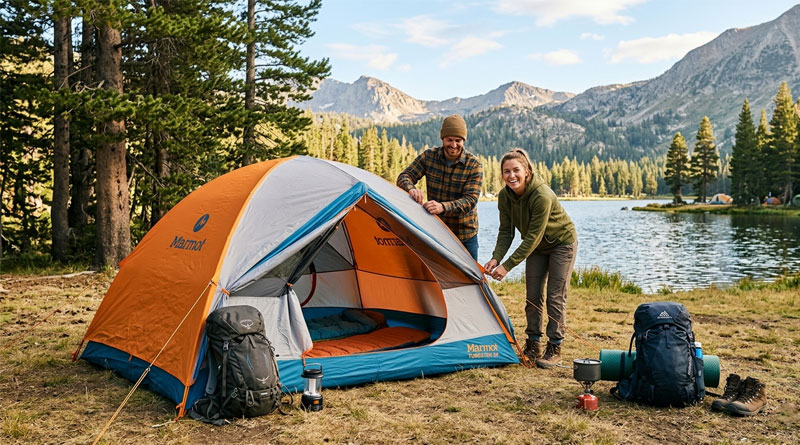
Picking your first tent can feel tricky, but it doesn’t have to be. Whether you’re camping in the backyard or heading to a local park, the right tent keeps you dry, comfy, and stress-free. This guide breaks down the best beginner-friendly tents—easy to set up, budget-smart, and perfect for first-timers. No fancy gear talk, just simple advice to help you sleep under the stars with confidence.
1. REI Co-op Trailmade 2

- Minimum Trail Weight: 4 lbs. 10 oz.
- Floor Dimensions: 88 x 52 inches
- Pole Material: 8.5mm Aluminum
- Footprint Included: Yes
The REI Co-op Trailmade 2 is an ideal gateway for those looking to explore backpacking without a steep learning curve. This 3-season shelter is engineered for simplicity, featuring a straightforward two-pole aluminum setup that remains sturdy in varying conditions. One of its most significant advantages is the inclusion of a fitted footprint, which safeguards the floor fabric and ensures the tent remains a reliable part of your gear collection for years.
Inside, the layout is thoughtfully designed to maximize comfort for two campers, offering a peak height of 40 inches and dual doors for easy access. The combination of 75-denier polyester taffeta and no-see-um mesh provides a balance of durability and breathability. Whether you are hitting a local trail or heading deep into the woods, this freestanding tent offers a spacious 31.8 square foot floor area to keep your adventure comfortable.
Pros: Includes a protective footprint, features high-quality aluminum poles, and offers dual-door convenience.
Cons: The packaged weight is slightly high for minimalist backpackers.
See the REI Co-op Trailmade 2 See the REI Co-op Trailmade 1
2. Kelty Wireless 2

- Sleeping Capacity: 2-person
- Floor Area: 30.2 square feet
- Number of Doors: 2 doors
- Pole Material: Fiberglass
The Kelty Wireless 2 stands out as a dependable 3-season companion for those who value organized living space in the outdoors. Its hallmark feature is the dual-door and dual-vestibule configuration, granting each occupant a private entrance and dedicated room for muddy boots or packs. The canopy is constructed with no-see-um mesh, which facilitates massive airflow and provides an unhindered view of the stars while keeping bugs at bay.
Constructed from rugged 68-denier polyester, this freestanding tent is built to handle the rigors of frequent use. While the fiberglass poles contribute to a heavier total weight, they provide a stable frame that is easy to pitch thanks to the intuitive three-pole architecture. It is a fantastic choice for car campers or those embarking on shorter trail loops who want a high-value, durable shelter that doesn’t compromise on interior room.
Pros: Superior cross-ventilation, individual gear storage per person, and easy freestanding setup.
Cons: Fiberglass poles are heavier and less resilient than aluminum alternatives.
See the Kelty Wireless 2P 4P 6P 8P
3. UNP Tents 6 Person

- Sleeping Capacity: 6-person
- Floor Area: 90 square feet
- Peak Height: 78 inches
- Packaged Weight: 18 lbs
For families seeking a “home away from home,” the UNP 6-Person tent delivers an expansive 90 square feet of interior space. This massive floor plan is large enough to accommodate two queen-sized air mattresses with room to spare. The highlight for most users is the 78-inch peak height, which creates a cavernous environment where most adults can stand fully upright, making changing clothes or moving around effortless.
Stability is handled by a robust frame consisting of four steel leg poles that create a wind-resistant, rectangular silhouette. The tent excels in warm weather thanks to five large mesh windows and a ventilated roof that together create a chimney effect for heat to escape. It is designed for efficiency, allowing two people to fully assemble the basecamp in roughly five minutes, making it perfect for weekend family excursions.
Pros: Exceptional standing room, massive floor space, and a very quick assembly for its size.
Cons: Large physical footprint and heavy weight limit it to car camping only.
4. Kelty Daydreamer 4P

- Floor Area: 56.7 square feet
- Peak Height: 61 inches
- Rainfly Fabric: 5,000 mm Twilight Tech
- Design: Freestanding
The Kelty Daydreamer 4P is a premium 3-season shelter engineered for those who refuse to let a little rain ruin their trip. It features a high-spec rainfly with a 5,000 mm waterproof coating, offering significantly better moisture protection than standard entry-level models. With a 61-inch peak height, the interior feels open and airy, providing enough vertical space for a group of four to sit and relax comfortably during a storm.
While it utilizes a single-door design, the large 17.9 square foot vestibule provides a vital “mudroom” for storing wet gear outside the sleeping area. The 75-denier floor fabric is impressively tough, offering enhanced resistance to punctures on rocky or uneven ground. This tent serves as a durable, reliable middle-ground for families who want a freestanding shelter that prioritizes dry, long-term performance over minimal weight.
Pros: Elite waterproof rating on fly, highly durable floor, and generous interior headroom.
Cons: Single door can cause traffic jams with four occupants inside.
5. Coleman Skydome 4

- Sleeping Capacity: 4-person
- Vestibule Area: 28 square feet
- Packaged Weight: 13 lbs. 2.4 oz.
- Frame: Pre-attached poles
The Coleman Skydome 4 is a game-changer for campers who prioritize fast setup and maximum gear storage. Its most impressive feature is the oversized 28 square foot vestibule, which acts as a massive front porch for gear, shoes, or even a small pet. The Skydome architecture utilizes nearly vertical walls to provide 20% more headroom than a traditional dome, making the 56 square foot interior feel much larger.
Coleman has integrated pre-attached poles into this design, allowing for a much faster pitch than traditional tents of this size. The materials are environmentally conscious, featuring PFAS-free water repellents and flame-retardant fabrics. While it is a bit heavy for the trail, its stability and massive storage capacity make it a top-tier choice for weekend warriors who want a dependable and spacious basecamp for their outdoor hobbies.
Pros: Massive front vestibule, vertical walls for more headroom, and a very fast setup.
Cons: Heavier than average and fly fabric has a lower waterproof rating.
6. Kelty Discovery Basecamp 4

- Sleeping Capacity: 4-person
- Floor Area: 53 square feet
- Packaged Weight: 8 lbs. 8 oz.
- Number of Poles: 3
The Kelty Discovery Basecamp 4 is an excellent “first tent” for those moving into 3-season camping. Weighing in at just 8 lbs. 8 oz., it is remarkably light for a 4-person capacity shelter, making it easy to carry from your vehicle to a more secluded campsite. The three-pole configuration and 58-inch peak height create a stable, reliable structure that provides plenty of room for a family of four or a group of friends.
Built from 68-denier polyester, this tent offers a smart balance of durability and low carry weight. A unique brow pole helps pull the side walls outward, maximizing the usable shoulder room inside the tent. This is a straightforward, no-frills option designed for fair-weather campers who want a high-quality, easy-to-pack shelter that provides reliable protection without the bulk of more complex models.
Pros: Lightweight and easy to transport, simple three-pole setup, and good interior width.
Cons: No vestibule for external gear storage and only one entrance door.
See the Kelty Discovery Basecamp 4
7. Amazon Basics 3-Season Dome Camping Tent

- Capacity: 2-Person design
- Material: 100% Water-resistant polyester
- Setup: Snag-free pole sleeves
- Features: Cool-air port
The Amazon Basics 3-Season Dome Tent is a budget-friendly powerhouse designed for simplicity and speed. Its freestanding frame uses shock-corded poles that slide into snag-free sleeves, allowing even a novice to have the tent ready in under four minutes. The water-resistant coated polyester and welded seams offer a solid barrier against light rain, making it a reliable pick for summer camping and casual weekend trips.
Ventilation is a key strength here; the tent features a removable rainfly for clear-night stargazing and a dedicated cool-air port to ensure fresh airflow even when fully zipped up. Inside, an integrated mesh pocket helps keep your small essentials organized and off the floor. While it can fit two people, it excels as a roomy solo shelter for those who want a lightweight and compact carry.
Pros: Incredibly fast 4-minute assembly, great airflow features, and very affordable for beginners.
Cons: Floor space is tight for two large adults; best for light rain only.
See the Amazon Basics 3-Season Dome Camping Tent
8. BISINNA Lightweight Backpacking Tent
- Poles: 7001 Aluminum alloy
- Waterproofing: PU2000mm rating
- Doors: Dual D-shaped entries
- Weight: Compact backpacking design
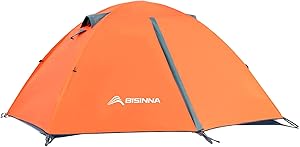
The BISINNA backpacking tent is a high-performance 3-season shelter that punches well above its weight class. It utilizes professional-grade 7001 space aluminum poles, which provide a much better strength-to-weight ratio and durability than standard fiberglass. The double-layer construction features a breathable mesh inner tent and a PU2000mm waterproof rainfly, effectively managing condensation while keeping the interior bone-dry during storms.
Convenience is at the forefront with a two-door design, ensuring that campers don’t have to crawl over each other for midnight exits. The tent is impressively easy to pitch, with a single user able to complete the setup in under ten minutes. Its compact packed size and stable frame make it a perfect choice for hikers, bikers, and mountaineers who need a rugged, lightweight, and dependable shelter.
Pros: High-strength aluminum poles, double-layer weather protection, and dual-door access for convenience.
Cons: Aluminum stakes can be prone to bending; the vestibule space is relatively small.
See the BISINNA Lightweight Backpacking Tent
9. Happy Travel 4-Person Dome Tent

- Height: 61-inch peak headroom
- Fabric: 190T Polyester / PU3000mm
- Safety: Thickened PE bottom
- Access: E-port for power
The Happy Travel dome tent is specifically designed to provide a spacious and dry environment for small families. Its vertical wall design provides 20% more headroom than traditional dome tents, resulting in a 61-inch peak height that makes the interior feel massive. The 190T polyester rainfly features a high PU3000mm waterproof coating, providing excellent peace of mind during heavy summer downpours.
Setup is a breeze thanks to a clip-style system that allows two people to pitch the tent in about three minutes. It also includes modern conveniences like an electrical access port, allowing you to run power cords for fans or chargers inside. With its massive mesh ceiling for stargazing and a rugged, thickened floor, this tent is a fantastic high-comfort choice for car camping and family outings.
Pros: High vertical headroom, superior waterproof rating, and a very fast clip-on assembly.
Cons: Fiberglass poles add extra weight; the large mesh area may be cold in autumn.
See the Happy Travel 4-Person Dome Tent
10. Coleman Sundome 2
- Frame: Wind-responsive fiberglass
- Protection: WeatherTec welded floors
- Dimensions: 7 x 5 feet
- Ventilation: Ground vent and large windows
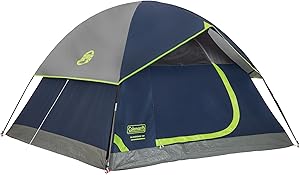
The Coleman Sundome 2 is a compact, navy-colored shelter that is perfect for solo travelers or couples heading to festivals and weekend campsites. It utilizes the legendary WeatherTec system, featuring patented welded floors and inverted seams to ensure that water stays outside. The 7×5 foot floor fits one queen air mattress comfortably, while the ground vent works with large windows to keep the air moving.
Setup is remarkably efficient, taking about 10 minutes thanks to the continuous, snag-free pole sleeves. This tent is also surprisingly rugged for its size, tested to withstand winds of up to 35 MPH. With its durable bathtub-style floor and easy-to-carry design, the Sundome 2 is a reliable, time-tested option for those who want a no-fuss shelter for summer adventures and backyard sleepovers.
Pros: Excellent wind resistance for its class, great airflow through ground vents, and durable floor.
Cons: Limited space for gear when using a queen mattress; rainfly is minimal.
11. Golabs CT1 2-Person Lightweight Tent

- Weight: 4.4 lbs ultralight
- Fabric: 190D Polyester / PU1500mm
- Setup: 3-minute quick pitch
- Storage: Dual interior pockets
The Golabs CT1 is a standout option for budget-conscious adventurers who need to minimize their pack weight. At just 4.4 pounds, this 2-person tent is incredibly easy to carry on longer hikes or beach trips. The PU1500mm waterproof coating provides adequate protection for fair-weather camping, while the 190D polyester taffeta fabric is surprisingly resilient against the typical wear and tear of nature.
Inside, the tent is designed for convenience, featuring a lantern hook and dual storage pockets to keep your gear organized. The mesh skylight and large door ensure that the tent remains cool and well-ventilated, even on humid nights. If you are looking for a lightning-fast 3-minute setup and a highly portable design for scouting or weekend trekking, the Golabs CT1 is a very strong contender.
Pros: Extremely lightweight and portable, incredibly fast assembly, and excellent airflow for warm nights.
Cons: Lower waterproof rating than rivals; fiberglass poles require careful handling during setup.
See the Golabs CT1 2-Person Lightweight Tent
12. Night Cat One-Person Tent

- Protection: Pole splinter-guard cases
- Rating: PU3000mm stormproof
- Size: 7.0 x 3.8 x 3.6 feet
- Weight: 4.4 lbs (2kg)
The Night Cat 1P tent is a specialized solo shelter designed for rugged environments where weather protection is non-negotiable. Despite its single-layer build, it features a heavy-duty PU3000mm waterproof rating and sealed seams, making it capable of surviving significant rainstorms. A unique safety feature is the inclusion of pole protection cases, which prevent the fiberglass from splintering and hurting your hands during assembly.
This tent is perfectly sized for one person and their gear, and it can be pitched in minutes using just two poles. Its compact packed size makes it an ideal choice for motorcycle camping, bikepacking, or solo hiking where space is at a premium. With a mesh door and roof window for ventilation, it remains comfortable while providing a tough, storm-ready shield for the solo adventurer.
Pros: High-spec waterproof rating, unique pole safety sleeves, and perfect for motorcycle or solo travel.
Cons: Single-layer design can lead to condensation; very cramped for two occupants.
See the Night Cat One-Person Tent
How to Choose the Best Camping Tent: A Beginner’s Guide
Stepping into the world of camping for the first time is an exhilarating experience. The promise of fresh air, starlit skies, and a break from the digital grind is enough to make anyone eager to pack their bags. However, before you can enjoy the serenity of nature, you need a reliable shelter. Choosing your first tent can feel overwhelming given the sheer variety of shapes, sizes, and technical jargon available on the market today. This guide is designed to simplify that process, helping you transition from a “backyard dreamer” to a confident “backcountry sleeper.”
Understanding Your Camping Style
The first step in choosing a tent is determining how you plan to use it. Not all tents are created equal, and the “best” tent for one person might be a logistical nightmare for another. Generally, beginners fall into one of two categories: car campers or backpackers.
Car Camping Tents
If you plan to drive your vehicle directly to a designated campsite, weight and packed size are not your primary concerns. In this scenario, you should prioritize comfort, interior space, and ease of setup. Car camping tents are often taller, allowing you to stand up while changing clothes, and they frequently feature extra amenities like gear pockets, room dividers, and large windows.
Backpacking Tents
If your goal is to hike several miles into the wilderness with your gear on your back, every ounce matters. Backpacking tents are engineered to be ultralight and compact. While they may offer less “living room” and lower ceilings, they are designed to fit into a hiking pack and withstand the unpredictable weather conditions of the high country. For beginners, a “crossover” tent that is light enough for short hikes but spacious enough for car camping is often the best investment.
The Golden Rule of Sleeping Capacity
One of the most common mistakes beginners make is taking tent capacity ratings at face value. When a manufacturer labels a tent as a “2-person” model, they typically mean that two standard-sized sleeping pads can fit side-by-side on the floor with very little room for anything else. There is rarely space for bags, boots, or a restless sleeper’s elbows.
Sizing Up for Comfort
As a general rule of thumb, you should assume that a tent’s capacity is one person less than the label suggests if you want a comfortable experience. If you are camping as a couple, a 3-person tent will provide the necessary floor space for your sleeping arrangements plus your personal gear. If you are a solo camper who enjoys a bit of “elbow room,” a 2-person tent is often the perfect choice. For families, always look for tents that offer at least two “spots” more than the number of people in your party.
Seasonality Ratings: What Do They Mean?
Tents are categorized by “seasons,” which refers to their ability to handle various weather conditions. Understanding these ratings will ensure you don’t end up shivering in a storm or sweltering in the sun.
3-Season Tents
The vast majority of beginners should opt for a 3-season tent. These are designed for spring, summer, and fall. they feature plenty of mesh panels for ventilation to prevent condensation and come with a waterproof “rainfly” to shed rain. While they can handle light wind and moderate rain, they are not designed for heavy snow loads or extreme winter gales.
3-4 Season (Extended Season) Tents
These are a hybrid option for those who might camp in early spring or late fall when a dusting of snow is possible. They usually have fewer mesh panels and more solid fabric to retain heat, along with slightly stronger pole structures.
4-Season Tents
Despite the name, these are specifically designed for winter. They are built with heavy-duty fabrics and rounded dome shapes to shed heavy snow and withstand high-velocity winds. They are typically heavy, expensive, and lack the ventilation needed for summer camping. Unless you plan on mountaineering, a beginner can safely skip this category.
Key Features to Look For
Once you’ve narrowed down the style and size, it’s time to look at the technical details that make a tent functional and durable.
Peak Height and Wall Shape
The “peak height” is the tallest point of the tent. However, the shape of the walls determines how much of that height is actually usable. “Cabin-style” tents have near-vertical walls, maximizing interior volume and allowing you to stand up. “Dome-style” tents have sloped walls; while they are better at shedding wind and rain, they offer less standing room.
The Vestibule
A vestibule is essentially a “porch” created by the rainfly that extends beyond the tent door. This is a critical feature for beginners. It provides a dry place to store muddy boots, wet rain jackets, or bulky packs without bringing them into the sleeping area. Tents with dual doors and dual vestibules are highly recommended for pairs, as they allow each person to store their own gear and exit the tent without crawling over their partner.
Rainfly Coverage
A “roof-only” rainfly provides ventilation but may allow rain to splash in during a windy storm. A “full-coverage” rainfly extends all the way to the ground, offering a complete weather seal. For the best protection, beginners should look for full-coverage flies.
Ventilation and Mesh
Even in cold weather, humans breathe out a significant amount of moisture. Without proper ventilation, this moisture hits the cold tent walls and turns into “indoor rain” (condensation). Look for tents with large mesh ceilings and adjustable vents in the rainfly to keep the air moving.
Materials and Durability
Most entry-level tents are made from polyester or nylon. You will often see a “Denier” (D) rating, which refers to the thickness of the fabric fibers. A higher denier (e.g., 75D) is thicker and more durable than a lower denier (e.g., 20D). For a beginner car camping tent, a higher denier is preferable as it can withstand more abrasion from the ground.
Aluminum vs. Fiberglass Poles
Aluminum poles are the gold standard. They are lightweight, strong, and flexible. If an aluminum pole bends, it can often be straightened. Fiberglass poles are common in budget-friendly tents; while they work well for casual use, they are heavier and prone to splintering or shattering under high stress. If your budget allows, always choose aluminum.
The Importance of a Footprint
A footprint is a custom-shaped ground cloth designed to sit underneath your tent. Many beginners view this as an optional “extra,” but it is vital for the longevity of your gear. It protects the tent floor from sharp rocks, sticks, and moisture. Replacing a $30 footprint is much easier than repairing a hole in a $200 tent. If your tent doesn’t come with one, you can use a basic blue tarp, provided you tuck the edges under the tent so rain doesn’t collect on top of it.
Final Tips for the First-Time Buyer
Before you head out on your first trip, there are two golden rules for every beginner. First, practice the setup at home. There is nothing more stressful than trying to figure out a complex pole system in the dark or during a sudden rainstorm at the campsite. Set it up in your living room or backyard until you can do it blindfolded.
Second, take care of your zippers. Zippers are the most common point of failure on any tent. Never force a stuck zipper; instead, check for snagged fabric and pull gently. A well-cared-for tent can last a decade, providing you with countless nights of adventure and a front-row seat to the best views in the world.