Best Ultralight Backpacking Tables of 2026
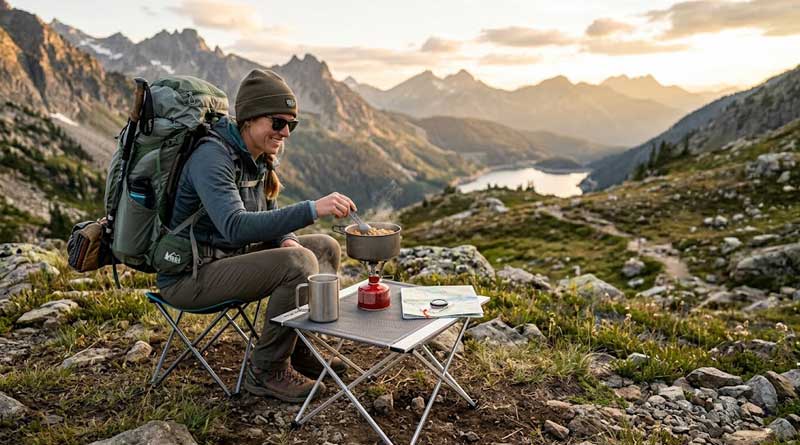
When you’re miles into the backcountry, every ounce in your pack matters. But that doesn’t mean you have to eat sitting on the cold, dirty ground. The best ultralight backpacking tables offer a flat, stable surface for cooking and dining, all while adding very little weight to your load. These clever little setups fold down small, pack easily, and make mealtime much more enjoyable, turning a simple spot in the woods into a comfortable camp kitchen.
1. iClimb Ultralight Table
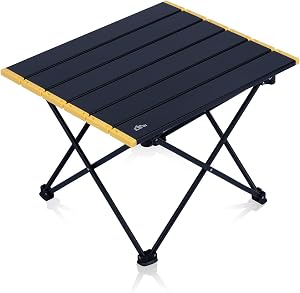
- Weight: 2.2 lbs
- Max Load: 66 lbs
- Packed Size: 17 × 5.9 × 2.76 inches
- Surface Area: 16.1 × 13.58 inches
The iClimb Ultralight Table stands out due to its unique hinged design, which provides exceptional longevity compared to standard bungee-corded setups. Its flat, aerospace-grade aluminum surface ensures durability, making it completely waterproof and corrosion-resistant. Setting it up takes only seconds, allowing you to instantly create a reliable dining or cooking area while relaxing on your camping chairs.
This compact table includes a convenient carry bag, making it an excellent companion for car travel, beach trips, and backyard picnics. Since the aluminum surface is completely heat resistant, you can safely operate a camping stove on top of it. It offers a much sturdier and level surface than traditional cloth alternatives, keeping your drinks and snacks completely secure on any terrain.
Pros: Unique durable hinged design, heat resistant surface, includes carry bag.
Cons: Requires size confirmation before ordering to ensure it fits your specific setup needs.
See the iClimb Ultralight Table
2. iClimb Mini Solo

- Weight: 10 oz
- Max Load: 33 lbs
- Surface Area: 9.8 × 9.8 inches
- Packed Size: 12 × 5.5 × 1.38 inches
The iClimb Mini Solo is an ultimate lightweight option expertly engineered for backpackers who want to minimize their gear weight. Featuring a hollowed-out aluminum alloy tabletop paired with strong stainless steel legs, this low-to-the-ground platform provides excellent stability on uneven terrain. The polished upward edges prevent utensils from sliding off while keeping your hands safe from sharp surfaces.
This micro-table packs down incredibly small, sliding easily into any backpack for hiking, bike touring, or mountaineering. It serves as a great barrier to separate your hot stove from dry grass, and it will not hold boiling water thanks to the hollow design. It works perfectly inside tents or on top of larger tables to organize your daily electronics and cookware.
Pros: Extremely lightweight at 10 oz, upward anti-fall edges, flame and heat resistant.
Cons: Very low clearance of 3.9 inches might not suit traditional camping chairs.
3. Firemaple Petrel Ultralight

- Weight: 191g
- Material: Aluminum alloy and stainless steel
- Compatibility: Standard isobutane cartridges (100g, 110g, 220g, 230g)
- Design: Folding solo cooking table
The Firemaple Petrel Ultralight is a specialized cooking table custom-tailored for solo adventurers, wild camping, and minimalist backpacking. Weighing less than two hundred grams, this highly compact platform ensures you add minimal bulk to your pack during long expeditions. Its premium material blend withstands rigorous outdoor conditions while keeping the entire gear profile incredibly featherlight.
This folding table provides a highly stable surface for safe outdoor meal preparation and enjoyable wilderness dining. It features versatile compatibility, nesting comfortably with standard fuel canisters to streamline your outdoor kitchen workspace. It is an exceptional space-saving solution that solves the common problem of balancing hot cookware on rough, unstable natural ground.
Pros: Featherlight at just 191g, ideal for canister cooking, highly space-saving design.
Cons: Specifically optimized for solo outdoor use and lacks a large tabletop area.
See the Firemaple Petrel Ultralight
4. Naturehike FT07

- Weight: 1.6 lbs
- Max Load: 44 lbs
- Folding Size: 16.9 x 4.5 inches
- Open Size: 23.2 x 15.8 x 15.4 inches
The Naturehike FT07 is a highly portable camp table constructed from durable aerometal aircraft-grade aluminum. It utilizes a reliable double-pole reinforced frame combined with a shock-cord tube system to deliver superior structural stability during outdoor use. The simple two-step assembly process makes it incredibly easy to set up or tear down within seconds without any frustration.
Its large mesh desktop accommodates an impressive amount of camping food, snacks, and fresh vegetables while keeping total gear weight minimal. Detailed design touches include two integrated cup holders to secure your drinks on breezy days at the beach or patio. The included carry bag ensures it remains compact enough for convenient travel anywhere you go.
Pros: Integrated dual cup holders, quick two-step assembly, large mesh desktop area.
Cons: Mesh surface might not be ideal for stabilizing very small or thin items.
5. ONETIGRIS VENTARA

- Weight: 2.4 lbs (1.1kg)
- Max Load: 66 lbs (30 kg)
- Open Size: 24.2 x 17 x 15 inches
- Folded Size: 16.9 x 5.5 x 3.9 inches
The ONETIGRIS VENTARA showcases an integrated structural frame that enables lightning-fast setup by simply extending the legs and securing the bars. Its strong aluminum support frame pairs beautifully with a smooth, roll-up 600D Oxford fabric tabletop that resists wear and cleans up effortlessly. This table ranks among the lightest available options for its generous dimensions, facilitating hassle-free transport.
The spacious surface provides ample room for two campers to share meals, while the integrated side pockets add highly functional storage space. Reinforced with anti-slip feet, the stable platform carries heavy loads safely across diverse environments like beaches, trails, or picnic groves. A premium zippered storage bag completes this highly portable and user-friendly package.
Pros: Integrated lightning-fast assembly frame, extra side storage pockets, high load capacity.
Cons: Fabric style tabletop may flex slightly more than solid metal alternatives.
6. VILLEY Portable Camping Side Table

- Weight: 2.05 lbs
- Max Load: 66 lbs
- Material: Heavy-duty painted aluminum
- Connection: Metal screw and hinge structure
The VILLEY Portable Camping Side Table features a reinforced metal screw and hinge design that completely eliminates flimsy plastic connectors or sagging bungee cords. This structural upgrade offers unmatched stability and long-term reliability for frequent outdoor enthusiasts. Unfolding the aluminum frame and snapping the support rails into place requires absolutely no tools, making assembly quick and effortless.
The painted aluminum surface is completely waterproof, oil-resistant, and treated with a special process to prevent fading even after repeated rinsing. Supported by a robust triangular frame and stable foot caps, it resists tipping or bending on unpredictable outdoor terrains. It packs neatly into its included bag, making it perfect for car trunks, motorcycles, or RV adventures.
Pros: Heavy-duty metal hinge design, fade-resistant waterproof surface, tool-free quick setup.
Cons: Slightly more individual structural components to snap together during assembly.
See the VILLEY Portable Camping Side Table
7. NACETURE Ultralight Backpacking Table

- Weight: 1.8 lbs
- Folded Size: 3.9 x 16 inches
- Frame Material: 7075 aluminum alloy
- Tabletop Material: 600D polyester fabric
The NACETURE Ultralight Backpacking Table delivers a strong, reliable surface designed to provide valuable counter space for modern wilderness travelers. Built using premium high-density 7075 aluminum alloy, the frame perfectly balances lightweight packability with rugged structural strength. The detachable 600D fabric tabletop provides a firm, reliable platform for supporting heavy bowls, camping flashlights, and survival accessories.
This compact table stands out by including an innovative detachable mesh storage basket that clips neatly underneath the frame. This bonus compartment keeps your snacks, extra gear, and personal items clean and elevated off the ground. The entire unit slides seamlessly into backpacks, beach totes, or survival boxes for easy transport anywhere.
Pros: Bonus under-table mesh storage basket, high-strength 7075 aluminum frame, very compact.
Cons: Fabric tabletop requires tensioning and is not suitable for placing hot stoves directly.
See the NACETURE Ultralight Backpacking Table
8. Naturehike YL01

- Weight: 3.9 lbs
- Max Load: 110 lbs
- Folded Size: 15.7 x 5.5 inches
- Material: Powder coated aluminum alloy
The Naturehike YL01 side table features a heavy-duty aluminum alloy build that supports an exceptional weight capacity of up to one hundred and ten pounds. Equipped with highly stable foot caps, the rugged legs resist folding, bending, or slipping on diverse outdoor terrains without tipping risks. It requires zero tools for assembly, folding down quickly to let you enjoy the wilderness without setup stress.
The premium powder-coated aluminum tabletop is completely scratch-resistant, waterproof, and exceptionally easy to rinse clean directly with water. It packs down neatly into an included storage bag, ensuring it can accompany you on family BBQs, beach outings, and picnics. Its heavy-duty nature ensures a long lifespan through years of rigorous travel use.
Pros: Massive 110 lbs load capacity, anti-scratch powder coating, highly stable leg design.
Cons: Notably heavier than other backpacking options at 3.9 pounds.
How to Choose the Perfect Ultralight Backpacking Table
Backpacking is all about finding joy in simplicity. You carry only what you need, and every piece of gear earns its place by being useful, reliable, and as light as possible. For a long time, a table was considered a luxury item—something only car campers or RV travelers bothered with. But the rise of ultralight materials and clever designs has changed that. Today, a backpacking table can weigh less than a full water bottle, pack down to the size of a paperback book, and completely transform your mealtime experience.
If you have ever tried to balance a hot stove on a wobbly rock, slice cheese on a sandy log, or keep your spoon from falling into the dirt, you already know why a table is worth considering. It gives you a clean, stable surface to cook, eat, organize your gear, or even play cards when the weather turns bad. But with so many options on the market, how do you pick the right one? This guide will walk you through every factor that matters, from weight and packability to stability and price, so you can make a smart choice for your next adventure.
Why You Might Want a Backpacking Table
Before we dive into the details, let us be honest: not every hiker needs a table. If you are a fastpacker covering thirty miles a day, you probably eat a cold bar while walking and never stop long enough to set up anything. But if you enjoy a hot meal at the end of a long day, if you hike with a group, or if you simply like a little comfort in the wilderness, a table is a game-changer. It keeps your stove off the ground where it is less likely to tip over, it prevents dirt and pine needles from sticking to your food, and it saves you from hunching over a rock. In short, it makes camp feel more like home.
The best part is that modern ultralight tables do not force you to choose between convenience and weight. Many models weigh under 200 grams (about seven ounces) and fold into a flat or cylindrical bundle that fits easily in a side pocket of your backpack. They are not just for long hikes either—they are equally useful for bike touring, kayak camping, and even picnics near the trailhead.
What to Look for in an Ultralight Backpacking Table
Choosing a table is not just about grabbing the cheapest or lightest option. You need to consider how and where you will use it, what kind of terrain you usually camp on, and how much space you have in your pack. Here are the key factors to evaluate.
Weight and Portability
This is the number one concern for any ultralight backpacker. Every gram counts, so you want a table that adds minimal weight to your base load. Look for tables made from aluminum, titanium, or high-grade plastic composites. Aluminum is the most common—it is light, affordable, and strong enough for a stove, a bowl, and a cup. Titanium is even lighter and more durable, but it costs significantly more. Plastic tables are often the lightest, but they may not handle hot pots as well, so check the heat resistance.
Portability goes hand in hand with weight. A good ultralight table should fold or roll into a compact shape. Many popular models use a foldable panel design similar to a laptop stand, while others use telescoping legs with a fabric or mesh top. Make sure the packed size fits in your backpack without forcing you to leave something else behind. If you use a small daypack or a frameless ultralight pack, measure your available space before buying.
Stability and Surface Area
A table that wobbles is worse than no table at all. Stability depends on three things: leg design, ground grip, and the width of the base. Tables with cross-braced legs or locking hinges are more stable than simple folding legs that swing freely. Rubber feet are a big plus because they prevent slipping on smooth rock or hard-packed dirt. For uneven terrain, look for tables with individually adjustable legs—these allow you to level the surface even on a sloped campsite.
Surface area is another balancing act. A larger table gives you room for a stove, cutting board, and plate all at once, but it adds weight and bulk. A smaller table might only hold a single burner stove and a small bowl, which is fine for solo hikers. Think about your typical meal setup. Do you cook elaborate meals with multiple pots? Do you eat with friends who also need space? Choose a size that fits your cooking style without going overboard. Most ultralight tables range from about 25 by 20 centimeters up to 40 by 30 centimeters.
Material and Durability
The materials used in a table affect not just weight, but also how long it will last. Aluminum and titanium are excellent choices because they resist rust, handle heat well, and can take a bit of rough handling. However, thin-gauge metals can bend if you sit on them or overload them with heavy cookware. Always check the manufacturer’s weight capacity. Most ultralight tables are rated for five to ten kilograms—enough for a stove and dinner, but not for a large cast-iron pan.
Plastic and composite tables are often more affordable and incredibly light, but they can crack in freezing temperatures or warp if you place a hot pot directly on the surface. Some models include a heat-resistant insert or a mesh top that lets heat escape. If you go with plastic, read the fine print about temperature limits.
The tabletop surface also matters. Solid panels are easy to clean and provide a stable place for cutting or chopping. Mesh or slatted tops allow dirt and water to fall through, which is great for wet or sandy conditions, but they are not as good for small items like spices or screws. Fabric tops, common on collapsible camping tables, are very light but may sag under heavy pots.
Ease of Setup and Breakdown
After a long day on the trail, the last thing you want is a puzzle. A good ultralight table should set up in under a minute, with no tiny parts to lose. Look for designs with intuitive folding mechanisms, snap-lock joints, or pull-cord systems. Practice at home before your trip so you are not fumbling in the dark. Similarly, breakdown should be quick and straightforward, with a clear way to stow the legs and fold the top without pinching your fingers.
Some tables come with a carrying sack or elastic strap to keep everything together. This is a small but useful feature—it prevents the table from unfolding inside your pack and keeps the legs from scratching other gear.
Heat Resistance
If you plan to use a stove directly on the table, heat resistance is critical. Many ultralight tables are not designed for direct flame or high heat. The surface can melt, discolor, or weaken over time. Check if the table has a dedicated heat shield or if the manufacturer recommends placing a silicone pad or a small piece of foil under the stove. Some tables are explicitly stove-compatible and have a special coating that resists temperatures up to 200 degrees Celsius or more.
An alternative is to use the table as a prep area and keep the stove on the ground or on a separate small stand. This keeps your cooking surface clean and avoids any risk of heat damage.
Versatility and Extra Features
Some ultralight tables are more than just tables. They might include integrated cup holders, slots for hanging utensils, or attachment points for a windscreen. While these extras can be handy, they also add weight and complexity. Decide which features genuinely improve your camping experience and which are just marketing gimmicks. A cup holder is nice, but a flat surface with enough room for your mug is usually sufficient.
A few tables double as cutting boards or have a removable top that can be used separately. This can save space and give you more flexibility, especially on longer trips where every item needs to serve multiple purposes.
Common Mistakes to Avoid
Many backpackers, especially beginners, make a few recurring errors when choosing a table. One is focusing only on weight and ignoring stability. A 150-gram table that collapses under a pot of boiling water is useless. Another mistake is forgetting about terrain. If you mostly camp on rocky or uneven ground, fixed-height legs will frustrate you. Buy a table with adjustable legs or bring a small piece of foam to place under the feet for leveling.
Some hikers also overlook the packed shape. A table that rolls into a long cylinder might not fit in a short, wide backpack. Always check the dimensions when folded, not just the weight. Lastly, do not assume that expensive means better. There are excellent mid-range tables that perform as well as premium ones. Read reviews from real users who have taken the table on multi-day trips in various weather conditions.
Budget Considerations
Ultralight backpacking tables range from about twenty dollars to over a hundred dollars. The price difference comes down to materials, brand reputation, and build quality. Cheaper tables are often made of lower-grade aluminum or plastic with simpler hinges. They work fine for occasional use but may wear out faster or have less stable leg locks. Mid-range tables offer a good balance of weight, durability, and price, making them ideal for most backpackers.
Premium tables use aircraft-grade aluminum, titanium, or carbon fiber, with precision-machined joints and thoughtful details like anti-slip feet and heat shields. These are worth the investment if you hike frequently or plan to use the table for years. However, you do not need to spend top dollar to get a reliable table. Look for sales, second-hand gear, or last-year models that still perform perfectly.
Real-World Testing and Reviews
Before you buy, spend some time reading detailed reviews and watching video demonstrations. Pay attention to comments about durability after extended use, because some tables develop loose legs or bent panels over time. Also, look for feedback on how the table performs in wind—a stable table can still blow over if the legs do not have good traction.
If possible, visit an outdoor gear store and handle a few models. Fold and unfold them, feel the weight, and imagine using them with your specific cookset. What looks good on paper might feel flimsy or awkward in person. Personal preference plays a big role—some people love roll-up fabric tables, while others prefer rigid panel designs.
Final Thoughts: Matching the Table to Your Adventure
There is no single best ultralight backpacking table for everyone. The right choice depends on your personal hiking style, the length of your trips, and how much comfort you value. A solo thru-hiker covering twenty miles a day might choose a tiny, minimalist table that weighs under 150 grams. A weekend camper who enjoys slow mornings with a hot coffee and a book might prefer a slightly larger, more stable table that can hold a full meal for two.
Think about your typical campsite routine. Do you cook elaborate dinners? Do you eat with others? Do you often camp above the treeline where rocks are the only alternative? Answering these questions will point you toward the right table size, material, and design.
Remember, the goal is not to bring every comfort from home—it is to add one small piece of gear that makes your time outdoors more enjoyable without weighing you down. A good ultralight table does exactly that. It gives you a clean, level place to prepare food, keep your stove steady, and enjoy your meal without balancing on your knees. With the information in this guide, you are now ready to choose a table that fits your pack, your budget, and your adventures.
Take your time, compare options, and do not hesitate to ask fellow hikers for their recommendations. The perfect table is out there, and when you find it, you will wonder how you ever camped without it.