Best Weekend Hiking Backpacks of 2026
Looking for the perfect backpack for your weekend adventures? A good hiking pack should be comfortable, sturdy, and just the right size. It’s your key to carrying everything you need, from water and snacks to a cozy jacket. We’ve tested the top options to help you find your ideal match. Get ready to hit the trails with confidence and ease. Let’s find the best weekend hiking backpack for you!
1. REI Co-op Flash 22

- Frame Type: Frameless
- Weight: 14 ounces
- Gear Capacity: 22 liters
- Material: 70-denier recycled ripstop nylon
The REI Co-op Flash 22 is a quintessential ultralight daypack designed for hikers who prioritize agility and weight savings. Its frameless construction allows it to be highly packable, making it an excellent choice for a secondary summit pack or a light daily trekker. Despite its minimalist design, it provides a surprising amount of organization with four exterior pockets and a dedicated top access point that keeps essentials within reach during quick transitions.
Built with sustainability in mind, the bluesign approved recycled ripstop nylon ensures durability against light abrasions while maintaining an incredibly low profile. The pack fits a wide range of torso lengths and includes a functional hipbelt to keep the load stabilized. While it lacks an integrated raincover, its reservoir compatibility ensures you stay hydrated on the move. It is a versatile, no-frills companion for those who enjoy moving fast through the backcountry with minimal bulk.
Pros: Extremely lightweight, eco-friendly materials, highly breathable design.
Cons: No raincover, limited support for heavy loads.
2. Teton Oasis/Trailrunner

- Hydration: 2L water bladder included
- Capacity: 18L or 22L options
- Fit: Low-profile athletic cut
- Special Feature: Sewn-in rain cover
The Teton Oasis is a feature-rich hydration backpack that excels in keeping users refreshed during high-intensity activities like cycling and running. The included 2-liter water bladder features a kink-free sip tube and a push-lock bite valve, ensuring a smooth flow of water without the risk of leaks. Its insulated bladder pocket is a standout feature, designed to keep your beverages cold for hours even in direct sunlight or heat.
Beyond hydration, this pack is built for all-day comfort with high-density foam shoulder straps and a breathable mesh covering. It includes thoughtful outdoor additions like weather-guarded zippers and a bungee cord system for securing extra layers or a helmet. The butterfly opening design allows for easy access to the main compartment, while the sewn-in rain cover provides peace of mind during unexpected downpours. It is a reliable, budget-friendly option for active outdoor enthusiasts.
Pros: Included 2L bladder, integrated rain cover, insulated pocket.
Cons: Smaller storage capacity for bulky gear, slightly heavier for its size.
See the Teton Oasis/Trailrunner
3. Osprey Daylite

- Gear Capacity: 13 liters
- Weight: 1 lb. 1 oz.
- Laptop Fit: 13 inches
- Material: 300D/600D recycled polyester
The Osprey Daylite is a compact and versatile pack that bridges the gap between a technical hiking daypack and an everyday commuter bag. With a 13-liter capacity, it is intentionally small, focusing on carrying just the essentials for short trails or city errands. The inclusion of a dedicated 13-inch laptop sleeve makes it particularly useful for students or professionals who want a pack that can transition seamlessly from the office to the trail.
Constructed from high-quality recycled polyester, the Daylite is durable and environmentally conscious. The frameless design keeps it light, while the adjustable hipbelt provides stability when you are on the move. It is reservoir compatible, allowing for easy hydration integration during outdoor activities. Though it lacks a raincover and has limited volume, its build quality and sleek aesthetic make it a favorite for those who prefer a streamlined, multi-functional carrying solution that fits comfortably on any back.
Pros: Laptop compatible, durable recycled fabrics, very compact.
Cons: Very small capacity, no integrated raincover.
4. HMG Elevate 22

- Weight: Approx. 1 lb. 1.7 oz. (Medium)
- Material: Dyneema Composite Hybrid
- Frame Type: Frameless
- Waist Fit: 28-50 inches
The HMG Elevate 22 is a premium ultralight backpack engineered for serious hikers who demand high performance and weather resistance. Utilizing advanced Dyneema Composite Hybrid materials, this pack offers an incredible strength-to-weight ratio and natural water resistance that standard nylon cannot match. The roll-top access ensures that the 22-liter main compartment stays protected from the elements while allowing for volume flexibility based on your gear requirements for the day.
Ergonomics are a priority for the Elevate, offering three distinct torso sizes to ensure a perfect fit for every user. The use of Dyneema stretch mesh on the exterior pockets provides durable storage for wet gear or water bottles without compromising the pack’s sleek profile. While it is on the more expensive side and lacks an internal frame, its technical materials and specialized construction make it a top-tier choice for enthusiasts looking to shed ounces without sacrificing the longevity of their equipment.
Pros: Highly water-resistant Dyneema, superior durability, ultralight.
Cons: Expensive price point, no frame for heavier loads.
5. Maelstrom Hiking Backpack

- Capacity: 40 liters
- Material: 210D rip-stop nylon
- Pockets: 9+ compartments
- Safety: Survival whistle on chest buckle
The Maelstrom 40L backpack is a heavy-duty daypack designed for those who carry significant gear for full-day adventures or light overnight trips. It stands out with its massive storage capacity and numerous organizational compartments, including a specialized waterproof wet pocket for sweaty clothes or swim gear. The ergonomic design features a breathable, padded back panel and adjustable chest buckles to help distribute the weight evenly across the torso, reducing fatigue.
This pack is loaded with unique functional details, such as a headphone hole for music lovers and dedicated fasteners for trekking poles. Safety is also a focus, with reflective signs for visibility and a built-in survival whistle on the chest strap. Despite its large 40-liter volume, it remains lightweight enough for most airline carry-on requirements. Whether you are fishing, camping, or commuting, the included rain cover and water-resistant materials ensure your gear stays protected regardless of the environmental conditions.
Pros: Massive storage, included rain cover, wet/dry separation.
Cons: Can feel bulky when fully loaded, overkill for short walks.
See the Maelstrom Hiking Backpack
6. Osprey Talon 22

- Frame Type: Internal Frame (Aluminum)
- Weight: 2 lbs. 6.1 oz.
- Access: Panel loading
- Torso Fit: 17-22 inches (Adjustable)
The Osprey Talon 22 is often cited as the gold standard for technical daypacks due to its exceptional balance of weight, comfort, and features. Unlike many smaller packs, it features a peripheral aluminum hoop frame that provides excellent load transfer to the hips. The adjustable torso length allows for a customized fit, while the high-tenacity recycled nylon construction ensures it can handle years of abuse on rugged trails. Its panel-loading design offers easy access to the entire main compartment.
Organization is top-tier with six exterior pockets, including convenient zippered hipbelt pockets for snacks or a phone. The pack is also designed with PFAS-free DWR treatment, making it more environmentally friendly while shedding light moisture. While it is heavier than the frameless options on this list, the added support makes it much more comfortable for long days with a full hydration reservoir and extra layers. It remains a reliable, high-performance workhorse for serious hikers who want a pack that moves with them.
Pros: Excellent weight distribution, adjustable torso, very durable.
Cons: Higher weight, no included raincover.
7. WATERFLY Small Backpack

- Weight: 10.2 ounces
- Capacity: 20 liters
- Design: Foldable/Packable
- Zippers: Durable SBS zippers
The WATERFLY Small Backpack is the ultimate solution for travelers and casual hikers who need a packable storage option. Its most impressive feature is the foldable design, allowing the entire 20-liter bag to shrink down into a tiny 8.7 by 6.3 inch pouch. This makes it an ideal “extra” bag to toss into a larger suitcase for use during day trips or grocery runs while on vacation. Despite being ultra-lightweight at just 10.2 ounces, it offers plenty of room for daily essentials.
Constructed from recycled nylon with polyester linings, this pack focuses on simplicity and ease of use. It features multiple compartments, including two front pockets and a removable zipper pocket to keep items organized. The breathable shoulder straps help manage heat, and the smooth SBS zippers provide reliable access to your gear. While it lacks the structure and support of a dedicated trekking pack, its portability and versatile design make it a great choice for leisure walks, amusement parks, or cycling adventures.
Pros: Extremely packable, very affordable, recycled materials.
Cons: No back support/frame, not suitable for heavy loads.
See the WATERFLY Small Backpack
8. REI Co-op Trail 25

- Gear Capacity: 25 liters
- Frame: HDPE framesheet
- Weight: 1 lb. 13 oz.
- Raincover: Included
The REI Co-op Trail 25 is a robust, middle-of-the-road daypack that offers an excellent balance of capacity and structure. Equipped with an HDPE framesheet, it provides more support than a standard frameless pack, making it comfortable for carrying 25 liters of gear over varied terrain. The top and panel access design allows for versatile packing and easy retrieval of items at the bottom of the bag. It is also highly inclusive, offered in sizes that accommodate a wide range of torso and waist measurements.
Sustainability is a core component of its build, featuring bluesign approved recycled polyester and nylon. One of its standout features is the included raincover, which is stowed in a dedicated pocket, ensuring your gear stays dry without requiring an extra purchase. With hydration compatibility and multiple exterior pockets, it is designed for functionality and ease of use. This is a dependable choice for hikers who want a sturdy, well-organized pack that can handle everything from a casual forest walk to a rugged mountain trail.
Pros: Included raincover, great size inclusivity, supportive frame.
Cons: Slightly heavier than minimalist packs, bulkier profile.
9. SKYSPER Small Hiking Backpack
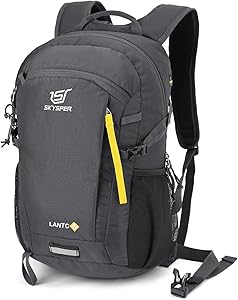
- Capacity: 20 liters
- Weight: 1.1 lbs.
- Material: 600D polyester / 210D nylon
- Strap System: Detachable and adjustable
The SKYSPER LANTC20 is a stylish and safety-conscious 20-liter backpack tailored for short hikes and city excursions. Its construction uses a mix of high-density polyester and nylon plaid fabric, providing a water-resistant and tear-resistant exterior that holds up well to daily wear. The grooved carrying system and breathable mesh on the back are designed to reduce sweating and keep the wearer comfortable during long periods of movement. It also features reinforced stress points for added durability.
Safety is a major selling point for this pack, as it includes an anti-theft zipper for important documents and an outdoor emergency rescue guide. The design is highly functional with trekking pole fixtures and a safety whistle integrated into the chest strap. Because the straps are detachable and adjustable, the pack can be modified to suit different activities or body types. It is a perfect blend of fashion and function, making it just as suitable for a weekend getaway as it is for a daily commute.
Pros: High durability materials, anti-theft features, sleek aesthetic.
Cons: Limited capacity for long trips, frameless design.
See the SKYSPER Small Hiking Backpack
10. IX INOXTO Hiking Backpack

- Hydration: 3L leak-proof bladder included
- Support: Steel frame with 3D touch suspension
- Dimensions: 20.4 x 11.8 x 5.9 inches
- Raincover: Free waterproof cover included
The IX INOXTO Hiking Backpack is an all-in-one solution for those who prioritize hydration and back support. It comes with a massive 3-liter leak-proof water bladder, which is larger than most standard inclusions, allowing for extended time on the trail without refilling. The pack’s most impressive technical feature is the steel frame support and 3D touch suspension system, which creates space between your back and the bag to maximize airflow and distribute weight more evenly.
Organization is effortless with multiple compartments, including a bottom pocket designed for easy access to shoes or dirty clothes. The high-density polyester material is water-resistant, and the addition of a free rain cover ensures total protection in harsh weather. Reflective elements are also included to enhance visibility at night. While it is a bit larger than typical daypacks, its ergonomic mesh shoulder straps and plentiful padding make it a comfortable choice for strenuous climbs, hunting trips, or full days of outdoor exploration.
Pros: Large 3L bladder, excellent steel frame support, separate shoe pocket.
Cons: Heavier than average daypacks, bulky for casual use.
See the IX INOXTO Hiking Backpack
How to Choose the Perfect Weekend Hiking Backpack
Setting out on a weekend hiking trip is one of life’s simple joys. Whether you’re aiming for a mountain summit or a peaceful forest loop, having the right gear is essential for comfort and enjoyment. At the center of that gear is your backpack. Unlike a casual daypack or a massive expedition sack, a weekend backpack is a specific tool designed for 1-3 night adventures. Choosing the wrong one can lead to sore shoulders, an aching back, and a trip you’d rather forget. This guide will walk you through the key factors to consider, helping you find the perfect pack for your needs without overwhelm or jargon.
Start with the Core Question: Capacity
Before you look at colors or brand names, you need to decide how much space you require. Capacity is measured in liters, and for a typical weekend hike (2 days, 1 night), most hikers find a sweet spot between 30 and 50 liters. Your exact needs depend heavily on your style and the season.
For the Minimalist or Summer Hiker (30-40 Liters)
If you pack light, use compact gear, and are hiking in warm weather where bulky insulation isn’t needed, a pack in the 30-40 liter range can be perfect. It forces efficiency and is lighter on your back. This size typically accommodates a sleeping bag, shelter, food, water, and essential layers without extra frills.
The Versatile Sweet Spot (40-50 Liters)
This is the most recommended range for weekend trips. A 40-50 liter pack offers flexibility for cooler weather (requiring a warmer sleeping bag and more clothing), carrying a bit more comfort food, or if your gear isn’t ultra-compact. It provides room without being excessively large or heavy.
For Colder Climates or Added Comfort (50+ Liters)
If you’re venturing out in shoulder seasons (spring/fall) or winter, or if you simply prefer the comfort of a roomier sleeping bag and extra layers, a pack between 50 and 65 liters might be appropriate. Be cautious, however, as a larger pack often tempts you to fill the space with non-essentials, adding unnecessary weight.
The Fit is Everything: Torso Length and Hipbelts
This is the most critical step in your selection process. A poorly fitting backpack will be uncomfortable no matter how expensive or feature-laden it is. Backpacks are sized by torso length, not your overall height.
How to Find Your Torso Length
You can measure yourself at home. Feel for the bony bump at the base of your neck (the 7th cervical vertebra). Tilt your head forward to find the most prominent one. This is your start point. Then, find the top of your hip bones (the iliac crest) on both sides and place your hands on your hips with your thumbs pointing to your spine. Imagine a line between your thumbs—this is the end point. Measure the distance between the start and end points. Most packs come in Small, Medium, and Large ranges (e.g., 16-18 inches for a Medium).
The Importance of the Hipbelt
A properly fitted backpack transfers 80-90% of its weight to your hips via the hipbelt. This is crucial because your hips and legs are much stronger than your shoulders. When trying on a pack, the hipbelt should wrap snugly around the top of your hip bones, not ride up onto your stomach or dig into your lower back. The majority of the weight should feel supported here.
Shoulder Straps and Load Lifters
The shoulder straps should cradle your shoulders comfortably without gaping or pinching. Once the hipbelt is secure and the weight is on your hips, you should be able to tighten the load lifter straps (the small straps connecting the top of the pack to the shoulder straps). These help pull the weight closer to your body and improve balance, taking strain off your shoulders.
Features and Design: Organizing Your Load
Once you know your size and capacity, look at the features that match your hiking style. Packs generally fall into two design philosophies: panel-loading and top-loading.
Panel-Loading (Clamshell) Packs
These packs open like a suitcase via a large zipper along the front and sides. They offer fantastic accessibility to all your gear without having to dig from the top. This is ideal for organized packers and for finding items quickly. They often feature a “floating” lid that can be adjusted as the pack fills.
Top-Loading Packs
The traditional design, accessed only through the top. They are often simpler, lighter, and slightly more water-resistant as they have fewer zippers. Packing requires more thought (heavy items in the middle, sleeping bag at the bottom), and accessing something at the bottom means unpacking. Many modern top-loaders also include a front “shovel” pocket and a bottom sleeping bag compartment for easier access.
Pockets and Accessibility
Think about how you like to organize. Do you want side pockets for water bottles? A front stretch-mesh pocket for stuffing a wet jacket? A dedicated hydration sleeve and hose port? Hipbelt pockets are incredibly useful for snacks, a camera, or sunscreen, keeping essentials within reach without stopping. Brain/lid pockets are great for small, frequently-needed items like a map, headlamp, or first-aid kit.
Material and Weight: Durability vs. Ounces
Backpack materials are a balance between durability, weight, and cost.
Common Fabrics
Look for fabrics like nylon (often in denier counts like 210D or 420D). A higher denier is generally more abrasion-resistant but slightly heavier. Many manufacturers use ripstop nylon or reinforced panels in high-wear areas (like the bottom). For weekend use, you don’t need the ultra-heavy-duty expedition fabric, but a robust material is wise.
The Ultralight Consideration
If shaving weight is a top priority, you can find packs made from ultra-light silnylon or Dyneema Composite Fabric (DCF). These are significantly lighter but often come at a higher cost and may sacrifice some durability and feature-set. For most weekend hikers, a standard nylon pack offers the best balance.
The Final Step: Try Before You Buy
If at all possible, visit an outdoor retailer. Even if you plan to buy online, trying on different brands is invaluable. Brands like Osprey, Gregory, Deuter, and REI Co-op all have slightly different fits—some are better for longer torsos, others for narrower shoulders.
How to Test a Pack in Store
Ask a sales associate to help you adjust the pack. They can often add weighted bags or pillows inside to simulate a real load. Walk around the store for at least 10-15 minutes. Pay attention to pressure points. Can you easily reach the water bottle pockets? Does the hipbelt stay put? Imagine the motions of hiking: move your shoulders, bend slightly. A good pack should feel like a natural extension of your body, not a burden.
Check the Warranty
Many reputable brands offer excellent warranties, from limited lifetime guarantees to robust repair policies. This can be a deciding factor and offers peace of mind for your investment.
Conclusion: Your Gateway to Adventure
Choosing a weekend hiking backpack is a personal process. By focusing first on the right capacity and an impeccable fit, then dialing in the features that suit your style, you’ll find a trusted companion for countless trails. Remember, the best backpack is the one you forget you’re wearing because it’s so comfortable and functional. Take your time with the decision, and you’ll be rewarded with a pack that not only carries your gear but also enhances your entire outdoor experience. Now, the trail awaits.