Best Winter Backpacking Tents of 2026
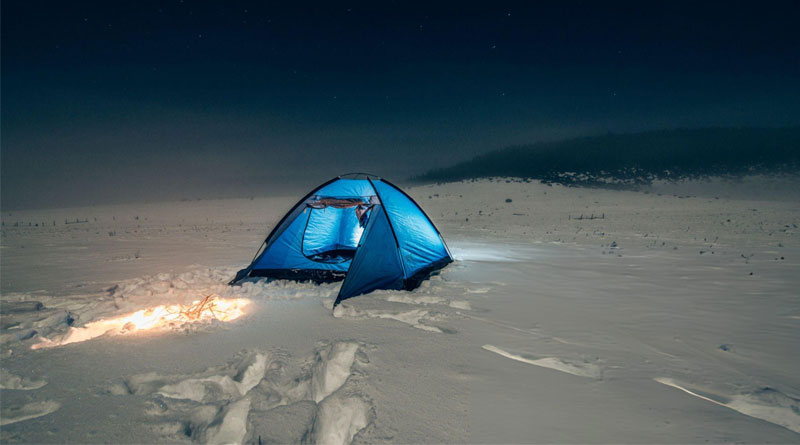
Heading out on a winter backpacking trip? Your tent is your most important shelter against the cold, wind, and snow. The right winter tent is built tough to handle harsh weather, keeping you safe, dry, and surprisingly warm. Unlike summer tents, these are stronger, with sturdier poles and less mesh for better insulation. This guide will help you find the best winter backpacking tent for your adventures, so you can focus on enjoying the stunning snowy landscapes.
1. Camppal 1 Person Tent

- Capacity: 1 Person
- Weight: 3.75 lb
- Waterproof Rating: 3500–4000 mm
- Floor Length: 8.2 ft
The Camppal 1 Person Tent is designed for solo campers who want maximum weather protection without carrying excess weight. With a high waterproof rating between 3500 and 4000mm, this tent performs confidently in heavy rain and wet ground conditions. Seam-taped zippers, reinforced corners, and Velcro-wrapped seams all work together to block water intrusion. The rip-stop fabric and strong aluminum pole provide solid wind resistance, making it suitable for unpredictable weather. Despite its protective build, the tent remains lightweight and compact enough for backpacking.
One of the standout features is its extended 8.2-foot length, which is ideal for taller users and allows extra room for gear storage inside the tent. Setup is extremely beginner-friendly and takes around three minutes using a single ridge pole. Packing up is equally easy thanks to the oversized carry bag. This tent balances comfort, durability, and convenience well, making it a reliable option for solo hikers, bikepackers, and minimalist campers looking for dependable shelter.
- Pros: Excellent waterproofing, very lightweight, long interior length, fast setup
- Cons: Limited headroom, single-person only
2. Underwood Aggregator Tent

- Season Rating: 4 Season
- Weight: 4.4 lb
- Waterproof Rating: PU 5000 mm
- Packed Size: 5.1 x 15 in
The Underwood Aggregator Tent is built for campers who venture out year-round and need dependable protection in extreme conditions. Unlike typical three-season tents, this model includes a snow skirt that blocks drifting snow and cold air during winter trips. When temperatures rise, the skirt can be rolled up to improve airflow. Mesh panels and a double-layer door design help manage ventilation while keeping insects out, making the tent adaptable across all seasons.
Inside, the tent is thoughtfully designed with practical features such as a lantern hook and mesh storage pocket. The two-way zipper improves ease of access, while reinforced double-layer corners enhance stability in strong winds. Aircraft-grade aluminum poles and a full-coverage rainfly with a PU 5000mm coating provide excellent waterproof and windproof performance. Compact when packed and freestanding when set up, this tent is well-suited for solo backpackers who prioritize durability and four-season reliability.
- Pros: True four-season design, high waterproof rating, compact packed size, strong wind resistance
- Cons: Slightly heavier than summer tents, limited interior space
See the Underwood Aggregator Tent
3. Night Cat Backpacking Tent

- Capacity: 1 Person
- Weight: 4.4 lb
- Waterproof Rating: PU 3000 mm
- Setup Time: 1–2 Minutes
The Night Cat Backpacking Tent is a practical choice for solo campers who value quick setup and compact packing. Its standout feature is the upgraded fiberglass poles with a protective casing, which helps prevent hand injuries during assembly. The dome-style structure is simple and intuitive, allowing even beginners to pitch the tent in just a couple of minutes. With an interior size that comfortably fits one adult, there is also enough space for essential gear storage.
Weather protection is solid thanks to PU 3000mm rainproof fabric and fully taped seams that keep water out during storms. Ventilation is handled well through a large mesh door and a roof mesh window, promoting airflow while keeping insects outside. Although lightweight, the tent feels stable for its size and works well for camping, hiking, biking, and backyard use. It offers a good balance between affordability, safety, and everyday camping performance.
- Pros: Fast setup, protective pole design, good ventilation, compact size
- Cons: Fiberglass poles are less durable than aluminum, limited cold-weather use
See the Night Cat Backpacking Tent
4. Forceatt Tent

- Capacity: 2 Person
- Weight: 5.5 lb
- Waterproof Rating: 3000 mm
- Interior Height: 43.3 in
The Forceatt Tent is designed for campers who want a roomy yet lightweight shelter for two people. With dual D-shaped doors and two vestibules, it offers excellent accessibility and convenient gear storage on both sides. The interior space feels generous for its weight, making it suitable for couples or solo campers who prefer extra room. Its aluminum pole structure and reflective guylines provide reliable stability in windy conditions.
Water protection is handled by a 3000mm waterproof rating and a welded bathtub floor that keeps moisture from seeping in. The full-coverage rainfly adds an extra layer of protection during heavy rain. Ventilation is another strong point, thanks to large mesh panels and ceiling vents that reduce condensation while maintaining airflow. Easy to set up in about three minutes, this tent is a solid all-around option for backpacking and general camping trips.
- Pros: Spacious for two, good ventilation, quick setup, durable zippers
- Cons: Not ideal for winter camping, slightly bulky for ultralight hikers
5. BISINNA 4 Season Tent

- Season Rating: 4 Season
- Weight: 6.4 lb
- Waterproof Rating: PU 3000 mm
- Capacity: 2 Person
The BISINNA 4 Season Tent is built for campers who need year-round performance without sacrificing comfort. Its snow skirt design helps retain warmth and block snow during winter, while the rollable structure allows effective use in warmer seasons. Constructed from tear-resistant 210T polyester with a PU 3000mm coating, the tent provides reliable weather protection in rain, wind, and cold conditions.
Inside, the tent offers enough space for two people along with camping gear, thanks to its well-proportioned interior and added waterproof foyer. Ventilation is handled through dual doors, windows, and mesh panels that promote airflow and reduce condensation. Despite its four-season capability, the tent remains relatively lightweight and packable, making it suitable for backpacking and motorcycle travel. Setup is straightforward and can be done solo, even by beginners.
- Pros: Four-season usability, good interior space, effective ventilation, easy setup
- Cons: Heavier than three-season tents, condensation requires proper setup
6. OneTigris STELLA 2 Tent

- Material: 20D Nylon
- Weight: 4.4 lb
- Waterproof Rating: 3000 mm
- Capacity: 2 Person
The OneTigris STELLA 2 Tent is a lightweight and versatile shelter aimed at backpackers and minimalist campers. Its 20D nylon fabric with silicone coating offers an impressive balance of durability and packability. The removable blackout outer tent adds flexibility, allowing users to adjust ventilation and light control depending on weather conditions. With crossed poles and a freestanding design, setup is quick and intuitive.
The tent performs well in wet conditions thanks to its 3000mm waterproof rating and reinforced 40D nylon floor. Mesh panels improve airflow and help manage humidity inside the tent. Despite its lightweight build, the structure feels stable and well-supported. Compact when packed and easy to carry, the STELLA 2 is a strong choice for multi-day trips where weight, simplicity, and weather protection matter most.
- Pros: Lightweight, flexible outer tent, good airflow, compact pack size
- Cons: Limited vestibule space, thinner fabric than heavier tents
See the OneTigris STELLA 2 Tent
7. Clostnature Lightweight Tent

- Season Rating: 4 Season
- Weight: 6.28 lb
- Waterproof Rating: PU 5000 mm
- Capacity: 2 Person
The Clostnature Lightweight Tent is built for all-season backpackers who want strong weather protection at an affordable price. With a PU 5000mm coated rainfly and bathtub floor, it offers excellent resistance against rain and snow. Snow flaps help seal out cold drafts, making it suitable for winter camping while still remaining functional in warmer conditions.
The interior provides generous space for two people and even accommodates extra gear or a small dog. Dual doors and vestibules improve accessibility and storage, while mesh panels enhance airflow when needed. Despite its four-season build, the tent remains relatively lightweight and compact for backpacking. Easy to pitch and durable enough for frequent use, it delivers strong value for year-round outdoor adventures.
- Pros: High waterproof rating, spacious interior, four-season capable, good value
- Cons: Heavier than ultralight tents, bulkier packed size
See the Clostnature Lightweight Tent
8. AYAMAYA 2 Tent

- Capacity: 2 Person
- Weight: 5.7 lb
- Waterproof Rating: 3000 mm Floor
- Poles: 7001 Aluminum
The AYAMAYA 2 Tent is a versatile backpacking shelter designed for campers who want flexibility across different conditions. Its double-layer construction allows the tent to be used as a full weatherproof shelter, a standalone inner tent for ventilation, or a rainfly-only sunshade. Waterproof materials and heat-sealed seams help keep the interior dry during wet weather.
The tent features two doors, two vestibules, and top vents that work together to improve airflow and reduce condensation. The crossed pole design adds stability, while the freestanding structure makes repositioning easy. Lightweight yet sturdy, the AYAMAYA 2 Tent is well-suited for hiking, bikepacking, and extended camping trips where adaptability and comfort are important.
- Pros: Versatile double-layer design, good ventilation, lightweight, stable structure
- Cons: Not ideal for extreme winter conditions, vestibules are modest
How to Choose a Winter Backpacking Tent
Venturing into the winter wilderness is a transformative experience, offering serene landscapes and profound solitude. However, the margin for error shrinks dramatically with the temperature. Your shelter is not just a place to sleep; it’s your primary refuge against the elements. Choosing the right winter backpacking tent is the most critical gear decision you will make for cold-weather trips. This guide will walk you through the key features, terminology, and considerations to ensure you select a tent that provides safety, warmth, and reliability when you need it most.
Understanding the Type: Four-Season vs. Three-Season
The first and most crucial distinction is between a true four-season tent and a robust three-season model. This choice fundamentally dictates where and when you can safely camp.
True Four-Season Tents
These are engineered for the harshest conditions: heavy snow loads, high winds, and severe storms. Key characteristics include:
- Strong, Multiple Poles: They use more poles, often crossing over each other to create a strong, stable geodesic or dome-shaped structure that sheds snow and resists collapse.
- Minimal Mesh: The canopy is made mostly of solid, weather-resistant fabric to block wind and blowing snow. Ventilation is controlled via smaller, adjustable vents.
- Bombproof Rainfly: The fly extends very close to the ground and is often made from a higher-denier, more durable fabric.
- Weight: They are heavier, often 5-7 lbs or more, due to the extra materials and poles.
Robust Three-Season / “Three+” Season Tents
These are ideal for early winter, late fall, or sheltered winter trips where significant snow accumulation is not expected. They are more versatile for year-round use. Features include:
- Stronger than Summer Tents: They have stronger pole structures than ultralight summer tents but fewer than a full four-season model.
- Balanced Ventilation: They feature more mesh for breathability (reducing interior condensation) but with a full-coverage rainfly for protection.
- Weight: They offer a good balance, typically weighing 3-5 lbs.
The Rule: If you expect significant snowfall, high winds above treeline, or are traveling in true alpine environments, a four-season tent is non-negotiable. For forested trips in dry cold or shoulder seasons, a strong three-season may suffice.
Key Features for Winter Performance
1. Strength and Stability: The Pole Structure
Look for a geodesic or semi-geodesic design where poles cross over each other at multiple points. More crossing points (like a 5-pole dome) mean greater stability and strength to withstand turbulent winds and snow loading. Aluminum poles are standard; ensure they are a durable diameter (e.g., 8.5mm or 9mm).
2. Weatherproofing: The Fabric System
- Rainfly: It should be made of a high-denier nylon (e.g., 20D to 75D) with a high hydrostatic head rating (3000mm+). It must extend to the ground and have few gaps to prevent wind and spindrift from entering.
- Canopy: A mostly solid canopy blocks wind. Strategic mesh panels at the very top can help vent warm, moist air.
- Bathtub Floor: The floor should be a single piece of waterproof fabric that extends up the sides by 4-6 inches to keep out pooled water or melted snow.
3. Ventilation and Condensation Management
Condensation is your silent enemy in winter. With the tent sealed up, moisture from your breath and body will freeze on the inner walls. Look for:
- Adjustable Vents: High and low vents that can be opened even in wind or snow. Vents at the top let warm, moist air out; low vents allow drier, cold air in.
- Vestibule Venting: The ability to crack open the vestibule door(s) from the top or bottom is crucial for creating an airflow channel.
4. Livability and Space
You will spend more time inside your tent in winter. Consider:
- Vestibule Space: A large vestibule is essential for storing bulky packs, boots (so they don’t freeze), and cooking safely in bad weather. Two vestibules are ideal for two-person tents.
- Interior Volume: Look for a tent with steep walls and a high peak height to create usable living space and to prevent you from brushing against the cold, condensation-covered walls.
- Number of Occupants: For winter, consider a tent rated for one more person than will use it. A 2-person winter tent is often a comfortable fit for just one person and their gear, while a 3-person is ideal for two.
Weight and Packability: The Backpacker’s Balance
Winter gear is inherently heavier. While you should never compromise safety for weight, understand the trade-offs. A 6-pound four-season tent split between two people is manageable. A solo winter backpacker might need to seek out specialized, lighter (and more expensive) four-season shelters, often made with high-tech fabrics like Dyneema Composite. Remember to factor in the weight of your sleeping pad, winter sleeping bag, stove, and extra fuel—your entire pack will be heavier.
Setup Considerations for Winter Conditions
Pitching a tent in wind, deep snow, or wearing thick gloves is challenging. Practice at home first. Look for features that aid winter setup:
- Color-Coded or Simple Clips: Easy-to-use attachments that can be manipulated with gloved hands.
- Freestanding Design: Most winter tents are freestanding, meaning they can be assembled and then moved into position. This is invaluable for finding the perfect, level spot on snow or rocky ground.
- Snow Stakes and Guylines: Your tent will include thin summer stakes. You must carry robust, long snow stakes (or deadman anchors like stuff sacks filled with snow) and extra guylines to secure the tent in high winds.
Specialized Winter-Only Features
- Gear Lofts and Pockets: Ample interior storage keeps small items organized and off the cold floor.
- Snow Guyline Points: Additional attachment points low on the rainfly allow you to “guy out” the tent’s walls, increasing interior volume and stability.
- Reinforced Stress Points: Look for extra fabric or webbing at pole attachments and guyout points.
The Final Decision-Making Checklist
Before you buy, ask yourself these questions:
- Where and when am I going? (Alpine vs. forested, deep winter vs. shoulder season)
- How many people? (Size up for winter comfort and gear.)
- What is my weight tolerance? (Balance safety with your pack load.)
- Is the ventilation adequate? (Look for multiple, adjustable vents.)
- Is the vestibule large enough? (For cooking and storing all winter gear.)
- Can I set it up easily in bad weather? (Practice is key, but design helps.)
- Does my budget allow for a dedicated winter shelter? (This is a significant but crucial investment.)
Choosing a winter backpacking tent is about managing risk and ensuring comfort in an unforgiving environment. By prioritizing strength, weather protection, and smart livability features, you invest in more than just gear—you invest in the confidence to experience the profound beauty of the winter backcountry safely. Remember, the best tent is the one that lets you sleep soundly while the storm rages outside.