
Best Snow Boots for Wide Feet of 2026
Finding the right winter boots for wide feet can be a challenge, especially in cold and snowy weather. Many boots are too narrow, which can cause discomfort and even pain during winter activities. If you have wide feet, it’s important to find boots that offer extra room without giving up warmth, support, or waterproof protection. The right pair should keep your feet warm, dry, and comfortable all day long. In this article, we’ll help you find snow boots that fit wide feet properly and work well in snow, slush, and ice. Whether you’re walking, hiking, or working outdoors, these boots will keep your feet happy through the winter.
1. NORTIV 8 Winter Snow Boots

-
Sole Material: Durable rubber with slip and abrasion resistance
-
Outer Material: Waterproof rubber with synthetic toe cap
-
Closure Type: Secure lace-up system
-
Insulation: 200g 3M Thinsulate for warmth in temperatures down to -25°F
The NORTIV 8 Winter Snow Boots are a well-rounded and budget-friendly option for anyone venturing into harsh winter environments. Designed with 200g of 3M Thinsulate insulation, these boots offer impressive warmth without unnecessary bulk, handling temperatures as low as -25°F with ease. The waterproof and windproof construction, combined with a seam-sealed design and anti-collision toe cap, ensures feet stay dry and protected in slushy, icy, or snowy conditions. The thick rubber outsole is not only rugged but delivers solid traction across slick terrain, whether you’re on a frozen lake or a snowy trail.
These boots proved dependable during a trip to northern Sweden, performing well on extended hikes (up to 6 miles) and long periods of standing on packed snow. Choosing a half-size larger allowed room for thicker socks and enhanced comfort. While there was some rubbing near the ankles initially—likely due to lack of recent boot use—the overall break-in period was minimal. Despite the lower price point, the quality was evident in the stitching, lacing hardware, and insulation performance. For winter adventures like snowmobiling, camping, or Northern Lights watching, they offer great value without sacrificing essential cold-weather features.
Pros:
- Excellent insulation for extreme cold
- Fully waterproof and windproof build
- Slip-resistant outsole suitable for various terrains
- Great value for the price
Cons:
- Minor ankle rubbing during initial wear
- May run slightly small; consider sizing up for thick socks
See the NORTIV 8 Winter Snow Boots
2. Columbia Ice Maiden II – Women’s

-
Sole Material: Durable rubber with Omni-GRIP traction and non-marking outsole
-
Shaft Height: Ankle-length design for easy movement
-
Insulation: 200 g for cozy warmth in temperatures down to -25 °F (-32 °C)
-
Midsole: TECHLITE lightweight cushioning with high energy return
The Columbia Ice Maiden II for women blends style and winter performance effectively. Featuring a waterproof leather upper and seam-sealed membrane bootie construction, these boots offer dependable protection in snowy or wet conditions. The TECHLITE midsole is impressively light yet cushioned, helping reduce fatigue during long walks. On the outside, the quilted ankle cuff and faux fur collar not only add charm but also help lock in warmth. Despite their decluttered aesthetic, these boots radiate winter-ready flair. Columbia’s Omni-GRIP rubber outsole ensures stable footing, even on icy sidewalks or wet indoor surfaces. What’s more, the reinforced leather toe and heel areas enhance durability where it matters most.
However, the Ice Maiden II may not be ideal for every wearer. The fit tends to run large, so ordering a size down is wise, especially for those between sizes or wanting a snug fit. The stiffness of the leather and shaft can feel rigid at first, particularly around the ankle, making initial wear slightly uncomfortable until they break in. Likewise, while the insulation does its job, the insole lacks plush comfort compared to some competitors. For women with wider feet or those who tolerate a firmer feel, these boots offer solid warmth, water resistance, and traction. But if you prioritize a break-in-free, cushioned fit from day one, you may find them lacking.
Pros:
- Stylish design suitable for both outdoor activities and casual outings
- Warmth rated to -25 °F with 200 g insulation and faux fur collar
- Reliable traction on slippery surfaces with Omni-GRIP outsole
- Waterproof, seam-sealed leather construction enhances durability
Cons:
- Runs large—consider sizing down for a better fit
- Initial stiffness around the ankle; requires a break-in period
- Insole could be softer for immediate comfort
See the Columbia Ice Maiden II – Women’s
3. Totes Dalia – Women’s
-
Sole Material: Rubber with no-slip tread pattern
-
Shaft Height: Calf high for added snow protection
-
Shaft Circumference: 13.4 inches with dual side zippers for easy wear
-
Insulation: Faux fur lining with sealed seams for warmth and waterproofing
The Totes Dalia Women’s Cold Weather Boots offer a solid balance of warmth, durability, and everyday winter style. Built with faux fur insulation and sealed seams, they keep your feet dry and toasty during snowstorms or slushy walks. The quilted synthetic uppers are water-resistant yet breathable, preventing your feet from overheating during outdoor activities. With a calf-high shaft and dual zippers, the Dalia boots are easy to put on and take off. The snug fit ensures they stay securely in place and provide decent support when you’re on the move. Plus, their no-heel design and unique tread pattern make icy sidewalks far less intimidating.
While the Totes Dalia boots perform well in cold and wet conditions, their comfort and fit may not suit everyone. The wide width version isn’t quite as roomy as expected, so sizing up half a size is a smart move—especially for those with truly wide feet or wearing thick socks. The boots look great and feel sturdy, but they don’t offer as much cushioning or underfoot comfort as some higher-end options. For short winter outings or casual snow days, they hold up well. However, if you’re planning longer walks or standing outdoors for hours, you might want to add an aftermarket insole for extra support.
Pros:
- Waterproof and insulated for cold, wet weather
- Dual zippers make them easy to put on and take off
- Stylish and practical design
- Strong grip on slick or snowy surfaces
Cons:
- Wide width runs slightly narrow
- Comfort level could be improved with a better insole
4. Columbia Bugaboot III

-
Insulation: 200g insulation for reliable warmth in cold, snowy conditions
-
Waterproofing: OMNI-TECH waterproof and breathable membrane keeps feet dry and comfortable
-
Midsole: TechLite lightweight midsole for high energy return and all-day cushioning
-
Outsole: Omni-Grip non-marking rubber for excellent traction on snow and ice
The Columbia Bugaboot III is a trusted cold-weather boot built for serious winter conditions. Designed with Columbia’s OMNI-TECH waterproof membrane, it keeps out snow and slush while still allowing your feet to breathe. The 200g insulation layer provides dependable warmth, even after hours in sub-zero temperatures. A waterproof leather upper paired with an injection-molded shell delivers tough protection, making this boot perfect for activities like hunting, hiking, or shoveling snow. Whether you’re sitting still in freezing conditions or trekking through icy terrain, the Bugaboot III holds up well and keeps your feet warm and dry.
Users praise the TechLite midsole for its lightweight feel and impressive cushioning, which makes long days outdoors much more bearable. The Omni-Grip outsole offers great traction across snow, ice, and muddy ground without leaving marks on indoor surfaces. While the boot looks rugged, it also boasts an alpine-inspired design that’s as functional as it is stylish. It’s been tested in harsh regions like Alaska and colder parts of Michigan and has consistently proven reliable. Whether for outdoor work, snow sports, or winter recreation, the Bugaboot III delivers warmth, comfort, and performance in every step.
Pros:
- Excellent warmth with 200g insulation
- Waterproof and breathable with OMNI-TECH membrane
- Strong traction on slick and uneven terrain
- Lightweight midsole provides all-day comfort
Cons:
- Slightly bulky for casual use
- May require break-in time for best comfort
See the Columbia Bugaboot III See the Women’s Bugaboot III
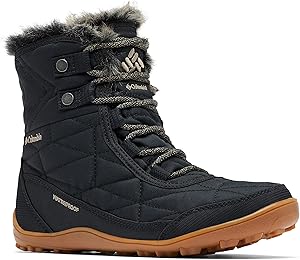
5. Columbia Minx Shorty III – Women’s
-
Insulation & Warmth: 200g insulation with Omni-Heat reflective lining, rated to -25°F/-32°C
-
Upper Construction: Waterproof woven textile and suede with faux-fur collar and tongue lining
-
Footbed: Removable contoured PU footbed for cushioned comfort
-
Outsole: Omni-Grip non-marking traction rubber for icy and snowy terrain
The Columbia Minx Shorty III is a stylish and practical winter boot designed for cold, snowy days. Its waterproof woven textile upper and suede construction, combined with the Omni-Tech seam-sealed membrane, do an excellent job of keeping your feet dry. Inside, the plush faux-fur lining and 200g insulation paired with Omni-Heat reflective technology ensure lasting warmth even in frigid conditions. The short, ankle-high profile makes these boots incredibly lightweight and easy to move in, while the Omni-Grip outsole offers reliable traction on icy trails, slushy sidewalks, and packed snow. They’re also cute enough to wear with jeans or leggings for casual winter outings.
Despite their performance and comfort, the Minx Shorty III may not be ideal for everyone. These boots run a bit narrow, especially for those with wider feet or high arches, and they require a short break-in period. Some wearers recommend adding athletic tape or cushioned socks during initial use. That said, once broken in, they hold up well for light hiking and playing in the snow, keeping feet warm and dry. They aren’t built for rugged backcountry treks, but they’re perfect for everyday winter use, light outdoor activity, and casual wear in cold climates.
Pros:
- Warm and cozy with excellent insulation and reflective lining
- Lightweight and flexible for comfortable everyday wear
- Great traction on snow and ice
- Stylish design that pairs well with casual outfits
Cons:
- Runs narrow—may not suit wider feet
- Not ideal for long or technical hikes
- Laces and zippers are not waterproof
See the Columbia Minx Shorty III – Women’s
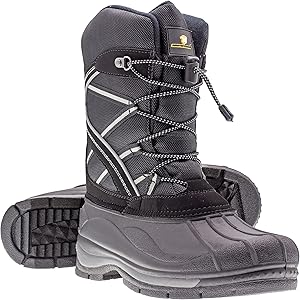
6. ArcticShield Balto
-
Insulation: Patented Retain™ technology captures over 90% of body heat for superior warmth
-
Waterproofing: Fully waterproof construction with bungee closure to keep out snow and slush
-
Outsole: Rugged, slip-resistant rubber with all-terrain tread and lightweight protective base
-
Closure: Lace-free pull-on design with bungee cord for easy wear and snug fit
The ArcticShield Balto men’s winter boots offer impressive insulation and weather protection, ideal for cold, wet, and snowy conditions. Featuring Arctic Shield’s patented Retain™ heat technology, these boots trap more than 90% of body heat while remaining lightweight and comfortable. The waterproof exterior and sealed construction ensure that feet stay dry, even when trekking through slush or deep snow. With their rugged outsole, the Balto boots grip well across icy and uneven terrain. Plus, the slip-on style with bungee cords makes them easy to wear without the hassle of laces, offering both convenience and functionality for daily winter tasks or outdoor adventures.
However, the fit and quality control of these boots could use improvement. Many users report sizing issues—running smaller than expected, even when sizing up. In some cases, the insoles were uneven in thickness and poorly secured, causing discomfort. For someone with sensitive feet or medical concerns like diabetes, a proper fit is essential, and these boots may fall short unless carefully sized. That said, ArcticShield’s customer service is responsive and helpful, offering full refunds when problems arise. If you get the right size and add custom insoles, these boots can still be a budget-friendly choice for staying warm and dry in winter.
Pros:
- Excellent heat retention with Retain™ insulation
- Fully waterproof with easy-to-use bungee closure
- Slip-resistant outsole handles all winter terrain
- Lightweight and easy to slip on
Cons:
- Sizing runs small and narrow
- Insole quality and consistency issues
- May require custom insoles for optimal comfort
7. ROCKMARK Winter Boots

-
Sole Material: Durable non-slip rubber with 3D lugs for added traction and shock absorption
-
Lining: Full fur-lined interior with memory foam collar for warmth and comfort
-
Waterproofing: Seam-sealed waterproof construction for dry feet in wet winter conditions
-
Support & Stability: Anti-slip outsole compound designed for rugged, muddy, and snowy terrain
The ROCKMARK Winter Boots are built to handle cold, wet, and challenging winter environments with comfort and stability. Featuring a rugged rubber sole with three-dimensional lugs, these boots provide excellent grip on icy sidewalks, muddy roads, and snowy trails. The full fur lining and memory foam around the collar deliver cozy warmth and prevent rubbing, making long wear comfortable. Even in zero-degree temperatures, they maintain interior warmth, keeping feet toasty during full days outdoors. For rural workers, hikers, or anyone regularly on the move in cold climates, these boots offer practical features in a lightweight, durable design.
While the boots perform well in cold conditions, there are minor limitations. Although marketed as waterproof, some users noticed dampness after prolonged exposure to snow—likely due to sweat combined with thick socks rather than actual leaks. The break-in period may also be noticeable at first, especially if you’re on your feet all day. That said, once broken in, the boots become a dependable choice for everyday winter wear. They balance warmth, grip, and support, and with proper care, should last several seasons. For the price and performance, they’re a smart investment for tackling daily winter chores or snowy adventures.
Pros:
- Excellent grip with anti-slip rubber sole
- Fully fur-lined for consistent warmth and comfort
- Lightweight but rugged enough for all-day use
- Ideal for cold-weather walking, work, or casual use
Cons:
- May not be fully waterproof under prolonged snow exposure
- Requires a short break-in period for optimal comfort
See the ROCKMARK Winter Boots See the Women’s ROCKMARK Boots
How to Choose Winter Snow Boots for Wide Feet?
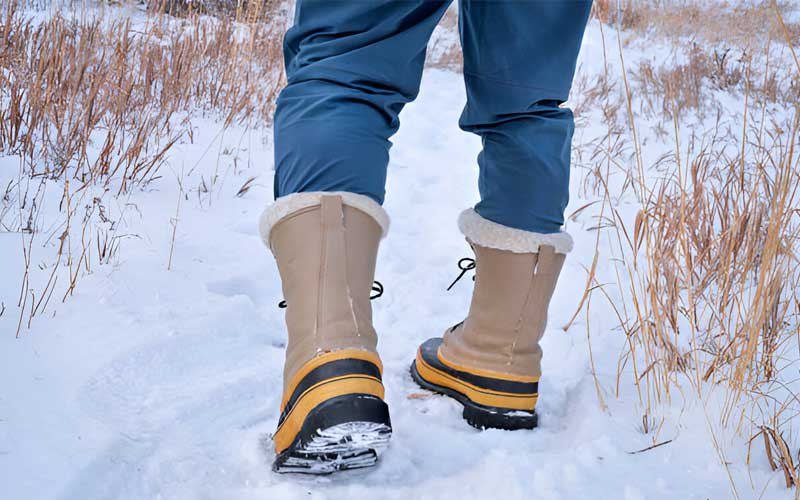
Finding the perfect pair of snow boots can be challenging—especially if you have wide feet. While many boots are built for standard foot shapes, those with wider feet often face issues like tight toe boxes, discomfort, or poor circulation in cold weather. The wrong fit can cause pain, blisters, and even risk frostbite if circulation is restricted. To stay warm, dry, and comfortable all winter, you need snow boots that provide both a wider fit and all the essential winter features.
This article walks you through everything you need to know to choose the right snow boots for wide feet—from sizing and materials to insulation, waterproofing, and traction. Whether you’re hiking in snow, walking the dog, or just commuting through slushy streets, the right boots can make winter feel a lot more manageable.
1. Know Your Size and Foot Shape
The first step in choosing boots for wider feet is understanding your foot shape. Not all wide feet are the same—some are wide at the toe box, while others are wider around the midfoot or heel. Measure your foot width and length properly, ideally at the end of the day when your feet are slightly swollen.
Look for brands that offer wide or extra-wide sizing rather than just going up a size. Going up a size can sometimes help, but often results in boots that are too long and not supportive enough, leading to foot fatigue or blisters.
Many reputable outdoor brands like Columbia, Keen, Merrell, and Bogs offer wide-width models specifically designed for broader feet.
2. Check for a Roomy Toe Box
The toe box is crucial when selecting boots for wide feet. A narrow toe box can compress your toes and limit circulation, which is especially risky in freezing temperatures. Choose boots with a round or square toe box that gives your toes room to move without rubbing against the sides.
A roomy toe box also allows for thicker winter socks, which add an extra layer of warmth and comfort. Some boots include a removable footbed that can be replaced with custom orthotics or wider insoles for an even better fit.
3. Prioritize Waterproofing
Snow, slush, and ice can soak your boots quickly if they’re not waterproof. Look for snow boots with features like:
-
Seam-sealed waterproof construction
-
Waterproof leather or synthetic uppers
-
Gusseted tongues (to prevent snow from entering through the laces)
-
Rubber outsoles and lower shells for added water protection
If you have wide feet, be cautious with boots that use zippers. While convenient, zippers can sometimes create tight spots or be harder to close. Look for models that use adjustable laces or bungee cords, which can better accommodate wide feet.
4. Choose Proper Insulation for Cold Conditions
Good winter boots should keep your feet warm in freezing temperatures. Wide feet may be more prone to cold if boots are too tight, reducing insulation effectiveness and blood flow.
Look for boots with high-quality insulation such as:
-
200g to 400g synthetic insulation for cold climates
-
Thinsulate™ for lightweight but effective warmth
-
Faux fur linings for extra comfort and heat retention
-
Omni-Heat™ reflective lining (used in Columbia boots) for heat reflection without bulk
If you live in extremely cold areas or spend long hours outdoors, opt for a boot rated to -25°F (-32°C) or lower.
5. Look for Breathable Materials
Your feet can sweat even in the cold. That’s why breathability is just as important as insulation. Boots that trap moisture can lead to cold, clammy feet and increase the chance of blisters or fungal infections.
Look for boots with breathable membranes (such as Gore-Tex or Omni-Tech), and avoid rubber boots without insulation unless paired with moisture-wicking socks. Also, boots with removable insoles or liners allow you to dry them out overnight, which is useful if you’re wearing them daily.
6. Pay Attention to Traction and Outsoles
Icy sidewalks, snow-covered trails, and slushy roads demand dependable traction. Your boots should also a grippy sole that offers stability.
Look for features like:
-
Rubber outsoles with deep lugs
-
Multi-directional tread patterns
-
Slip-resistant materials
-
Non-marking soles if you’ll be wearing them indoors
Brands like Columbia use Omni-Grip™, while ArcticShield and Merrell also offer rugged outsole designs. More aggressive tread helps prevent slips on ice, while wide platforms offer more balance for broader feet.
7. Ease of Entry and Adjustability
For wide feet, ease of putting on and taking off boots is important. Look for boots with:
-
Wide openings or gusseted collars
-
Dual zippers or lace-up fronts for adjustability
-
Pull tabs or handles for easier entry
-
Bungee cords that allow flexible tightening
Avoid boots with stiff openings that don’t stretch, as they can make it difficult to get your foot in comfortably, especially when wearing thick socks.
8. Try Before You Buy (or Buy from Return-Friendly Stores)
Fit is everything. If possible, try on boots in-store with the socks you plan to wear in winter. Walk around, stand on your toes, and test how they feel after a few minutes.
If you’re ordering online, choose retailers with generous return policies, so you can test the fit at home. Don’t settle for boots that feel tight out of the box—this will only get worse once you’re outside in freezing weather.
9. Consider Use Case: Everyday vs. Activity-Specific Boots
Not all snow boots are created equal. For example:
-
Everyday wear: Lightweight, waterproof boots with modest insulation and good style (e.g., Columbia Minx Shorty III)
-
Hiking or snowshoeing: Durable, high-traction boots with better ankle support and deep tread (e.g., Columbia Bugaboot or Keen Revel)
-
Work boots: Rugged and reinforced models with waterproof leather and heavy insulation
-
Après-ski or casual use: Comfortable slip-on boots with faux fur lining and warm footbeds
Match your boot type to your winter lifestyle to avoid overpaying or underdressing.
10. Look for Brands That Support Wide Feet
Some brands consistently deliver better options for wide feet. Here are a few to consider:
-
Columbia – Offers both standard and wide options with Omni-Tech waterproofing and Omni-Heat insulation
-
Keen – Known for naturally wide toe boxes and rugged outsoles
-
Merrell – Offers supportive, insulated boots with excellent arch support
-
Bogs – Excellent for wet and slushy environments with pull-on designs
-
ArcticShield – Budget-friendly and well-insulated, though sizing may vary
Final Thoughts
Choosing winter snow boots for wide feet doesn’t have to be frustrating. Focus on the core features—width, insulation, waterproofing, breathability, and traction—and match your boot to your activity level and climate. Make sure you leave enough room for socks, and don’t forget that proper fit is key to warmth, comfort, and long-term foot health.
With the right pair, you can enjoy winter without discomfort, whether you’re trekking through snowbanks or simply walking to work on a frosty morning.