Best Ultralight Backpacking Quilts of 2026
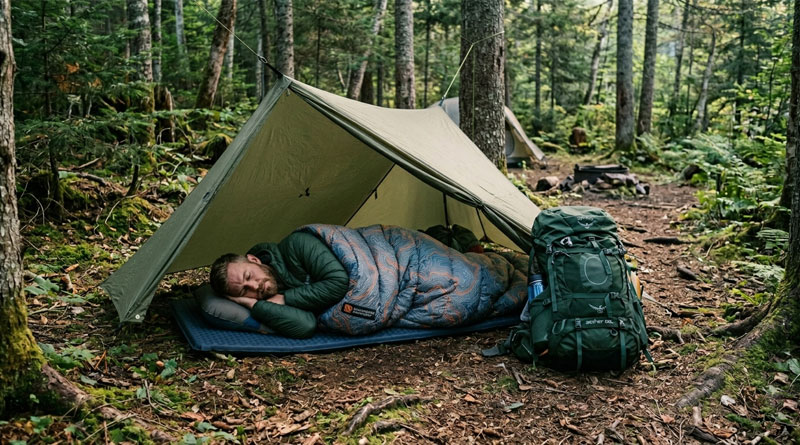
For backpackers who want to move fast and pack light, a quilt is the ultimate sleep setup. Unlike a traditional mummy bag, a quilt saves weight by ditching the hood and back insulation you don’t need. This guide breaks down the best ultralight quilts on the market, helping you find the perfect balance of warmth, weight, and packability for your next adventure.
1. OneTigris Featherlite

- Outer Material: 20D Ripstop Nylon
- Inner Lining: 380T Polyester Pongee
- Weight: 35oz (1000g)
- Dimensions: 200cm x 85cm (6.6ft x 2.8ft)
The OneTigris Featherlite is a budget-friendly backpacking quilt that prioritizes breathability and movement. Utilizing a 20D Ripstop Nylon shell and soft polyester lining, it offers a wind-proof yet comfortable sleeping environment. Its hollowed back design is specifically engineered to integrate with sleeping mats, ensuring efficient insulation distribution while eliminating the restrictive feel of traditional mummy bags. The convertible footbox is a standout feature for heat regulation.
Weighing 35oz and compressing to the size of a gallon jug, this quilt is highly portable for multi-season adventures. It provides a spacious sleeping area and maintains warmth down to 41°F, making it a solid choice for spring through autumn. Whether used alone or paired with an underquilt for winter, its combination of lightweight construction and functional design offers great value for hikers looking to shed weight without breaking the bank.
- Pros: Ultra-lightweight, breathable, convertible footbox, spacious
- Cons: Not suitable for extreme cold, limited color options
2. REI Co-op Magma

- Temperature Rating: 30°F (-1°C)
- Insulation: 850-fill-power water-resistant goose down
- Shell & Lining: 15D recycled ripstop nylon
- Weight: 1 lb. 4.3 oz. (Medium)
The REI Co-op Magma is a premium choice for ultralight enthusiasts who demand high thermal efficiency. It features 850-fill-power goose down treated for water resistance, ensuring the loft remains effective even in damp conditions. The 15D recycled ripstop nylon shell provides durability while remaining environmentally conscious. Design elements like the adjustable footbox and top draft tube work together to seal in warmth and prevent cold air from entering during the night.
Variable baffle spacing is utilized to keep the down from shifting, maintaining consistent warmth across the body. The quilt is designed for easy integration with sleeping pads, providing a stable sleep system that mimics a home bed. Available in inclusive sizing, the Magma balances a lightweight profile with serious three-season performance. It is a reliable, high-performance companion for backpackers who want to minimize their pack weight while maximizing comfort on the trail.
- Pros: Water-resistant down, adjustable footbox, lightweight, multiple sizes
- Cons: Higher price, not ideal for extremely cold weather
3. Travel Bird Top Quilt
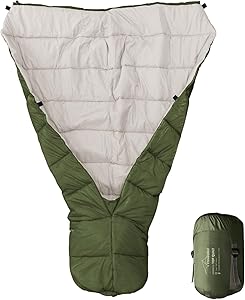
- Fabric: 40D Nylon Jacquard
- Insulation: 250g Spun Cotton
- Dimensions: 74.8″ x 57″
- Weight: 2.4 lbs
The Travel Bird Top Quilt is a highly versatile and affordable solution specifically tailored for hammock campers. Its zipper-free construction is a major benefit, as it prevents accidental damage to delicate hammock fabrics while allowing for effortless entry and exit. The quilt features a convertible footbox that helps retain heat during cooler nights, and the machine-washable cotton lining ensures that maintenance is simple after long trips in the woods.
Equipped with adjustable elastic drawstrings and woven connection holes, this quilt can be easily secured to air pads or mattresses for added stability. While it uses synthetic spun cotton insulation, it remains relatively compact, fitting into a small stuff sack for easy transport. Rated for moderate conditions between 7°C and 15°C, it serves as a practical, multi-functional sleeping system for those who enjoy the flexibility of switching between hammocks and traditional tents.
- Pros: Zipper-free design, compact, versatile, washable lining
- Cons: Not for extreme cold, synthetic insulation may feel heavier than down
4. SENSORY4U Top Quilt

- Insulation: 850-fill power down
- Weight: 1.9 lbs
- Temperature Rating: 30°F Comfort, 20°F Survival
- Design: Footbox with pad straps
The SENSORY4U Top Quilt is designed for backpackers who want the luxury of high-fill power down at an accessible price point. The 850-fill power insulation offers an impressive warmth-to-weight ratio, providing a cozy sleep environment without adding unnecessary bulk to your pack. The integrated footbox is shaped to allow for natural foot movement, while the included strap system ensures the quilt stays firmly attached to your sleeping pad throughout the night.
At just 1.9 lbs, this quilt is exceptionally packable, making it a favorite for long-distance hikers. It eliminates the claustrophobic constraints of a mummy bag, offering freedom of movement while maintaining a comfort rating of 30°F. This makes it a dependable three-season option for various weather conditions. Its blend of lightweight portability and superior insulation makes it a strong contender for anyone looking to upgrade their backcountry sleep system without a massive investment.
- Pros: Lightweight, highly warm, footbox comfort, easy pad attachment
- Cons: Less suitable for extreme winter, no synthetic option
5. ENO Spark

- Insulation: Recycled polyester fibers
- Dimensions: 78 x 53 inches
- Weight: 1 lb. 9 oz.
- Design: 3-in-1 quilt, blanket, or bag
The ENO Spark is a multipurpose hammock top quilt that shines in its adaptability. It can function as a traditional quilt, an open blanket, or a minimalist sleeping bag, depending on your needs. The dual-layer offset-quilted construction is specifically designed to maximize loft and eliminate the cold spots often found in cheaper synthetic gear. Using recycled polyester insulation, it provides consistent warmth in moderate temperatures ranging from 40°F to 60°F.
This quilt features a durable water-repellent shell that provides a necessary layer of protection against wind and light moisture. Its generous dimensions accommodate users up to 6’2″, yet it remains lightweight at only 1 lb. 9 oz. Whether you are sleeping in a hammock, a tent, or the back of a van, the Spark offers a sustainable and highly packable solution. It is an excellent choice for weekend warriors looking for a versatile, eco-friendly gear option.
- Pros: Lightweight, versatile, water-resistant, large fit
- Cons: Not ideal for sub-40°F nights, synthetic insulation less compressible than down
6. ENO Vesta

- Insulation: Dual-layer PrimaLoft Gold/Black
- Dimensions: 78 x 53 inches
- Weight: 1 lb. 12 oz.
- Design: 2-in-1 with zippered footbox
The ENO Vesta is engineered for those who need a bit more warmth during their hammock camping trips. It utilizes high-end PrimaLoft Gold and Black insulation in a dual-layer configuration to provide superior thermal retention. The offset-quilted design ensures that the insulation remains evenly distributed, while the DWR-coated shell shields the user from wind and dampness. Its 2-in-1 design allows it to convert from a dedicated hammock quilt to a standard camp quilt easily.
This model features a zippered footbox and an adjustable draft collar, which are essential for sealing in body heat when temperatures drop toward 30°F. Despite its robust insulation, it remains relatively light at 1 lb. 12 oz. and fits taller users comfortably. The inclusion of a large mesh storage bag helps maintain the loft of the PrimaLoft fibers over time. It is a reliable and adaptable sleeping system for campers who prioritize protection from the elements.
- Pros: Dual-layer insulation, versatile, wind-resistant, lightweight
- Cons: Limited to moderate cold, synthetic insulation less compressible than down
7. WIND HARD Twilight

- Fabric: 10D ultralight nylon
- Insulation: 800FP down pro
- Weight: 559g total
- Temperature Rating: 32°F Comfort, 23°F Limit
The WIND HARD Twilight is a specialized ultralight down quilt designed for serious backcountry travelers. It features high-quality 800FP down pro insulation, which provides exceptional fluffiness and thermal performance for its weight. The 10D nylon shell uses anti-drilling technology to prevent feathers from escaping, ensuring long-term durability. To create a stable sleep system, the quilt includes back buttons and a dedicated pad strap system that keeps the insulation centered over the sleeper.
With a total weight of only 559g, the Twilight is one of the most portable options available for cold-weather camping. The warm seam design is a critical feature that prevents cold spots, ensuring comfort down to freezing temperatures. While it may require some air drying to regain its full loft after being compressed, its packability and warmth make it an outstanding choice for backpackers who need to move fast and light without sacrificing sleep quality.
- Pros: Ultralight, warm, compact, pad attachment system
- Cons: Limited size options, may require pre-use fluffing
8. WIND HARD Tiny PRO

- Fabric: 10D ultralight nylon
- Insulation: 800FP ultra-dry down pro
- Weight: 835g total
- Temperature Rating: 28°F Comfort, 18°F Limit
The WIND HARD Tiny PRO is a multifunctional powerhouse designed for adventurers who need gear that can do it all. Its 10D ultralight nylon shell houses 800FP ultra-dry down pro, which offers excellent insulation even in damp environments. Thanks to a clever system of straps and hidden zippers, this product can be configured as a standard quilt, a traditional sleeping bag, or a hammock top quilt, providing unmatched versatility for various outdoor scenarios.
Weighing 835g total, it remains highly portable while offering a comfort rating of 28°F. The adjustable foot drawstrings allow for a custom fit, ensuring maximum heat retention when the temperature drops. This quilt comes with both compression and mesh storage bags, making it easy to manage both on the trail and at home. For the serious backpacker who values flexibility, warmth, and a compact footprint, the Tiny PRO is a top-tier functional sleeping solution.
- Pros: Multifunctional, warm, compact, adjustable fit
- Cons: Slightly heavier than ultralight quilts, synthetic feel compared to down
The Ultimate Guide to Choosing Ultralight Backpacking Quilts
For decades, the mummy sleeping bag was the undisputed king of the backcountry. However, as the “Ultralight” movement shifted from a fringe subculture to the industry standard, a new contender emerged: the backpacking quilt. By removing the hood and the bottom insulation—which typically gets compressed under your body weight and loses its thermal efficiency anyway—quilts offer an incredible warmth-to-weight ratio that traditional bags simply cannot match.
Choosing the right quilt is more than just picking a temperature rating. It requires an understanding of materials, dimensions, and your own sleep style. This guide breaks down every factor you need to consider to find your perfect backcountry sleep system.
Understanding Quilt Construction: Why Less is More
The philosophy behind a quilt is rooted in physics. Insulation works by trapping still air (loft). When you lie on the bottom of a traditional sleeping bag, you compress the down or synthetic fill, squeezing the air out and rendering that section functionally useless for warmth. A quilt eliminates this redundant material, relying instead on a high-quality sleeping pad to provide insulation from the ground.
This design results in several benefits:
- Weight Savings: Removing the zipper, hood, and bottom fabric saves anywhere from 5 to 10 ounces.
- Versatility: On warm nights, you can drape the quilt over you like a blanket. On cold nights, you can cinch it tight.
- Freedom of Movement: For side sleepers or those who toss and turn, quilts eliminate the “claustrophobic” feeling of a narrow mummy bag.
Insulation Types: Down vs. Synthetic
The heart of your quilt is its insulation. While there are pros and cons to both, the ultralight community overwhelmingly favors down.
Down Insulation
Down is the plumage found under the feathers of ducks and geese. It is the gold standard for warmth-to-weight. When looking at down, you must consider Fill Power (FP). This measures the volume one ounce of down occupies. A higher fill power (e.g., 850, 900, or 950) means the down is loftier, warmer for its weight, and more compressible.
Most modern quilts use “DriDown” or hydrophobic down, which is treated with a water-resistant polymer. This helps the down maintain loft if it gets damp from condensation, addressing the traditional weakness of natural down.
Synthetic Insulation
Synthetic insulation (like Climashield APEX) is made of polyester filaments. It is heavier and bulkier than down, but it has one major advantage: it retains warmth even when soaking wet. It is also significantly cheaper and easier to wash. Synthetic quilts are excellent for budget-conscious hikers or those trekking in consistently humid, rainy environments.
Temperature Ratings and Baffle Design
Unlike sleeping bags, which often use standardized ISO/EN testing, quilt ratings are often determined by the manufacturer. This means a 20°F quilt from one brand might feel like a 30°F quilt from another.
Limit vs. Comfort Ratings
When choosing a rating, always ask if it is a “comfort” or “limit” rating. A comfort rating is the temperature at which a cold sleeper will stay warm. A limit rating is the lowest temperature a warm sleeper can survive without shivering. If you are a “cold sleeper,” always add 10 degrees of buffer to your choice.
Baffle Orientation
Baffles are the sewn chambers that keep the down from shifting. There are two main types:
- Vertical Baffles: These run from head to toe. They prevent down from sliding off your sides and falling to the edges of the quilt.
- Horizontal Baffles: These allow you to manually shift the down. On a cold night, you can shake the down to the center; on a warm night, you can push it to the sides.
Selecting the Right Dimensions: Width and Length
Sizing is where most first-time quilt buyers make mistakes. Because a quilt doesn’t wrap all the way around you, “drafting” (cold air entering the sides) is a risk.
The Importance of Width
If you are a back sleeper who remains still, a 50-inch (standard) width may suffice. However, if you sleep on your side or stomach, your knees and elbows will likely push against the edges of the quilt. For most hikers, a Wide (54–58 inches) quilt is the safest bet. It provides enough “overhang” to seal against the sleeping pad, preventing cold drafts when you move.
Length Considerations
A quilt should typically reach your chin. If you plan on camping in sub-freezing temperatures, you may want a “Long” version that you can pull over your head or tuck around your neck. Most manufacturers provide height charts; stay within their recommendations unless you are a dedicated stomach sleeper (which stretches your body out further).
Footbox Design: Sewn vs. Zippered
The footbox is the bottom section where your feet rest. There are two primary styles:
Sewn Footbox
A sewn footbox is permanently closed. This is the warmest option because there are no gaps for air to leak through, and it saves the weight of a zipper and drawcord. It is the preferred choice for dedicated winter or shoulder-season hikers.
Zippered/Drawcord Footbox
This design allows you to unzip the bottom and lay the quilt completely flat like a blanket. This is incredibly useful for summer trips or for ventilating your feet if they get too hot. However, it creates a small “plug” hole at the bottom that must be stuffed with a sock or buffered with a draft plug in cold weather.
The Attachment System: Sealing Out the Cold
Since a quilt has no back, it must be secured to your sleeping pad to prevent it from sliding off. Most ultralight quilts come with a system of elastic straps and clips.
A good pad attachment system allows you to:
- Tighten the quilt under your body to trap heat.
- Loosen the quilt for more “wiggle room.”
- Keep the quilt centered on the pad so you don’t wake up on the bare fabric of the mattress.
Look for systems that use “flat” buckles, as bulky clips can be uncomfortable to lie on.
Essential Accessories: Head Insulation
Because quilts lack a hood, you lose a significant amount of heat through your head. Your choice of headwear is an extension of your sleep system.
- Beanies: Sufficient for temperatures above 40°F.
- Down Balaclavas/Hoods: Essential for freezing temperatures. These “standalone” hoods move with your head and are often more comfortable than integrated sleeping bag hoods.
- Buffs: Great for sealing the gap around your neck to prevent the “chimney effect” where warm air escapes the top of the quilt.
Final Summary: The Checklist
To choose the perfect quilt, follow this checklist:
- Identify your lowest expected temperature: Subtract 10 degrees for safety.
- Choose your fill: 850+ fill power down for the best weight, or synthetic for wet/budget trips.
- Pick your width: Go “Wide” if you are a side sleeper or active sleeper.
- Decide on the footbox: Sewn for warmth, zippered for versatility.
- Verify the pad attachment: Ensure it includes straps to prevent drafts.
Switching to an ultralight quilt is one of the most effective ways to drop your “base weight” while actually increasing your sleeping comfort. By understanding the nuances of loft, dimensions, and drafting, you can move faster on the trail and sleep better under the stars.