
Best Polarized Sunglasses for Hiking of 2026
When you’re out on the trail, glare from the sun can hide roots, rocks, and uneven ground, making your hike harder and less safe. That’s why a great pair of polarized sunglasses is an essential piece of gear. They cut through the harsh light, sharpen details, and protect your eyes so you can stay focused on the path ahead. Here are the best options for your next adventure.
1. goodr OGs

- UV Protection: 100%
- Lens Material: TAC
- Frame Material: Copolyester
- Fit Width: Narrow
The goodr OGs polarized sunglasses are designed for active users who want both personality and performance. Their standout feature is the nonslip frame, which ensures they stay firmly in place even during high-movement activities like trail running or cycling. The polarized TAC lenses effectively reduce glare, making them ideal for bright outdoor conditions such as rocky trails or open roads.
Comfort is another strong point. The lightweight copolyester frame sits well on the face without causing pressure, especially for users with narrower fits. While they are not photochromic, the 100% UV protection ensures your eyes remain shielded from harmful rays. Overall, these sunglasses deliver a great mix of durability, comfort, and fun styling.
- Pros: Nonslip design, lightweight, excellent glare reduction
- Cons: Narrow fit may not suit everyone, no photochromic feature
2. KALIYADI Polarized Sunglasses
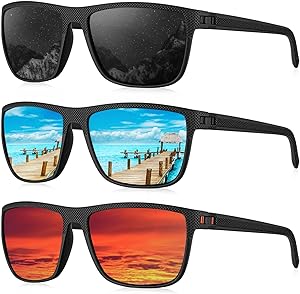
- UV Protection: UV400
- Lens Type: HD Polarized
- Frame Design: Rectangle
- Package: 3 pairs included
KALIYADI polarized sunglasses offer impressive value, especially with a multi-pack option. The HD polarized lenses provide excellent clarity while reducing glare and blocking harmful UVA and UVB rays. This makes them a reliable choice for everyday outdoor activities like driving, walking, or fishing.
The classic rectangular frame design ensures they remain stylish and versatile. Built with lightweight materials and spring hinges, they are comfortable for extended wear. While they may not match premium brands in durability, they excel in affordability and practicality, making them a solid everyday option.
- Pros: Affordable multi-pack, good UV protection, stylish design
- Cons: Build quality is average, limited premium features
See the KALIYADI Polarized Sunglasses
3. Suncloud Cookie – Women’s

- UV Protection: 100%
- Lens Material: Polycarbonate
- Fit Width: Medium
- Lens Width: 64 mm
The Suncloud Cookie sunglasses are designed specifically for women seeking both coverage and style. Their slightly oversized design offers enhanced protection against sunlight, making them great for long outdoor days. The polarized lenses reduce glare effectively while maintaining clear vision.
The frame is comfortable and durable, with a medium fit that suits most face shapes. With multiple tint options, users can choose based on lighting conditions. While they lean more toward lifestyle use, they still perform well during light outdoor activities.
- Pros: Large coverage, stylish, good glare reduction
- Cons: Not ideal for intense sports, slightly bulky
4. FEIDUSUN Sunglasses
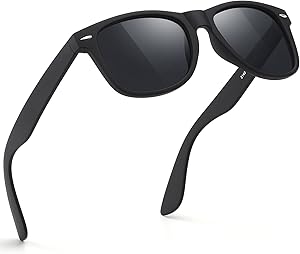
- Lens Type: TAC Polarized
- Frame Style: Square
- UV Protection: UVA/UVB Blocking
- Weight: Lightweight
FEIDUSUN sunglasses combine retro aesthetics with modern functionality. The square frame design is timeless and suits a wide range of face shapes. The polarized lenses help reduce glare from reflective surfaces, making them useful for driving and outdoor activities.
The lightweight build enhances comfort, especially during long wear. Although not a premium product, they provide decent durability and visual clarity. These sunglasses are a practical choice for users looking for stylish, budget-friendly eyewear.
- Pros: Stylish design, lightweight, good glare reduction
- Cons: Basic build quality, limited advanced features
5. Knockaround Premiums Sport

- UV Protection: 100%
- Lens Material: TAC
- Frame Material: Polycarbonate
- Fit Width: Medium
Knockaround Premiums Sport sunglasses are built for performance-focused users. They feature a lightweight yet durable frame that stays in place during runs or workouts. The polarized lenses effectively reduce glare and enhance clarity in bright conditions.
These sunglasses offer multiple lens tint options, making them versatile for different lighting environments. While they are sporty in design, they also work well for casual wear. Overall, they strike a great balance between functionality and affordability.
- Pros: Secure fit, lightweight, multiple tint options
- Cons: Basic styling, limited adjustability
See the Knockaround Premiums Sport
6. goodr Circle Gs

- UV Protection: 100%
- Lens Material: TAC
- Frame Material: Polycarbonate
- Fit Width: Narrow
goodr Circle Gs sunglasses stand out with their rounded lens design and vibrant style. They provide solid performance with polarized lenses that reduce glare and improve visibility. The nonslip frame ensures they stay secure during movement.
These sunglasses are best suited for users who prefer a narrow fit and a fashionable look. They are lightweight and comfortable, making them ideal for casual outdoor activities and light sports.
- Pros: Stylish design, secure fit, lightweight
- Cons: Narrow fit, limited coverage
7. goodr Mach G

- UV Protection: 100%
- Lens Material: TAC
- Fit Width: Medium
- Lens Width: 58 mm
The goodr Mach G sunglasses bring aviator style into active use. They feature a lightweight frame that resists slipping and bouncing, making them suitable for outdoor sports. The polarized lenses offer clear vision and reduce glare effectively.
With a medium fit and larger lenses, they provide good coverage. The design is both functional and stylish, making them versatile for both athletic and casual wear.
- Pros: Stylish aviator design, stable fit, good coverage
- Cons: Limited adjustability, no photochromic lenses
8. Sunski Yuba

- UV Protection: 100%
- Lens Material: Triacetate Cellulose
- Frame Material: Recycled Polycarbonate
- Fit Width: Medium
The Sunski Yuba polarized sunglasses are built for outdoor enthusiasts who value sustainability and performance. The lenses effectively reduce glare while maintaining natural color clarity, making them ideal for bright environments like beaches or hiking trails. Their lightweight design ensures comfort during extended wear.
One standout feature is the eco-friendly frame made from recycled materials, which adds an environmental benefit without compromising durability. The medium fit suits a wide range of users, and the interchangeable lens capability adds versatility. Overall, these sunglasses balance style, function, and sustainability very well.
- Pros: Eco-friendly materials, lightweight, interchangeable lenses
- Cons: Limited lens options included, basic styling
9. Tifosi Swank

- UV Protection: 100%
- Lens Material: Polycarbonate
- Frame Material: Grilamid TR-90 Nylon
- Fit Width: Medium
The Tifosi Swank polarized sunglasses combine retro aesthetics with modern performance. Their lightweight frame ensures all-day comfort, while the polarized lenses reduce glare effectively in bright conditions. They are particularly useful for casual outdoor activities and everyday wear.
The Glide technology allows the sunglasses to slide on easily without pulling hair, which adds to the overall user experience. With a durable nylon frame and a secure fit, they stay in place during movement. These sunglasses offer a great mix of style and functionality at an accessible price.
- Pros: Lightweight, comfortable fit, stylish retro design
- Cons: Limited sporty features, basic adjustability
10. Sunski Dipseas

- UV Protection: 100%
- Lens Material: Triacetate Cellulose
- Frame Material: Polycarbonate
- Fit Width: Medium
The Sunski Dipseas polarized sunglasses offer a blend of outdoor functionality and urban style. Their slightly smaller lenses and slim arms give them a modern look while still providing adequate eye protection. The polarized lenses help reduce glare and enhance clarity in sunny conditions.
These sunglasses are comfortable for daily wear and fit well on most face shapes. The low bridge fit is particularly beneficial for users who struggle with standard frames. While they are not designed for intense sports, they perform well for casual activities and travel.
- Pros: Stylish design, comfortable fit, good glare reduction
- Cons: Smaller coverage, not ideal for high-intensity sports
11. Sunski Makani

- UV Protection: 100%
- Lens Material: Triacetate Cellulose
- Frame Material: Polycarbonate
- Fit Width: Medium
The Sunski Makani polarized sunglasses stand out with their subtle cat-eye shape and vibrant styling. They are designed to offer both visual appeal and reliable sun protection. The polarized lenses reduce glare effectively while maintaining natural color tones.
With a lightweight frame and comfortable fit, they are suitable for extended wear. The mirrored lenses add a modern touch, making them a fashionable choice for outdoor and casual use. While they are more style-focused, they still provide solid performance for everyday activities.
- Pros: Stylish design, lightweight, good UV protection
- Cons: Limited technical features, less sporty performance
12. goodr Bolt G

- UV Protection: 100%
- Lens Material: TAC
- Frame Material: Copolyester
- Fit Width: Medium
The goodr Bolt G polarized sunglasses are designed for high-performance activities. Their half-rim frame and adjustable nosepiece ensure a secure and customizable fit, especially during intense workouts. The polarized lenses effectively reduce glare, improving visibility in bright conditions.
These sunglasses are lightweight and engineered to prevent slipping or bouncing, making them ideal for running and training sessions. The wraparound design offers excellent coverage, enhancing protection from sunlight. Overall, they are a strong choice for athletes seeking reliable eyewear.
- Pros: Secure fit, adjustable nosepiece, excellent for sports
- Cons: Sport-specific design, less casual versatility
The Peak of Clarity: How to Choose Polarized Sunglasses for Hiking
For any hiker, the gear list usually begins with the essentials: a sturdy pair of boots, a reliable pack, and moisture-wicking layers. However, one of the most critical pieces of equipment often receives the least amount of technical scrutiny—your eyewear. When you are navigating a high-altitude ridgeline or trekking through a sun-drenched valley, your eyes are under constant assault from UV radiation and blinding glare. Choosing the right polarized sunglasses isn’t just about fashion; it is about safety, depth perception, and long-term ocular health.
Understanding the Power of Polarization
To choose the right pair, you first need to understand what polarization actually does. Standard tinted lenses simply darken your field of vision. While this helps with squinting, it does nothing to combat “optical noise.” Glare occurs when light waves hit a horizontal surface—like a mountain lake, a patch of snow, or even a wet granite slab—and reflect back into your eyes at a concentrated horizontal angle.
Polarized lenses contain a special chemical filter that blocks these horizontal light waves. Think of it like a picket fence that only allows vertical light to pass through. For hikers, this means you can see through the surface of water to spot submerged rocks during a creek crossing, and you can see the texture of the trail rather than a wash of white light. This increased contrast is vital for preventing trips and falls on technical terrain.
The Anatomy of a Hiking Lens
Beyond the polarization filter, the base material and tint of the lens play a massive role in your hiking experience. Not all lenses are created equal, and the “best” choice often depends on your specific environment.
Lens Materials: Glass vs. Polycarbonate
Most high-end hiking sunglasses use one of two materials:
- Polycarbonate: The gold standard for hiking. It is lightweight, impact-resistant (essential if a branch snaps back at your face), and offers built-in UV protection. However, it scratches more easily than glass.
- Glass: Offers the best optical clarity and is highly scratch-resistant. The downside? It is heavy and can shatter upon impact, making it less ideal for rugged, high-movement scrambles.
The Science of Lens Tints
The color of your lens dictates how much contrast you perceive in different lighting conditions:
- Gray/Green: These are neutral tints. They reduce brightness without distorting colors. They are perfect for bright, blue-bird days on open trails.
- Brown/Amber/Copper: These are the favorites of many trail enthusiasts. They enhance contrast and depth perception by filtering out blue light. This makes it easier to spot roots, rocks, and changes in soil texture.
- Yellow/Rose: Best for low-light conditions, such as hiking under a dense forest canopy or during a foggy morning. They provide excellent depth detail but may not be dark enough for full-sun exposure.
Visible Light Transmission (VLT) and Categories
When shopping, you will see a “Category” rating from 0 to 4. This refers to the Visible Light Transmission (VLT), or how much light actually reaches your eyes. For hiking, you generally want to stay within Categories 2 to 4.
- Category 2 (18% to 43% VLT): Ideal for overcast days or hiking in heavily timbered areas.
- Category 3 (8% to 18% VLT): The “all-rounder.” This is the standard for most sunny-day hiking.
- Category 4 (3% to 8% VLT): These are “glacier glasses.” They are extremely dark and designed for high-altitude mountaineering where snow reflection is intense. Warning: Do not wear Category 4 lenses while driving to the trailhead, as they are too dark for road safety.
Frame Design and Fit for the Trail
A lens is only as good as the frame that holds it. For hiking, you need a balance of comfort, durability, and “wrap.”
Wrap and Coverage
Light doesn’t just come from the front; it bounces off the ground and enters from the sides. “Wrap-around” frames curve slightly to follow the contour of your face. This prevents “light leakage” and protects your eyes from wind-blown dust and debris. If you prefer a classic Wayfarer or Aviator style, look for brands that incorporate side shields to maintain that protection.
Frame Material
Look for frames made of TR90 or other specialized nylon polymers. These materials are “memory plastics”—they are incredibly flexible, can withstand extreme temperature shifts without becoming brittle, and are light enough that you’ll forget you’re wearing them after five miles.
Grip and Security
Sweat is the enemy of a good fit. Ensure the sunglasses feature hydrophilic rubber (often called Unobtainium or Megol) on the nose pads and temple tips. This material actually becomes grippier when wet, ensuring your glasses don’t slide down your nose during a steep, sweaty ascent.
The Trade-offs of Polarization on the Trail
While we advocate for polarized lenses, a wise hiker should be aware of two minor drawbacks. First, polarized lenses can make it difficult to read LCD screens, such as those on older GPS units or digital watches. If you rely heavily on a digital screen, check the visibility before you head out.
Second, polarization can occasionally hide “ice sheen.” Because polarization kills glare, it can sometimes mask the shimmer of a patch of black ice. If you are hiking in “shoulder season” (early spring or late fall), be extra vigilant when crossing shaded, rocky sections where ice might linger.
Maintenance: Keeping Your Vision Clear
Salt from sweat can eventually degrade lens coatings if left to sit. After a long trek, rinse your sunglasses with fresh water and a drop of mild soap. Always use a microfiber cloth to dry them; using the hem of a dusty, salt-crusted hiking shirt is the fastest way to ruin expensive polarized filters with micro-scratches.
Final Verdict
Investing in a high-quality pair of polarized sunglasses is an investment in your performance and your future health. By selecting a Category 3 polycarbonate lens with a brown or copper tint and a high-wrap nylon frame, you are equipping yourself with the best possible tool to read the terrain, protect your retinas from long-term UV damage, and truly enjoy the stunning vistas that the wilderness has to offer. Don’t let glare stand between you and the summit.