Best 1-Person 4-Season Tents of 2026
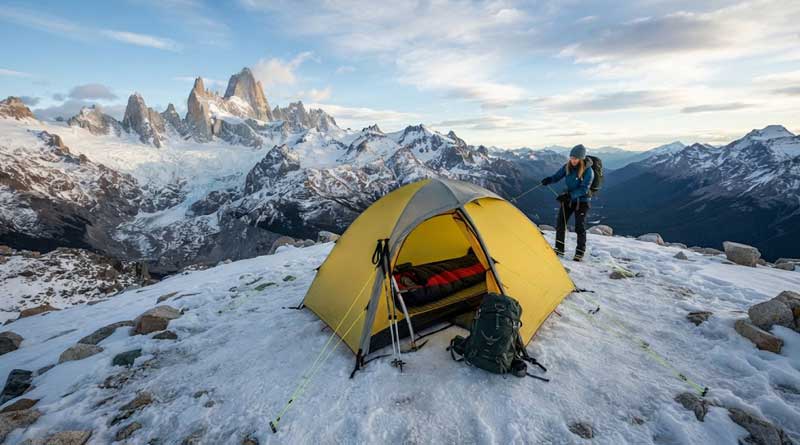
When you love the outdoors enough to camp in rain, snow, or wind, a standard tent won’t always cut it. A 4-season tent is built to handle harsh weather, but finding one made just for a single person can feel tricky. You want something tough, lightweight, and easy to set up alone. This article breaks down the best options on the market, so you can stay safe and comfortable no matter what Mother Nature throws at you.
1. MSR Access 1

- Packaged Weight: 3 lbs. 8 oz.
- Floor Area: 19 square feet
- Peak Height: 41 inches
- Poles: 1 Easton Syclone composite pole
The MSR Access 1 is a purpose-built shelter for solo winter travelers who need warmth without carrying extra bulk. Designed with backcountry skiers, splitboarders, and snowshoers in mind, it holds up through 3 to 4-season conditions while keeping the pack weight down to a manageable 3 pounds at minimum trail weight. The single Easton Syclone composite pole keeps setup quick even when fingers are cold and numb.
Inside, the freestanding design offers 19 square feet of floor space plus a 9 square foot vestibule for gear storage, and the 41-inch peak height gives enough room to sit up comfortably. The ripstop nylon canopy and floor fabrics are treated with PFAS-free DWR, adding weather resistance without excess weight.
Pros: lightweight for a 4-season tent, quick single-pole setup, generous vestibule storage, freestanding design.
Cons: only one door, premium price point, snug for taller campers.
2. Underwood Aggregator 1
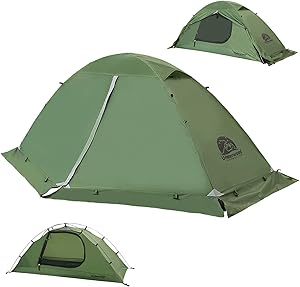
- Item Weight: 4 pounds
- Occupancy: 1 Person
- Seasons: 4 Season
- Water Resistance: PU 5000mm coating
The Underwood Aggregator 1 is a budget-friendly option for solo campers who want year-round protection without breaking the bank. Rated for 4-season use, it comes with everything needed straight out of the box, including two aluminum poles, twelve stakes, and four guy line ropes, so there’s no need to buy extra accessories before heading out.
Its rectangular floor plan measures 86.6 by 31.8 inches, giving a solo camper enough length to stretch out, while the 35.8-inch height allows some room to move around inside. The rainfly is rated to 5000mm of water resistance, which holds up reasonably well in steady rain and light snow, making this a solid all-around choice for backpackers on a budget.
Pros: complete package with poles and stakes included, solid water resistance rating, affordable, decent interior length.
Cons: heavier than premium 4-season tents, basic materials, limited headroom for taller users.
See the Underwood Aggregator 1
3. Camppal 1-Person Tent

- Item Weight: 1.23 kg
- Shape: Mountain
- Seasons: 4 Season
- Water Resistance: 4000mm rating
The Camppal 1-Person Tent takes a mountain-shaped profile, which naturally sheds wind and snow better than a boxier design. At just 1.23 kg, it’s a genuinely light option for solo backpackers, hunters, and mountaineers who need to move fast without sacrificing too much shelter quality in rough terrain.
The tall 98.4-inch length combined with a 35.4-inch width gives a snug but usable footprint, and the aluminum pole construction keeps the whole setup sturdy in wind. With a 4000mm water resistance rating on the rainfly, it handles moderate rain and wet snow reasonably well, though it’s not quite as bombproof as heavier alpine-rated shelters built for sustained storms.
Pros: very light for a 4-season shelter, wind-shedding mountain shape, aluminum pole durability, versatile for multiple activities.
Cons: narrower interior space, lower water resistance rating than competitors, tight for gear storage.
4. OneTigris Stella

- Occupancy: 2 Person
- Shape: Dome
- Seasons: 4 Season
- Water Resistance: Silicone coating
The OneTigris Stella steps things up with room for two, making it a good pick for campers who want a partner-friendly shelter without moving into bulky family-tent territory. The dome shape adds stability in wind, and at 84.65 inches long by 41.34 inches wide, there’s enough floor space for two sleeping pads plus a bit of extra gear.
Silicone-coated fabric gives the canopy solid waterproofing, and the 45.2-inch peak height means sitting up inside is comfortable for most users. It ships with poles, stakes, guy lines, and a storage bag, so it’s ready to use right away. For campers and hikers looking for a dependable 4-season dome tent built for two, the Stella is a practical, well-rounded option.
Pros: fits two people comfortably, stable dome design, silicone-coated waterproofing, comes with full accessory set.
Cons: heavier and bulkier than solo tents, single pole set may need careful staking in high wind.
5. Black Diamond Spotlight Bivy

- Weight: 1 lb. 7.6 oz.
- Bivy Length: 92 inches
- Shoulder Width: 30 inches
- Seasons: 4-season, ultralight
The Black Diamond Spotlight Bivy is built for gram counters who still refuse to give up comfort. Its standout feature is the added headroom, achieved through a large zippered entry that makes getting in and out far easier than most minimalist bivies, especially when wearing bulky winter layers or boots.
A large mesh panel with a built-in awning keeps air moving through the bivy, cutting down on condensation on cold nights while still offering some rain protection when the awning is deployed. At just over 1.5 pounds and packing down to 4 by 7.5 inches, it’s an easy addition to any minimalist backcountry kit, especially for those who prioritize headroom over sheer packed size.
Pros: excellent headroom for a bivy, strong ventilation, easy entry and exit, ultralight build.
Cons: less weather protection than a full tent, mesh panel exposure in driving rain, no vestibule for gear.
See the Black Diamond Spotlight Bivy
6. Outdoor Research Alpine XT Bivy

- Weight: 1 lb. 4.95 oz.
- Bivy Length: 83 inches
- Shoulder Width: 28 inches
- Setup: 2 stakes, 1 pole
The Outdoor Research Alpine XT Bivy is designed specifically for mountain travel, where fast, reliable setup matters as much as weather protection. It uses just two stakes and a single pole to pitch, which is a real advantage when setting up camp on an exposed ridge or a small ledge in deteriorating conditions.
Despite its minimal footprint, the fabric is fully waterproof and breathable, so moisture from both the outside weather and the sleeper’s own body doesn’t build up overnight. A mesh panel keeps bugs out during shoulder-season use. At under 1 lb. 5 oz., it’s one of the lighter options here, making it a strong choice for alpinists who need to move light and fast.
Pros: extremely fast setup, very light, breathable waterproof fabric, mountaineering-focused design.
Cons: narrow shoulder width may feel tight, minimal storage, less livable in extended bad weather.
See the Outdoor Research Alpine XT Bivy
7. Big Agnes Shield 2

- Minimum Trail Weight: 3 lbs. 14 oz.
- Floor Area: 28 square feet
- Poles: 3, DAC Featherlight NSL
- Fabric: Pertex 3-layer construction
The Big Agnes Shield 2 is built for serious mountaineering, where wind and cold are constant threats. Its three-pole DAC Featherlight NSL frame gives the dome shape the strength to handle strong gusts at high elevation without collapsing or flexing excessively, which matters most when a storm rolls in unexpectedly on an exposed slope.
Inside, the 28 square feet of floor space is generous for a 1-person 4-season tent, and the Pertex 3-layer fabric used on both the canopy and rainfly combines a DWR-treated face with a microporous membrane for reliable waterproofing and breathability. The floor’s 10,000mm polyurethane coating adds further protection against wet, rocky, or icy ground.
Pros: excellent wind resistance, spacious floor area for one person, premium 3-layer fabric, strong pole architecture.
Cons: heavier than ultralight alternatives, single door limits entry options, higher price point.
8. Big Agnes Three Wire Hooped Bivy

- Weight: 1 lb. 6 oz.
- Bivy Length: 83 inches
- Shoulder Width: 30 inches
- Seasons: 4-season, ultralight
The Big Agnes Three Wire Hooped Bivy is made for mountaineers and backpackers who want to be ready for bad weather without hauling around a full tent. Premium materials give it reliable 4-season protection, and the hooped design lifts the fabric off the face and upper body for a bit more breathing room than a flat bivy.
A mesh window built into the design allows airflow, helping to reduce condensation buildup on cold, humid nights. At just 1 lb. 6 oz. and packing down to a compact 4 by 14 inches, it slips easily into a backpack’s side pocket or as a backup shelter for alpine missions where weight savings are critical.
Pros: hooped design adds breathing room, good ventilation via mesh window, ultralight and packable, durable 4-season materials.
Cons: tight for restless sleepers, minimal vestibule space, best suited to solo emergency or minimalist use.
See the Big Agnes Three Wire Hooped Bivy
How to Choose the Best 1-Person 4-Season Tent?
Buying a tent for solo winter or high-altitude camping is very different from picking a summer shelter. A 1-person 4-season tent must protect you from heavy snow, strong winds, freezing rain, and bitter cold—all while being light enough for one person to carry. With so many options on the market, it is easy to feel lost. This guide breaks down every important feature you need to look at. By the end, you will know exactly what to check before you spend your money, and you will feel confident choosing a tent that keeps you safe and comfortable in any harsh condition.
1. Understand What “4-Season” Really Means
Many brands use the term “4-season” loosely. A true 4-season tent is built to handle extreme weather, not just a chilly spring night. These tents have stronger poles, thicker fabrics, and a shape that sheds wind and snow. They are often called “mountaineering tents” because they are tested in places like the Himalayas or Alaska. They are not meant for hot summer use—they trap heat and can feel stuffy. But when winter storms hit, they are your best friend. Always check if the tent is actually tested for snow loads and wind speeds. Do not confuse “3-season plus” with a real 4-season shelter.
2. Shape and Design Matter Most
The shape of the tent decides how well it handles weather. Most 4-season solo tents fall into two main categories:
Dome or Geodesic Designs
These have two or more poles that cross over the top. The poles create a strong, rounded structure that deflects wind and prevents snow from piling up. Geodesic tents have extra pole intersections, making them even stronger. They are the top choice for serious winter camping because they stand firm in gale-force winds. The rounded shape also means snow slides off easily instead of collecting on the roof.
Tunnel or Hoop Designs
These are longer and lower to the ground. They handle wind well if you point the narrow end into the wind, but they are less stable in heavy snow. Snow can build up on the flat top, and they are harder to pitch in rocky or icy ground. For most solo winter campers, a dome or geodesic design is the safer and more reliable pick.
3. Pole Strength and Material
Poles are the skeleton of your tent. In a 4-season tent, they must be tough. Look for poles made of aluminum, not fiberglass. Fiberglass snaps easily in cold weather and high winds. Within aluminum, there are different grades:
- 7000-series aluminum – Strongest and lightest, but more expensive. Used in high-end mountaineering tents.
- 6061 aluminum – Slightly heavier but still very durable. Good for budget-friendly options.
Also check the pole diameter. Thicker poles (9 mm or more) are stronger than thin ones. Some tents use DAC or Easton poles, which are known for reliability. Removable pole sections are helpful too—if one section breaks, you can replace it without buying a whole new set.
4. Fabric and Waterproofing
Your tent’s outer fabric (the fly) takes the brunt of rain, snow, and ice. For 4-season use, you need a fly with a high waterproof rating—at least 2000 mm hydrostatic head. But the fabric type is just as important:
- Nylon – Light and strong, but absorbs water and stretches when wet. Good quality nylon with a silicone coating works well.
- Polyester – Less stretchy, holds up better under UV light, and does not sag when wet. Many budget 4-season tents use polyester.
- Dyneema (Cuben Fiber) – Extremely light and waterproof, but very expensive. Used in premium ultralight models.
Check if the floor has a higher denier (thickness) rating—at least 70D is good. A bathtub floor design (where the floor curves up the walls) keeps water out if the ground is wet. Also, look for taped or sealed seams; without them, even the best fabric will leak.
5. Ventilation and Condensation Control
Many first-time buyers forget about ventilation. In a 4-season tent, you will spend long hours inside with the doors closed. Your breath and cooking produce moisture, which turns into condensation on the inner walls. That water can drip on you and freeze your sleeping bag. Good tents have:
- Mesh panels near the top or bottom for airflow
- Adjustable vents on the fly that you can open or close
- Dual doors or dual-zippered vestibules to create cross-breeze when weather allows
Some tents use a “single-wall” design—the fly and inner are one piece. These are lighter but more prone to condensation. Double-wall tents (separate inner and fly) are heavier but much better at managing moisture. For most beginners, a double-wall tent is the wiser choice.
6. Vestibule Space for Gear
In a 1-person tent, you do not have much room inside for wet boots, backpacks, or cooking gear. That is why a vestibule is essential. A vestibule is a small covered area just outside the main sleeping space, under the fly. Look for:
- At least one vestibule big enough to hold your pack and boots
- Easy access from inside the tent (so you can grab things without going outside)
- A vestibule that can be fully closed in storms but also rolled back for cooking in fair weather
Some tents have two vestibules—one on each side—which adds extra storage and allows you to exit on the sheltered side depending on wind direction.
7. Weight and Packed Size
Since you are carrying this tent alone, weight is critical. For 4-season tents, the average packed weight ranges from 1.8 kg to 2.5 kg (4 to 5.5 lbs). Ultralight models go under 1.5 kg (3.3 lbs), but they cost more and may sacrifice some durability. Think about your trip type:
- Day trips or single overnights – You can carry a heavier tent (2.2–2.5 kg) for more comfort.
- Multi-day winter treks – Go lighter (under 2 kg) to save energy.
- Extreme mountaineering – Prioritize strength over weight; you will need the extra durability.
Also check the packed length—some tents pack down to 40 cm, others to 60 cm. If you use a small backpack, a shorter packed size is helpful for strapping to the outside.
8. Ease of Setup
When your hands are numb from cold, the last thing you want is a complicated tent pitch. Look for a tent that uses:
- Color-coded poles and sleeves or clips
- A simple pole structure (2 or 3 poles crossing)
- Clip attachments instead of sleeves—clips are faster and easier with gloves on
Practice setting up your tent at home before your trip. In a storm, you should be able to pitch it in under 5 minutes. Some tents allow you to pitch the inner and fly together in one go (called “pitch as one”), which saves time and keeps the inside dry during setup.
9. Interior Space and Living Area
A “1-person” tent should actually fit one person comfortably—not just barely. Check the floor dimensions. Look for:
- Floor length of at least 210 cm (7 feet) so your head and feet do not touch the walls
- Floor width of at least 80 cm (2.6 feet) at the shoulders
- Peak height of at least 90 cm (3 feet) so you can sit up without hitting your head
Keep in mind that steep walls (like in dome tents) give you more usable headroom than sloping walls. Do not be fooled by “floor area” alone—a tent with low walls will feel cramped even if the floor is big.
10. Budget and Value
4-season tents are not cheap. Entry-level models start around $200–$300, mid-range go from $400–$700, and premium expedition tents can cost over $1000. Here is a rough breakdown:
| Price Range | What to Expect | Best For |
|---|---|---|
| Under $300 | Heavier fabrics, basic poles, fewer vents, no premium materials | Beginner winter campers on a budget |
| $300 – $600 | Good aluminum poles, double-wall design, reliable waterproofing, decent weight | Regular winter backpackers and weekend warriors |
| $600 – $1000+ | Lightweight fabrics, DAC/Easton poles, excellent ventilation, compact packed size | Serious mountaineers, long expeditions, ultralight enthusiasts |
Remember that the most expensive tent is not always the best for you. Match the tent to your actual needs, not just the brand name.
11. Extra Features to Look For
Small details can make a big difference in harsh weather. Consider these extras:
- Snow skirts – A fabric flap around the base that you can bury in snow to block drafts.
- Guyline attachment points – Extra loops to stake down the tent in high winds.
- Internal pockets – For storing small items like headlamps, phones, or gloves.
- Reflective guylines – Help you see the tent at night and avoid tripping.
- Repair kit included – Spare pole section, fabric patch, and seam sealer are a big plus.
While these are not deal-breakers, they add convenience and safety. A tent with all these features will feel like home even on the worst nights.
12. Read Real User Reviews
Specs on paper do not tell the whole story. Before you buy, read reviews from people who have used the tent in real winter conditions. Look for comments about:
- How it handled wind and snow
- Condensation issues
- Zipper quality in cold weather (zippers often fail first)
- Customer service from the brand
Pay attention to negative reviews—they often reveal consistent flaws. Also check YouTube for setup videos; seeing the tent in action helps you understand its true size and strength.
Final Checklist Before You Buy
To make your decision easier, run through this quick checklist when comparing tents:
- Is it a true 4-season tent (tested for snow/wind)?
- Does it have strong aluminum poles (7000-series preferred)?
- Is the fly waterproof (2000 mm or higher) with taped seams?
- Does it have good ventilation to reduce condensation?
- Is there a vestibule large enough for your gear?
- Does it fit inside your backpack and within your weight limit?
- Can you set it up quickly with cold hands?
- Does it have enough floor space to sleep comfortably?
- Is the price fair for the quality and features?
Choosing a 1-person 4-season tent is about balancing strength, weight, space, and cost. There is no perfect tent for everyone—only the perfect tent for your specific trips. Take your time, compare at least three models, and do not rush the decision. A good tent will last you many winters and keep you safe when the weather turns nasty. Invest wisely, and you will enjoy every adventure, no matter the season.