Best Waterproof Winter Boots of 2027
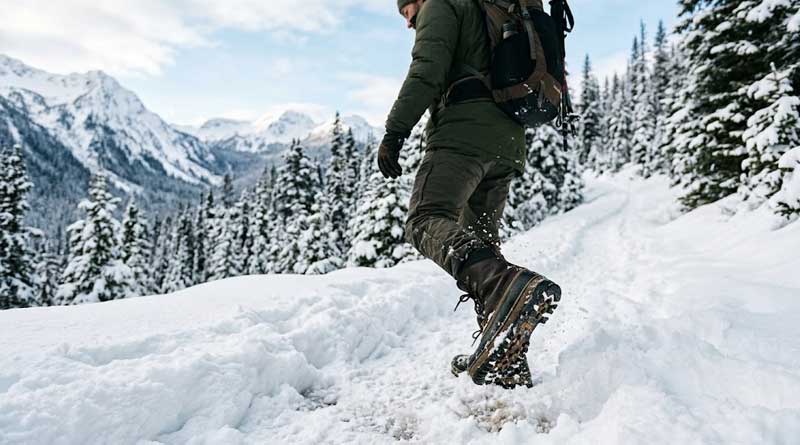
Winter weather can turn a simple walk into a cold, soggy struggle when your boots fail to keep moisture out. The right pair should block slush, resist mud, provide traction on slippery ground and keep your feet comfortable all day. In this guide, we review seven waterproof boots for men and women, from insulated snow models to lightweight hiking styles. Compare their features, strengths and drawbacks, then use our buying advice to choose boots that suit your climate and budget.
1. NORTIV 8 Men’s Waterproof Snow Boots
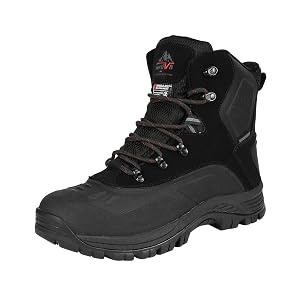
- Insulation: 200g
- Rating: -25°F
- Insole: Removable
- Outsole: Rubber, slip-resistant
The NORTIV 8 snow boot is built for people who face genuinely cold weather. Its waterproof construction keeps slush and melting snow outside, while the windproof synthetic toe cap adds protection against bumps and kicks. Inside, 200g of insulation is designed to keep feet warm and dry in temperatures as low as minus 25 degrees Fahrenheit. The insulated lining also adds comfort during long days outdoors, whether you are shoveling the driveway or heading out for a ski trip.
Comfort is handled well too. The removable insole can be washed, and its fluffy pile fabric absorbs sweat and moisture while the soft cushioning reduces fatigue with every step. The rubber outsole is flexible, abrasion resistant and stable on icy or uneven ground, which suits skiing, cycling and mountaineering as much as daily errands. The main trade-off is bulk, since this is a heavy-duty winter boot rather than a sleek everyday shoe.
- Pros: Very warm, washable insole, good grip
- Cons: Bulky for casual wear
2. Columbia Women’s Newton Ridge Plus

- Upper: Suede and leather
- Protection: Waterproof
- Outsole: Advanced traction
- Midsole: Lightweight cushioned
The Columbia Newton Ridge Plus Waterproof is a women’s hiking boot that doubles as a dependable choice for cold, wet days. Its suede and leather exterior protects against rain, mud and muck, so you can cross damp trails or slushy sidewalks without soaked socks. Columbia focuses on quality materials, and the boot combines durability with a lightweight, stylish build that does not feel clunky during long walks. They look good with jeans and winter layers too.
Underfoot, the advanced traction outsole grips firmly to help prevent slipping, while the signature lightweight midsole provides cushioning, impact absorption and high energy return. That makes it comfortable for full days of walking. The fit is true to size and several colors are available. Keep in mind that this boot is not heavily insulated, so pair it with thick socks in freezing weather. For mild to moderate winter conditions, it is a versatile and attractive pick.
- Pros: Lightweight, true-to-size fit, stylish colors
- Cons: Not rated for extreme cold
3. Columbia Men’s Fairbanks Omni-Heat

- Build: Waterproof-breathable
- Insulation: Low-bulk
- Lining: Thermal-reflective
- Technology: Omni-Heat
The Columbia Fairbanks Omni-Heat is a smart alternative for anyone who wants winter protection without the bulk of a traditional snow boot. It uses a waterproof-breathable build, so water stays out while moisture from your feet can escape, which helps prevent that damp, clammy feeling during active days. The low-bulk insulation keeps the boot light and flexible, making it easier to walk, drive and move around in all day.
Warmth comes from the thermal-reflective lining, which is designed to help hold in body heat so you stay comfortable when the temperature drops. Together, these features make the boot ready to trudge through wet conditions, mud and cold without feeling heavy. It is available in multiple colors and sizes, so finding a good match is simple. Those heading into extreme cold may still prefer a heavier, more insulated model, but for commuting, errands and winter walks this boot strikes a very practical balance between comfort, protection and weight.
- Pros: Light warmth, breathable, versatile
- Cons: Less warm than bulky boots
4. NORTIV 8 Ankle High Hiking Boots

- Insole: Removable cushioned
- Midsole: EVA
- Outsole: Rubber, slip-proof
- Height: Ankle-high
The NORTIV 8 Ankle High Waterproof Hiking Boot is a comfortable, flexible option for people who need a boot that works for both daily wear and outdoor adventures. Its removable, shock-absorbent cushioned insoles support your feet through long hours of standing or walking, and they can be replaced if you prefer custom support. The lightweight EVA midsole reduces foot fatigue and is designed to provide long-lasting comfort, superior cushioning and high energy return.
Traction is another highlight. The high-quality rubber sole is slip-proof and offers firm stability on wet or muddy surfaces, which is exactly what you need during slushy winter weather. The ankle-high cut keeps the boot light and easy to move in, and it suits hiking, hunting, camping, fishing, cycling and traveling. This is a better fit for cool, wet conditions than for deep-freeze cold, so add warm socks when temperatures fall. Overall, it is a versatile and practical all-rounder with dependable grip and comfort.
- Pros: Lightweight, grippy, versatile
- Cons: Limited insulation
5. ANJOUFEMME Women’s Ankle Boots

- Outer: Waterproof PU
- Lining: Breathable plaid fabric
- Outsole: Flexible TPE
- Closure: Lace-up
The ANJOUFEMME waterproof ankle boot is aimed at women who want a practical, good-looking shoe for unpredictable weather. The waterproof PU outer keeps feet dry in sudden rain showers or light snow, while the breathable plaid fabric lining wicks away moisture so you do not end up feeling sweaty during errands or long walks. The classic ankle design and versatile light brown color pair easily with jeans, leggings and sweaters.
Grip is solid thanks to the flexible, wear-resistant TPE outsole, which holds well on wet pavement, muddy paths and slick winter surfaces. The removable insole and lining adapt to the season, and thicker socks add extra insulation when it gets colder. Reinforced eyelets help prevent lace breakage, and the secure lace-up closure gives a customized fit. It is lightweight enough for a full day of hiking, traveling or working on your feet. Best for light snow and cool, damp days, not deep cold.
- Pros: Lightweight, stylish, removable insole
- Cons: Best for light snow
6. Columbia Men’s Newton Ridge Plus II

- Upper: Waterproof mesh and leather
- Outsole: Advanced traction
- Midsole: Lightweight cushioned
- Sizing: Chart provided
The Columbia Newton Ridge Plus II Waterproof is a men’s hiking boot built for rigorous days on the trail, and it adapts well to wet winter conditions. Columbia puts high quality materials first, and this model combines durability and comfort while staying lightweight and versatile. The waterproof mesh and leather exterior protects your feet from puddles, slush and mud, so you can keep moving without worrying about soaked socks or cold, uncomfortable toes.
The advanced traction outsole bites into the ground in every environment to prevent slipping, which is reassuring on wet leaves, packed dirt and damp pavement. Underneath your foot, the signature lightweight midsole offers long-lasting comfort, superior cushioning for impact absorption and high energy return. Columbia provides this boot in multiple colors and sizes, along with a sizing chart to help you choose correctly. It is not a heavily insulated snow boot, so thick socks are a good idea in freezing weather.
- Pros: Lightweight, durable, great grip
- Cons: Limited insulation
7. Timberland White Ledge Mid

- Upper: Waterproof leather
- Construction: Seam-sealed
- Footbed: EVA
- Outsole: Solid rubber lugs
The Timberland White Ledge Mid is a classic waterproof hiking boot with a rugged, great-looking design. Its uppers are made from 100 percent premium waterproof leather sourced from an LWG Silver-rated tannery, and the seam-sealed construction helps block water at the stitching where leaks often begin. A fully gusseted tongue keeps out debris, slush and splashes, which is especially useful when walking through wet snow or muddy trails.
Comfort and stability are both well covered. The EVA footbed and EVA midsole provide cushioning for long days, while the solid rubber outsole with multi-directional lugs grips in several directions on slippery ground. Rustproof speed lace hardware with lace hooks at the top makes the boots quick to tighten and loosen. The mid-height cut also offers helpful extra ankle coverage. Leather requires occasional conditioning, and the boot is not heavily insulated, but its durability and style make it a long-term winter companion.
- Pros: Durable, premium leather, strong grip
- Cons: Leather needs care
How to Choose Waterproof Winter Boots
Choosing waterproof winter boots is easier when you know which features matter most for your conditions. A boot that works well for a damp city commute may feel too cold on a snowy mountain trail, while a heavily insulated model may feel hot and clumsy on mild days. The sections below explain the main factors to compare before you buy, using the seven boots reviewed above as practical examples.
Start With Your Climate
Your local weather should guide every other decision. Think about the lowest temperatures you will face, how often snow falls and whether the ground is mostly dry powder, wet slush or ice. People in cold regions need serious insulation, while those in wet but mild areas benefit more from breathability and light weight.
Extreme Cold
For temperatures near or below zero, look for boots with clearly stated insulation, such as the 200g insulation in the NORTIV 8 snow boot, which is described for temperatures as low as minus 25 degrees Fahrenheit.
Cool and Wet Weather
In cool, damp conditions, lighter boots such as the Columbia Fairbanks Omni-Heat, the Newton Ridge models or the ANJOUFEMME ankle boot are often enough. You can add thicker socks when the temperature drops.
Check the Waterproofing
Waterproof does not mean the same thing across every boot. Some use waterproof leather, others use coated synthetic materials, and many rely on a membrane or sealed seams. Look at how the whole boot is built rather than only the upper.
Seams and Tongue
Water often enters at stitching and around the tongue. Seam-sealed construction and a fully gusseted tongue, as seen in the Timberland White Ledge Mid, help stop leaks where they usually start.
Breathability
A boot that traps sweat can leave feet cold and damp. Waterproof-breathable designs and moisture-wicking linings let vapor escape while keeping outside water away.
Compare Insulation and Warmth
Insulation is measured in grams for many boots, and a higher number usually means more warmth. However, extra insulation also adds weight and bulk. Thermal-reflective linings can add warmth without thick padding, which suits active wearers.
Use the table below as a quick guide to matching insulation with conditions.
| Condition | Recommended Boot Type | Example from Our List |
|---|---|---|
| Below 0°F | Heavily insulated snow boot | NORTIV 8 Snow Boots |
| 10°F to 30°F | Light insulation with thermal lining | Columbia Fairbanks Omni-Heat |
| 30°F to 50°F | Waterproof hiking boot | Columbia Newton Ridge Plus |
| Wet pavement and light snow | Lightweight ankle boot | ANJOUFEMME Ankle Boots |
Think About Traction and Outsoles
Slippery ground is the biggest safety risk in winter, so the outsole deserves close attention. Deep, multi-directional lugs bite into snow and mud, while rubber compounds stay flexible in the cold. Hard, shallow soles can feel slick on ice.
What to Look For
- Rubber outsoles that stay flexible in low temperatures
- Deep lugs that clear snow and mud easily
- Wear-resistant materials for longer life
- A defined heel to help with stopping on slopes
Prioritize Comfort and Fit
Even the warmest boot fails if it hurts. Try boots on late in the day, when feet are slightly larger, and wear the socks you plan to use in winter. Your toes should move freely, but your heel should stay locked in place.
Insoles and Midsoles
Removable insoles let you wash them, replace them or add custom support. EVA midsoles are lightweight and absorb impact, which reduces fatigue during long walks. Boots such as the NORTIV 8 models and the Columbia Newton Ridge range use cushioned components for this reason.
Sizing Tips
Check the brand’s sizing chart and read whether the boot runs true to size. Columbia describes its women’s Newton Ridge Plus as true to size, and it provides a sizing chart for the men’s version. Leave room for thick socks if you plan to wear them.
Consider Weight and Height
Heavy boots tire your legs faster, so choose the lightest boot that still provides the warmth you need. Height matters too, because taller shafts keep deep snow out while ankle-high designs offer more freedom of movement.
Ankle-High vs Mid-Height
- Ankle-high boots are light and easy to move in, like the NORTIV 8 ankle model and the ANJOUFEMME boot.
- Mid-height boots such as the Timberland White Ledge Mid add ankle support and protection from splashes.
- Taller snow boots suit deep snow, though they are heavier.
Match the Boot to Your Activity
Think about how you will actually use the boots. Daily commuting, dog walking and errands demand comfort and easy style, while skiing, mountaineering or hunting call for stronger insulation, protection and grip.
Everyday Wear
For daily use, prioritize comfort, weight and appearance. Light brown or classic leather finishes pair easily with jeans and coats, and a removable insole helps keep boots fresh.
Outdoor Adventures
For hiking, camping and snow sports, look for rugged soles, reinforced construction and warmth that matches your pace. Active people generate heat, so very thick insulation is not always necessary.
Evaluate Materials and Durability
Leather is durable and attractive but needs occasional care, while synthetic materials are often lighter and easier to maintain. Check stitching, eyelets and toe protection, since these areas wear out first. Reinforced eyelets and protective toe caps can extend the life of your boots.
Set a Budget and Final Checklist
Price often reflects materials, insulation and brand reputation, but the most expensive boot is not always the best match. Decide what features are essential, then compare options within your budget. Before buying, run through this checklist:
- Does the insulation match the lowest temperature you expect?
- Are the seams sealed and the tongue gusseted?
- Is the outsole flexible, grippy and wear-resistant?
- Is the fit comfortable with winter socks?
- Is the weight acceptable for your daily use?
- Are returns easy if the size is wrong?
By weighing climate, waterproofing, insulation, traction, comfort and activity, you can narrow the list quickly. The boots reviewed in this guide cover a wide range of needs, so there is a strong option whether you face deep snow, cold commutes or wet trails.