Best Snow Pants for Extreme Cold of 2027
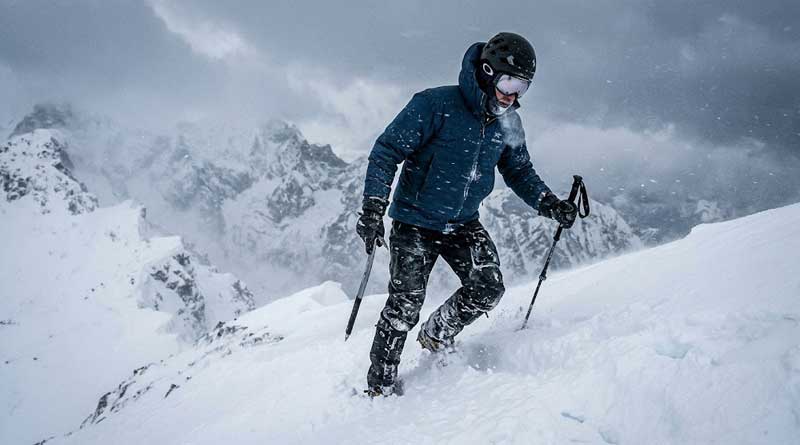
Extreme cold is unforgiving, and the wrong pair of pants can turn a great day on the mountain into a miserable one. Good snow pants block wind, shed moisture, trap body heat, and still let you move freely. We compared eight popular options, from fleece-lined softshell pants to full-coverage insulated bibs, to see which ones deliver real protection when temperatures plunge. Read on for honest reviews, key specifications, pros and cons, and a practical buying guide to help you choose.
1. TACVASEN Fleece Lined Snow Pants

- Outer shell: waterproof, windproof ripstop fabric
- Lining: soft fleece for insulation
- Pockets: four zippered pockets
- Fit: adjustable partial elastic waist, 3D tailored knees
The TACVASEN pants pair a tough ripstop exterior with a fleece interior, a combination that works well when the wind is biting and the temperature is low. The outer fabric resists snow and gusts, while the lining holds in body heat without feeling bulky. They suit active days like skiing, hiking, or hunting.
Fit is a strong point. The partial elastic waist, button closure, and zipper fly let you dial in a secure feel, and the shaped knees move naturally when you climb or squat. Four zippered pockets keep your phone, keys, and cards safe. In true extreme cold you may want a base layer underneath, but for the price this is a capable, versatile choice.
Pros:
- Warm fleece lining
- Four secure zipper pockets
- Shaped knees for easy movement
Cons:
- Needs a base layer in severe cold
- Not a full-coverage bib design
2. Arctix Women’s Insulated Ski Bibs

- Style: full bib design for extra coverage
- Insulation: insulated for maximum warmth
- Protection: water resistant fabric
- Use: skiing, snowboarding, extreme weather
The Arctix Women’s Essential Insulated Ski Bibs are built around one goal: keeping you warm when conditions turn harsh. The bib design extends coverage up the torso, which seals out snow and cold air that usually sneak in around the waist. That alone makes a noticeable difference during falls or long stretches in deep snow.
The classic cut has made these a popular pick for skiers, snowboarders, and anyone who works or plays outdoors in winter. The insulation delivers dependable warmth, and the water resistant shell handles typical snow exposure. Keep in mind that water resistant is not the same as fully waterproof, so very wet days may call for extra care. For cold, dry powder days, these bibs are an easy recommendation.
Pros:
- Full torso coverage blocks snow and drafts
- Reliable insulation for deep cold
- Classic, versatile design
Cons:
- Water resistant, not fully waterproof
- Bibs are less convenient for bathroom breaks
3. Arctix Men’s Insulated Bib Overalls

- Style: bib overalls with full coverage
- Warmth: insulated for maximum protection
- Durability: built for slopes and daily cold weather work
- Activities: skiing, hiking, snowboarding
These best-selling bib overalls are designed for people who refuse to let the temperature dictate their plans. The insulated construction wraps your core and legs in warmth, and the bib keeps snow from creeping in at the waistline. They are tough enough for shoveling, hunting, or hauling gear, not just resort days.
Where the Essential Bib shines is its simplicity. You zip up, adjust the straps, and head out. There is little fuss, and the protection is generous for the price. The bulk can feel restrictive during highly athletic activity, and you will want a moisture-wicking base layer to stay dry when working hard. For static or moderate activity in severe cold, it is among the most dependable budget options available.
Pros:
- Warm, full-coverage design
- Tough enough for work and play
- Strong value for money
Cons:
- Bulkier than softshell options
- Less breathable during intense exercise
4. Arctic Quest Men’s Snow Bib

- Fabric: durable, weather-resistant shell
- Fit: adjustable shoulder straps
- Reinforcement: knees and seat
- Storage: multiple pockets
The Arctic Quest bib is aimed at skiers and snowboarders who spend long days on the mountain. Its weather-resistant fabric keeps out snow and moisture, and the full bib cut protects your midsection from wind and powder. Adjustable shoulder straps let you customize the fit over layers, which is useful when temperatures swing during the day.
Durability is where this model stands out. Reinforced knees and seat areas take the abuse of kneeling, sitting on lifts, and the occasional fall. Multiple pockets give you room for essentials like a phone, lip balm, and lift pass. It is a practical, no-nonsense choice for hard-use winter days. If you plan on very low temperatures, pair it with a thermal base layer for the best results.
Pros:
- Reinforced knees and seat
- Adjustable straps for a custom fit
- Plenty of pocket storage
Cons:
- Layering is needed in extreme cold
- Bib style takes time to put on and remove
5. FREE SOLDIER Softshell Snow Pants

- Material: 94% polyester, 6% spandex shell
- Lining: warm polar fleece
- Waterproofing: seam-sealed membrane
- Pockets: four cargo pockets, YKK zipper
The FREE SOLDIER pants stand out for their technical construction. A windproof softshell outer, a waterproof membrane, and a polar fleece lining work together to block wind and hold heat. Seam-sealed construction adds protection in wet snow, and the membrane lets moisture escape, so you stay drier during strenuous activity.
Mobility is excellent thanks to the stretchy spandex blend, which makes these a great pick for ski touring, hiking, and active winter work. The adjustable elastic waistband and self-locking YKK zipper add comfort and reliability, while four cargo pockets keep gear accessible. They are slimmer than bibs, so very harsh cold may call for a thermal layer. Overall, they strike a strong balance between warmth, breathability, and freedom of movement.
Pros:
- Seam-sealed waterproof membrane
- Stretchy and highly mobile
- Scratch and tear resistant
Cons:
- Slimmer insulation than bibs
- Sizing requires checking the size chart
6. TBMPOY Fleece Lined Pants

- Type: snow, ski, and hiking pants
- Lining: winter fleece
- Protection: waterproof design
- Extras: belt included
The TBMPOY pants are built for cold-weather adventures like skiing, camping, hiking, and ice fishing. The fleece lining adds a layer of warmth, and the waterproof design is meant to keep light snow and slush from soaking through. A belt is included, which helps you fine-tune the waist without extra accessories.
These pants are best suited to people who want an affordable, practical pair for varied outdoor use rather than a specialized mountain shell. They work well for ice fishing and trail walks, where you are active but not constantly exposed to deep powder. Because detailed specifications are limited, check the size chart carefully before ordering. For moderately cold days, they are a solid and budget-friendly option.
Pros:
- Fleece lining for added warmth
- Belt included
- Versatile for many outdoor activities
Cons:
- Limited product details available
- May not suit the most extreme cold alone
7. Moosehill Fleece-Lined Pants

- Material: 92% polyester, 8% spandex
- Lining: fleece for warmth
- Waist: adjustable with included belt
- Knees: flexible 2D cut design
Moosehill offers a lightweight, flexible take on winter pants. The polyester and spandex shell is water-resistant and windproof, handling cold drizzle and light snow, though the brand notes it only holds up for roughly 10 to 15 minutes in small rain. That makes these better for dry, cold days than soggy ones.
The fleece lining delivers comfortable warmth, and you can add another layer underneath when the temperature drops further. The belt-adjustable waistband and stretchy 2D knee cut allow free movement for hiking, biking, or snow fishing. Multiple zipper pockets keep small items secure. If you need heavy waterproofing or serious insulation, look elsewhere. For active, dry-cold use and everyday winter wear, these pants are comfortable and well priced.
Pros:
- Stretchy, comfortable fit
- Belt included for easy adjustment
- Good for everyday winter wear
Cons:
- Water-repellent only, not fully waterproof
- Limited insulation for extreme cold
8. Outdoor Ventures Ski Snow Pants

- Shell: waterproof, windproof, breathable, abrasion-resistant
- Lining: fleece with four-way stretch
- Cut: high rise with bootcut leg
- Pockets: zippered hand and back pockets
Outdoor Ventures designs these pants with comfort in mind. The high-rise cut sits comfortably at the waist, and the bootcut leg opening fits easily over ski or snow boots. The shell is waterproof, windproof, and breathable, while the fleece lining adds warmth to your legs. Four-way stretch fabric and darted knees allow excellent range of motion.
Practical touches set them apart. The Velcro waist adjustment and belt loops give flexibility, and zipper pullers with reflective elements improve visibility in low light. Note that the label size shows the maximum waist, though the adjustment lets you cinch it about 2 inches smaller, so measure before ordering. These pants work well for skiing, hiking, and casual cold-weather wear, offering strong comfort and mobility for the price.
Pros:
- Four-way stretch for easy movement
- Bootcut leg fits over boots
- Reflective zipper pullers
Cons:
- Sizing label can be confusing
- Fleece lining is thinner than bib insulation
How to Choose Snow Pants for Extreme Cold
Choosing the right snow pants for extreme cold takes more than picking a size and a color. The best pair depends on how cold it gets, how active you will be, and how much moisture you expect. This guide walks through the factors that matter most so you can match the right pair to your needs.
Understand Your Cold Conditions
Start by thinking honestly about where and how you will use the pants. A skier riding lifts in sub-zero temperatures needs very different protection than a hiker walking dry trails at 20 degrees Fahrenheit. Wind chill, humidity, and time spent standing still all change how cold you feel.
- Static activities like ice fishing and hunting demand more insulation
- High-energy activities like ski touring demand more breathability
- Wet snow and slush demand stronger waterproofing
- Windy ridgelines demand a tightly woven, windproof shell
Insulation Types
Insulation is what holds your body heat close, and different designs suit different activities.
Fleece Lining
Fleece is soft, breathable, and comfortable against the skin. It works well for active use and moderate to cold weather. Pants such as the TACVASEN, FREE SOLDIER, and Outdoor Ventures models use fleece to add warmth without much bulk.
Synthetic Insulation
Insulated bibs like the Arctix styles use fill that traps air and keeps heat in even when the weather turns brutal. This type is better for standing around in deep cold, though it is bulkier and less breathable.
Layering Underneath
No pant works alone in extreme cold. A moisture-wicking base layer pulls sweat away from your skin, and a mid layer adds warmth when needed. Choose pants with a little room so layers do not feel tight.
Waterproofing and Wind Protection
Staying dry is just as important as staying warm, because wet insulation loses much of its value. Look at both the shell fabric and how the pants are built.
Waterproof vs Water Resistant
Waterproof fabrics and membranes block moisture even in wet snow. Water resistant or water repellent fabrics handle light snow and drizzle but can soak through during prolonged exposure. For deep powder and repeated falls, choose waterproof.
Seams and Breathability
Seam-sealed construction stops water from entering through stitching. Breathability lets sweat vapor escape so you do not get damp from the inside. A windproof outer layer is also essential, since wind strips heat away quickly.
Bibs or Regular Pants
This is one of the biggest decisions you will make. Bibs offer extra coverage and warmth, while regular pants offer easier movement and convenience.
| Feature | Bib Overalls | Regular Snow Pants |
|---|---|---|
| Warmth | Higher, covers the torso | Moderate, covers legs and waist |
| Snow protection | Excellent, seals the waist | Good, gaps can form at the waist |
| Mobility | Good, but bulkier | Excellent, especially stretch fabrics |
| Convenience | Slower to put on and remove | Quick and easy |
| Best for | Deep cold and powder | Active, varied use |
Fit and Mobility
Even the warmest pants will disappoint if they restrict movement or let cold air in. Fit should be snug enough to avoid gaps yet roomy enough for layers.
Waist and Sizing
Adjustable waists, belts, and straps help you fine-tune the fit. Always check the size chart, since some brands label sizes by the maximum waist measurement.
Knees and Seat
Shaped or darted knees allow you to bend and climb comfortably. Reinforced knees and seats last longer when you kneel, fall, or sit on cold surfaces.
Leg Openings
Bootcut openings fit over boots, while tapered or cinched openings work better with gaiters. Choose based on the footwear you plan to wear.
Pockets and Useful Features
Small details improve comfort on long days outside. Look for the following:
- Zippered pockets that keep your phone and keys secure
- Reflective pullers or trim for low-light visibility
- Reinforced panels in high-wear areas
- Belt loops or included belts for a secure waist
- Quality zippers, such as YKK, that hold up in freezing temperatures
Match Pants to Your Activity
| Activity | Priority | Good Fit |
|---|---|---|
| Resort skiing | Waterproofing and warmth | Insulated bibs |
| Ski touring | Breathability and stretch | Softshell fleece-lined pants |
| Ice fishing | Maximum insulation | Insulated bib overalls |
| Winter hiking | Flexibility and light weight | Stretch fleece-lined pants |
| Everyday winter wear | Comfort and value | Water-resistant fleece pants |
Final Buying Checklist
Before you buy, run through these questions to be sure the pants fit your needs.
- Is the shell waterproof or only water resistant?
- Does the insulation match the coldest temperature you expect?
- Will you be active or standing still for most of the day?
- Do the pants fit comfortably over your base and mid layers?
- Are the pockets, zippers, and reinforcements built for your activity?
When you balance warmth, waterproofing, mobility, and fit, you will find a pair that keeps you comfortable even when the thermometer plunges. Use the reviews above as a starting point, and choose the style that best matches how you spend your winter days outdoors.