Best Winter Boots for Extreme Cold of 2027
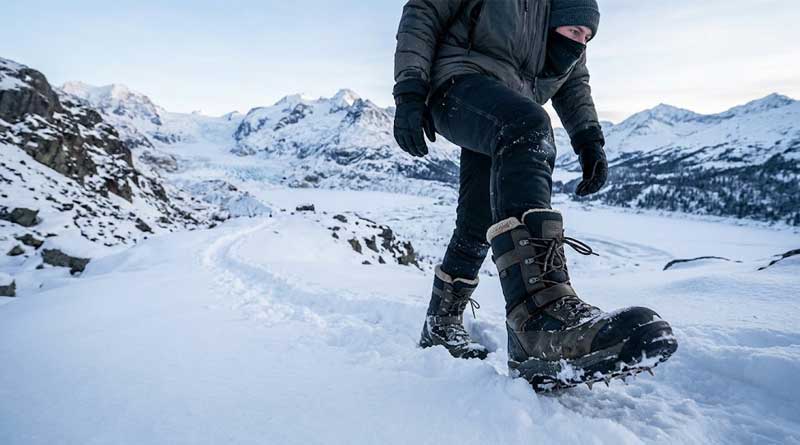
Extreme cold demands footwear that does far more than look rugged. When temperatures plunge, the right boots protect against frostbite, wet socks, and slippery ground while keeping every step comfortable. We reviewed seven popular options, from insulated snow boots to waterproof hiking styles that handle milder winter days. Each review covers key specifications, real-world strengths, and drawbacks, followed by a practical buying guide that explains insulation, waterproofing, traction, and fit so you can choose confidently for your own winter climate.
1. NORTIV 8 Waterproof Snow Boots
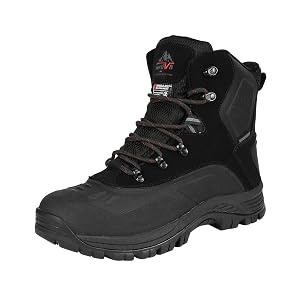
- Insulation: 200g insulated lining
- Temperature rating: Down to -25F
- Toe protection: Windproof synthetic toe cap
- Outsole: Slip-resistant rubber
The NORTIV 8 snow boot is the most cold-focused model in this lineup. Its 200g insulation and warm lining are designed to keep feet comfortable down to -25F, while the waterproof construction blocks slush and melting snow. A windproof synthetic toe cap adds protection against bumps, which helps when you are shoveling or walking over icy debris. It suits daily winter errands as well as skiing, cycling, and mountaineering.
Comfort is a strong point. The removable insole uses soft pile fabric that absorbs sweat and moisture, and you can wash it when it gets damp. The cushioning softens each step and reduces fatigue on long walks. The rubber outsole is flexible, abrasion resistant, and grips well on varied terrain. Because the insulation is moderate rather than extreme, people who stand still for hours in deep cold may want thick wool socks. For active use in freezing conditions, it offers excellent value and a dependable build.
Pros
- Rated for very low temperatures
- Washable removable insole
- Waterproof with protective toe cap
Cons
- Moderate insulation for long stationary use
- Pile lining may feel warm indoors
2. Columbia Women’s Newton Ridge Plus

- Upper: Waterproof suede and leather
- Outsole: Advanced traction tread
- Midsole: Lightweight cushioned design
- Fit: True to size
The Columbia Newton Ridge Plus is a women’s hiking boot built for wet trails, mud, and cold-weather walks. Its suede and leather exterior is waterproof, so rain, slush, and muck stay outside. The advanced traction outsole bites into loose ground and helps prevent slipping, which is useful on packed snow paths. It also looks stylish enough for casual wear, and it comes in several colors and sizes.
Comfort is where this boot stands out. The lightweight midsole cushions impact and returns energy, so your legs stay fresher on long outings. The fit is true to size, which makes ordering easier. However, the listing does not mention insulation, so this is not a true extreme-cold boot. Pair it with heavy wool socks for chilly days, and choose a more insulated model if you face deep freezes or long periods standing outdoors. As a durable, light, waterproof boot for mild to cold winters, it performs well.
Pros
- Waterproof leather and suede build
- Lightweight with good cushioning
- Stylish and true to size
Cons
- No insulation listed
- Not suited to extreme cold alone
3. Columbia Men’s Fairbanks Omni-Heat

- Construction: Waterproof-breathable
- Insulation: Low-bulk insulation
- Lining: Thermal-reflective Omni-Heat
- Style: Slimmer than bulky winter boots
The Columbia Fairbanks Omni-Heat is a smart choice for people who want warmth without the clunky feel of a traditional snow boot. Its thermal-reflective lining is designed to hold in body heat, and the low-bulk insulation adds warmth without making the boot heavy. The waterproof-breathable build keeps out wet snow and mud while letting moisture escape, which reduces clammy feet during active days.
This boot works well for commuting, shoveling, dog walks, and general winter chores. Its slimmer profile makes walking more natural and fits comfortably under pants. The trade-off is that low-bulk insulation will not match a thick, heavily insulated pac boot in severe cold. If you often face temperatures far below freezing for hours, you may need extra thick socks or a warmer option. For everyday cold, wet weather, though, the Fairbanks offers a balanced mix of warmth, protection, and versatility, and it comes in multiple colors and sizes.
Pros
- Thermal-reflective lining
- Lighter and less bulky
- Waterproof and breathable
Cons
- Lower insulation than heavy pac boots
- Less ideal for long stationary cold
4. NORTIV 8 Ankle High Hiking Boots

- Insole: Removable shock-absorbent cushion
- Midsole: Lightweight flexible EVA
- Outsole: Slip-proof rubber
- Height: Ankle high
The NORTIV 8 Ankle High boot is a waterproof hiking option that focuses on all-day comfort rather than heavy insulation. Its removable, shock-absorbent insole supports the foot, and the lightweight EVA midsole reduces fatigue over long distances. The rubber outsole is designed for firm stability on wet or muddy surfaces, so it helps you avoid slips on damp winter paths and trails.
It is versatile too. The maker lists uses such as hiking, hunting, camping, fishing, and daily work, which makes it a practical all-rounder. Since the description does not mention insulation, it is best for cool to cold days rather than extreme cold. You can improve warmth with thick wool socks and a thermal insole. Its ankle-high cut also leaves more room for snow to enter in deep drifts, so it suits packed trails and city streets better. For budget-minded buyers who value comfort, grip, and waterproofing, it is a solid pick.
Pros
- Comfortable cushioned insole
- Lightweight EVA midsole
- Strong grip on wet ground
Cons
- No insulation listed
- Ankle height lets in deep snow
5. ANJOUFEMME Waterproof Ankle Boots

- Outer material: Waterproof PU
- Lining: Breathable plaid fabric
- Outsole: Flexible TPE
- Insole: Removable
The ANJOUFEMME ankle boot is a lightweight, stylish option for women who need everyday protection in light snow and rain. The waterproof PU outer keeps feet dry in sudden showers, and the breathable plaid lining wicks away moisture so your feet do not feel sweaty. The light brown color and classic design pair easily with jeans, leggings, and sweaters, so the boots work well from commute to casual outing.
Traction comes from a flexible, wear-resistant TPE outsole that grips wet pavement and muddy paths. Reinforced eyelets help prevent lace breakage, and the removable insole allows some customization. This boot is built for mild winter weather, though, and the lining is better described as breathable than heavily insulating. For colder days, add thick socks, as the maker suggests, but do not rely on it in extreme cold. It is best for walking the dog, light farm work, travel, and daily errands where style and low weight matter.
Pros
- Lightweight and stylish
- Breathable moisture-wicking lining
- Reinforced eyelets
Cons
- Limited warmth for severe cold
- Best for light snow only
6. Columbia Men’s Newton Ridge Plus II

- Upper: Waterproof mesh and leather
- Outsole: Advanced traction tread
- Midsole: Lightweight, high energy return
- Sizing: Size chart recommended
The Columbia Newton Ridge Plus II is a men’s hiking boot designed for rigorous days on the trail. Its waterproof mesh and leather exterior protects against wet ground and splashes, and the advanced traction outsole grips in a range of environments. The boot balances durability with a lightweight feel, so it works well for cold-weather hikes, work outdoors, and everyday winter walking where snow is not especially deep.
The lightweight midsole absorbs impact and returns energy, which keeps your stride comfortable over long distances. Columbia offers several colors and sizes, and it suggests checking the sizing chart before ordering to get the right fit. As with the other hiking models, the description does not list insulation, so warmth depends largely on your socks. It is not the right tool for extreme cold, but it is a reliable, comfortable, and well-built boot for cool, wet conditions and moderate winters.
Pros
- Durable waterproof construction
- Lightweight and cushioned
- Good traction
Cons
- No insulation listed
- Mesh panels may feel cooler
7. Timberland White Ledge Mid

- Upper: 100% waterproof leather
- Construction: Seam-sealed
- Footbed and midsole: EVA
- Outsole: Rubber with multi-directional lugs
The Timberland White Ledge Mid is a classic leather hiking boot with a reputation for toughness. The upper uses premium waterproof leather from an LWG Silver-rated tannery, and the seam-sealed construction helps stop water from entering through stitching. A fully gusseted tongue keeps out slush and debris, while the rustproof speed lace hardware makes it easy to tighten the fit, even with cold hands.
Underfoot, the EVA footbed and midsole provide cushioning and keep the boot comfortable over long days. The solid rubber outsole has multi-directional lugs that grip dirt, mud, and packed snow. The description does not list insulation, so it is best for cold, wet conditions rather than extreme cold. Wearers who need more warmth should add heavy socks or an insulated insole. Even so, the sturdy leather, dependable waterproofing, and good looks make it an appealing choice for hiking, work, and winter commuting.
Pros
- Premium waterproof leather
- Seam-sealed with gusseted tongue
- Durable lugged outsole
Cons
- No insulation listed
- Leather needs periodic care
How to Choose Winter Boots for Extreme Cold
Buying boots for extreme cold is different from buying everyday footwear. A wrong choice can mean numb toes, soaked socks, or dangerous falls on ice. This guide explains the features that matter most, so you can compare the boots reviewed above and pick the pair that fits your climate and activities.
Understand Your Cold
Start by defining what extreme cold means for you. Walking ten minutes to a bus stop in freezing weather is very different from standing on a frozen lake for three hours. Activity level matters because moving creates body heat, while standing still lets cold creep in quickly.
Questions to Ask Yourself
- What is the lowest temperature you will face, including wind chill?
- Will you be moving constantly or standing still?
- Will you walk through deep snow, slush, or icy pavement?
- How long will you stay outside at one time?
Insulation
Insulation traps warm air around your feet and is the most important feature for extreme cold. It is often measured in grams, and a higher number generally means more warmth and more bulk. Of the boots reviewed, the NORTIV 8 snow boot lists 200g insulation and a -25F rating, while the Columbia Fairbanks uses low-bulk insulation with a thermal-reflective lining.
Insulation Guide
| Insulation Level | Best For | Trade-off |
|---|---|---|
| None listed | Cool, wet weather and active hiking | Relies on thick socks for warmth |
| Low-bulk | Daily commuting and chores | Less warmth when standing still |
| 200g | Active use in freezing weather | May not suit long stationary use |
| 400g and above | Severe cold and low activity | Heavier and bulkier |
Remember that temperature ratings are guidelines, not guarantees. They usually assume you are active and wearing suitable socks, so choose a warmer boot than the minimum you expect.
Waterproofing
Wet feet lose heat much faster than dry ones, so waterproofing is essential. Look for waterproof uppers, seam-sealed construction, and a gusseted tongue that blocks snow and slush. Timberland’s White Ledge combines all three. Breathability also matters, because trapped sweat can chill you as quickly as outside moisture.
What to Look For
- Waterproof leather or synthetic uppers
- Sealed seams
- A gusseted tongue
- A breathable lining that moves moisture away
Traction
Icy ground is a serious hazard. A rubber outsole with deep, multi-directional lugs grips snow and mud better than a smooth sole. Softer rubber tends to stay flexible in the cold, while hard compounds can stiffen and slip. The NORTIV 8 models and Timberland’s White Ledge all use rubber outsoles designed for stability on rough terrain.
For sheet ice, even good tread has limits, so consider adding removable traction cleats if you walk on glazed surfaces regularly.
Fit and Sizing
Fit affects warmth more than many people expect. A boot that is too tight squeezes your toes and reduces circulation, which makes your feet colder. A boot that is too loose lets your foot slide and creates blisters.
Fit Tips
- Try boots on in the afternoon, when feet are slightly swollen.
- Wear the thick socks you plan to use in winter.
- Leave room to wiggle your toes freely.
- Check the maker’s size chart, as Columbia recommends.
Height and Weight
Taller boots keep out deeper snow, while ankle-high boots feel lighter and are easier for walking in town. Heavy boots tire your legs, especially over long distances. Lightweight EVA midsoles, as found in several boots here, reduce fatigue without sacrificing cushioning.
Comfort Features
Small details make long days more pleasant. A removable insole can be washed or replaced with a thermal version, and shock-absorbent cushioning softens every step. A moisture-wicking lining helps keep feet dry, and reinforced eyelets prevent lace breakage when you pull the laces tight with gloves on.
Matching Boots to Conditions
| Boot | Best Use | Cold Level |
|---|---|---|
| NORTIV 8 Snow Boots | Active winter use and snow sports | Very cold |
| Columbia Fairbanks Omni-Heat | Commuting and chores | Cold |
| Timberland White Ledge Mid | Hiking and work in wet weather | Cool to cold |
| Columbia Newton Ridge Plus models | Trail walking | Cool to cold |
| NORTIV 8 Ankle High | All-day comfort on varied terrain | Cool to cold |
| ANJOUFEMME Ankle Boots | Light snow and casual wear | Mild |
Socks, Care, and Accessories
Even the best boots need good support. Merino wool or synthetic socks wick moisture and stay warm when damp, while cotton holds water and chills quickly. Avoid layering several pairs if it makes the boot tight, because that restricts blood flow. Clean and dry your boots after each use, remove the insoles so they dry fully, and treat leather with a suitable conditioner to maintain waterproofing.
Final Checklist
- Choose insulation that matches your lowest temperature and activity level.
- Confirm waterproof construction and sealed seams.
- Look for a grippy rubber outsole with deep lugs.
- Size up carefully to allow for thick socks without squeezing.
- Prefer removable insoles for easy drying and customization.
If you face true extreme cold, start with the most insulated option, the NORTIV 8 snow boot, and treat the hiking styles as backups for milder days. Matching the boot to your real conditions is the surest way to stay warm, dry, and safe all winter.