Best Winter Hiking Boots for Wide Feet of 2027
Finding winter hiking boots that fit wide feet can feel like a frustrating task. Narrow toe boxes pinch, thick socks add pressure, and cold weather makes every hotspot worse. The right pair should combine waterproofing, warmth, grip, and enough room for natural toe splay. This guide reviews seven boots for men and women, highlighting their insulation, traction, and comfort features. It explains how to choose a pair that fits properly, so snowy trails stay comfortable.
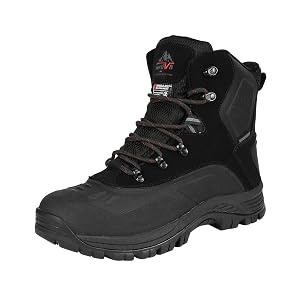
1. NORTIV 8 Snow Boots
- Insulation: 200g, rated to -25°F
- Waterproofing: Waterproof build, windproof toe cap
- Insole: Removable, washable pile fabric
- Outsole: Slip-resistant rubber
The NORTIV 8 snow boot is built for cold days, with 200g insulation that keeps feet warm even in extreme temperatures. The insulated lining and waterproof construction make it a dependable choice for snowy commutes, skiing trips, and winter trail walks. Wide-footed hikers will appreciate that the removable insole can be swapped for a custom orthotic, which frees up extra volume inside the boot.
The pile-fabric insole absorbs sweat and softens impact, reducing fatigue over longer distances. The rubber outsole grips well on mixed terrain, and the synthetic toe cap protects against bumps. Because the boot is insulated, it can feel snug with thick socks, so wide feet should consider sizing up half a size and checking the fit with winter socks before heading out.
Pros:
- Very warm lining
- Washable insole
Cons:
- Can feel snug with thick socks
- Too warm for mild weather
2. Columbia Women’s Newton Ridge Plus

- Upper: Suede and leather
- Waterproofing: Waterproof exterior
- Midsole: Lightweight, high energy return
- Outsole: Advanced traction rubber
The Columbia Newton Ridge Plus is a trail-focused boot for women who want durable protection without extra weight. The suede and leather upper resists rain, mud, and muck, while the waterproof construction keeps socks dry in slushy conditions. Columbia describes the fit as true to size, so women with wide feet should look for wider widths where offered and confirm toe box room with their usual hiking socks.
Underfoot, the lightweight midsole absorbs impact and returns energy, which helps on long descents. The advanced traction outsole grips wet rock and packed snow reasonably well. This boot is not heavily insulated, so it suits cool shoulder-season hikes and mild winter days best. For deep cold, pair it with warm wool socks and consider gaiters to keep snow from entering the collar.
Pros:
- Lightweight and cushioned
- Waterproof leather upper
Cons:
- Limited insulation
- Not ideal for deep snow
3. Columbia Men’s Fairbanks Omni-Heat

- Insulation: Low-bulk, thermal-reflective lining
- Waterproofing: Waterproof-breathable build
- Profile: Slimmer than bulky winter boots
- Options: Multiple colors and sizes
The Columbia Fairbanks Omni-Heat offers a versatile middle ground between a hiking boot and a heavy winter boot. Its low-bulk insulation and thermal-reflective lining hold in body heat without making the boot clunky, which helps when you need room for a wider forefoot. The waterproof-breathable construction handles wet snow, mud, and cold puddles without trapping excess moisture.
Because the profile is slimmer than traditional snow boots, it feels agile on rolling trails and everyday errands alike. Wide-footed hikers should check availability in wide widths and test the fit with midweight socks, since a thermal lining can reduce interior space slightly. It is best for cold, wet days rather than extreme arctic conditions, where a heavier insulated boot would offer more protection.
Pros:
- Warm without bulk
- Breathable waterproofing
Cons:
- Not for extreme cold
- Lining may reduce toe space
4. NORTIV 8 Ankle High Boots

- Cut: Ankle high
- Midsole: Lightweight, flexible EVA
- Insole: Removable, shock-absorbent cushion
- Outsole: Slip-proof rubber with advanced traction
This NORTIV 8 ankle-high boot focuses on comfort and flexibility rather than heavy insulation. The lightweight EVA midsole reduces foot fatigue and offers cushioning with good energy return, making it pleasant for long days on the trail. The removable cushioned insole supports the foot and can be replaced with a wider or custom insole, giving wide feet extra adjustability.
The rubber outsole delivers firm traction on wet, muddy, or uneven ground, and the design suits hiking, camping, hunting, and daily work. It is more of a three-season boot than a true snow boot, so winter use works best with thick wool socks and dry, packed trails. Hikers with wide feet should size carefully and test the lacing for pressure across the instep.
Pros:
- Lightweight and flexible
- Strong traction
Cons:
- Light on insulation
- Ankle cut lets snow in
5. ANJOUFEMME Women’s Winter Boots

- Outer: Waterproof PU
- Lining: Breathable plaid fabric
- Outsole: Flexible, wear-resistant TPE
- Closure: Lace-up, reinforced eyelets
The ANJOUFEMME ankle boot is a practical option for light snow, rain, and everyday walking. The waterproof PU outer keeps moisture out, while the breathable plaid lining wicks sweat for a less clammy feel. The removable insole and lace-up closure let you adjust the fit, which is helpful if you have wider feet or wear thicker socks in colder weather.
The TPE outsole grips wet pavement and muddy paths, making the boot practical for dog walks, commuting, and light farm work. Its lightweight build reduces fatigue, and the light brown color pairs easily with casual outfits. However, it is better suited to mild winter conditions than serious alpine hiking, so look elsewhere if you expect deep snow or sustained subfreezing temperatures.
Pros:
- Lightweight and stylish
- Adjustable, removable insole
Cons:
- Limited warmth
- Not for technical hiking
6. Columbia Men’s Newton Ridge Plus II

- Upper: Waterproof mesh and leather
- Midsole: Lightweight, high energy return
- Outsole: Advanced traction lugs
- Sizing: Multiple colors, sizing chart
The Newton Ridge Plus II is a dependable men’s hiking boot that blends durability with low weight. The waterproof mesh and leather upper shields your feet from wet trails, and the structure feels supportive without being stiff. Columbia provides a sizing chart, which is useful for wide-footed hikers who need to compare measurements before ordering. Wider widths are worth looking for.
The signature midsole cushions impact and returns energy, so legs stay fresher on long climbs and descents. The traction outsole grips mud, wet rock, and light snow confidently. Insulation is minimal, which makes this boot ideal for crisp fall and early winter hikes, or for deep winter when paired with warm wool socks. It is a practical choice for hikers who value comfort over extreme warmth.
Pros:
- Lightweight and supportive
- Reliable traction
Cons:
- Minimal insulation
- Mesh panels may feel cooler
7. Timberland White Ledge Mid

- Upper: 100% waterproof leather
- Construction: Seam-sealed, gusseted tongue
- Midsole: EVA footbed and midsole
- Outsole: Solid rubber, multi-directional lugs
The Timberland White Ledge Mid is a classic leather hiking boot known for durability and rugged looks. Its premium waterproof leather upper and seam-sealed construction block out slush and snowmelt, while the fully gusseted tongue stops debris from sneaking in. Leather also tends to stretch and mold to the foot over time, which can gradually ease pressure for people with wide feet.
The EVA footbed and midsole provide light cushioning, and the solid rubber outsole with multi-directional lugs delivers steady traction on rocks, mud, and snowy paths. The speed lace hardware makes tightening quick, even with gloves. Insulation is not a focus, so combine it with warm socks in winter. Allow a break-in period, and check wide width options for the best fit.
Pros:
- Durable waterproof leather
- Stretches to fit over time
Cons:
- Needs a break-in period
- Minimal insulation
How to Choose Wide-Fit Winter Hiking Boots
Choosing winter hiking boots is harder when your feet are wide, because many cold-weather models are built on narrow lasts and add insulation that reduces interior space. A boot that feels fine in the store can become painful after two hours on a frozen trail. The guidance below explains how to measure your feet, evaluate fit features, match insulation to the weather, and avoid common mistakes, so you can pick a pair that stays warm, dry, and comfortable.
Know Your Foot Width
Foot width is usually labeled with terms such as standard, wide, and extra wide. Brands do not always use the same scale, so a wide boot from one company may feel different from another. Start by measuring your feet, then compare the results against each manufacturer’s sizing chart rather than relying on your usual shoe size.
Measure in the Afternoon
Feet swell during the day and after activity, so measure in the late afternoon. Stand on a sheet of paper, trace your foot, and measure the widest point across the ball of the foot. Repeat the process while wearing the socks you plan to hike in.
Measure Both Feet
Most people have one foot slightly larger than the other. Always fit the boot to the larger foot, and use a thicker insole or lacing adjustments for the smaller one.
Fit Features That Matter
Once you know your width, look for design details that create extra room without sacrificing support.
Toe Box Shape
A roomy, rounded toe box lets your toes spread naturally, which improves balance and prevents blisters. Cold feet also need space for blood flow, so a cramped toe area makes chilly toes more likely on long winter days.
Available Widths
Look for models sold in wide or extra wide options. Leather boots usually stretch and mold over time, while synthetic and PU boots tend to keep their shape, so they need a correct fit from the first wear.
Removable Insoles
Removable insoles let you replace the factory footbed with an orthotic or a thinner insole to gain volume. Several boots in this guide include removable insoles for this reason, and it is one of the easiest ways to fine-tune fit.
Lacing Design
Lace-up closures with plenty of eyelets let you loosen the forefoot while keeping the heel and ankle secure. Skipping an eyelet over a pressure point can also relieve discomfort without changing boots.
Match Insulation to Conditions
Insulation adds warmth but also takes up space inside the boot, so choose only what you need. The table below offers a simple guide.
| Conditions | Suggested Insulation | Fit Note |
|---|---|---|
| Cool, wet days (30°F to 50°F) | Little or none | Most room for wide feet |
| Cold, snowy days (10°F to 30°F) | Light, around 100g to 200g | Test with midweight socks |
| Extreme cold (below 0°F) | 200g or higher | Consider sizing up half a size |
Insulation ratings are guides, not guarantees. Activity level matters, because hiking generates heat while standing around does not. If you run warm, a lighter boot with warm socks often feels better than a heavily insulated one.
Waterproofing and Breathability
Wet feet get cold fast, so waterproof construction is essential. Seam-sealed uppers, gusseted tongues, and waterproof membranes all help keep slush out. Breathability is equally important, because trapped sweat soaks socks and chills your feet during breaks. Look for moisture-wicking linings and breathable membranes, and avoid fully sealed rubber boots for long hikes.
Upper Materials Compared
| Material | Strengths | Considerations |
|---|---|---|
| Full-grain leather | Durable, stretches to fit | Needs a break-in period |
| Suede and leather blend | Lighter and flexible | Needs regular care |
| Mesh and leather | Light and breathable | Less warm in deep cold |
| Synthetic or PU | Light, dries quickly | Little stretch, shorter lifespan |
If you have wide feet, leather often gives the most forgiving long-term fit, while synthetic materials demand accurate sizing from the start.
Traction and Cushioning
Outsole Lugs
Deep, multi-directional lugs grip snow, mud, and wet rock. Rubber stays flexible in cold temperatures, while hard plastic outsoles can become slippery. A wide outsole platform also adds stability, which helps hikers with wider feet who carry heavy packs.
Midsole Support
EVA midsoles are lightweight and absorb impact, which reduces fatigue on long trails. Choose firmer midsoles for heavy loads and softer ones for light day hikes.
Sock and Sizing Tips
- Try boots with the exact socks you plan to hike in.
- Leave about a thumb’s width of space beyond your longest toe.
- Choose wool or synthetic socks, and avoid cotton because it holds moisture.
- Walk down an incline to check that your toes do not hit the front.
- Avoid layering several thick socks, since this squeezes the foot and limits circulation.
- Break in new boots at home before a big trip.
Mistakes to Avoid
- Buying a longer size instead of a wider one, which causes heel slip and blisters.
- Choosing maximum insulation for every outing, which can cause sweaty, then cold, feet.
- Ignoring return policies, which matter when sizing varies between brands.
- Skipping waterproofing care, which reduces protection over time.
Final Checklist
- Measured both feet in the afternoon
- Wide or extra wide option available
- Roomy toe box with secure heel
- Insulation suited to your climate
- Waterproof and breathable construction
- Rubber outsole with deep lugs
- Removable insole for adjustments
The best winter hiking boot is the one that fits your foot shape first and matches the weather second. Take your time, test boots with proper socks, and prioritize comfort over appearance. A well-fitted pair will keep your feet warm, dry, and ready for many winter miles.