
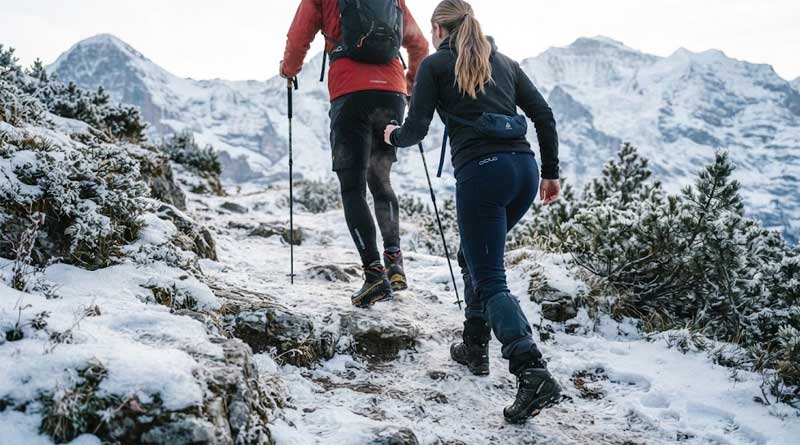
Best Base-Layer Bottoms of 2026
When the temperatures drop, staying warm starts from the ground up. Base-layer bottoms are the secret to beating the chill, acting like a cozy second skin that traps heat close to your body. Whether you’re hitting the slopes or just braving a cold commute, the right pair keeps you dry by wicking away sweat. With so many fabrics and fits available, finding your perfect match can be tricky. This guide will help you pick the best base-layer bottoms for your needs, ensuring you stay comfortable and warm all winter long.
1. REI Co-op Midweight

- Fabric: 92% recycled polyester / 8% spandex, bluesign approved
- Sun Protection: UPF 50+ rated fabric
- Moisture Wicking: Yes, keeps skin dry
- Inseam Options: 28 or 31 inches
For those who spend long hours outdoors regardless of season, this REI Co-op option delivers dependable warmth without feeling bulky. The recycled polyester and spandex blend stretches easily with every movement, making it a smart pick for hiking, skiing, or simply layering under everyday winter wear. The added UPF 50+ protection is a nice bonus for high-altitude outings where sun exposure is intense.
Beyond comfort, the fabric does a great job managing sweat during high-output activities, so you stay dry rather than clammy. The fly opening adds practicality for quick bathroom breaks on the trail, a detail many similar leggings skip. Overall, it strikes a solid balance between technical performance and everyday wearability.
- Pros: Stretchy fit, strong sun protection, eco-conscious materials
- Cons: Runs warm in mild weather, sizing can vary
View Men’s at REI View Men’s at REI
2. Merino.tech Base Layer Bottoms

- Material: 100% superfine 17.5 micron merino wool
- Weight Options: Lightweight 165 g/m², midweight 250 g/m², heavyweight 320 g/m²
- Odor Control: Naturally moisture wicking and odor resistant
- Care: Machine washable, air dry recommended for longevity
This merino wool base layer is a comfortable everyday option for both men & women who want warmth without the itch often associated with wool garments. The ultra-fine fibers feel soft against the skin, and the natural temperature-regulating properties make it suitable for both cold hikes and cooler evenings around camp. It avoids the clingy, sweaty feeling that synthetic fabrics sometimes cause.
What stands out most is how well it resists odor after repeated wear, making it ideal for multi-day trips where laundry access is limited. The brand also backs its products with a satisfaction guarantee, which adds peace of mind. It layers easily under pants or a skirt for versatile use in varied climates.
- Pros: Naturally odor resistant, breathable, multiple weight options
- Cons: Wool may shrink if machine dried, higher price point
View Men’s at Amazon View Women’s at Amazon
3. Icebreaker Merino 200 Oasis

- Fabric: Merino wool jersey knit
- Sun Protection: UPF 20 rated
- Performance: Moisture wicking and quick drying
- Inseam: 29.5 inches
These leggings offer a soft, foundational layer, tackling snowsports or cold-weather adventures. The merino jersey fabric feels gentle against the skin while providing consistent warmth throughout the day. Its updated cut improves mobility, which matters when you’re skiing, snowshoeing, or moving through varied terrain in freezing conditions.
The quick-drying nature of the wool means less discomfort from sweat buildup during intense activity, and the moisture-wicking finish keeps chill at bay once you slow down. While the UPF rating is lower than some synthetic alternatives, it’s still a helpful addition for bright snow days. It’s a reliable everyday layering piece for repeated seasonal use.
- Pros: Soft next-to-skin feel, quick drying, good mobility
- Cons: Lower UPF rating, less durable than synthetic blends
View Men’s at REI View Women’s at REI
4. Smartwool Classic All-Season

- Fabric: 88% merino wool / 12% nylon blend
- Versatility: Designed for use across all four seasons
- Moisture Wicking: Yes, keeps skin comfortable
- Inseam: 30.75 inches
People looking for a year-round layering piece will appreciate how versatile this Smartwool option is. The wool-nylon blend adds durability while keeping the lightweight feel intact, making it comfortable whether worn under ski pants in winter or alone on a chilly summer night outdoors. The updated fit hugs the body without feeling restrictive.
Its moisture-wicking performance helps regulate temperature during changing conditions, so you’re not left overheated or too cold. The nylon addition also improves longevity compared to pure wool options, which is helpful for frequent outdoor use. It’s a practical, low-maintenance choice for anyone building a reliable base layer wardrobe.
- Pros: Durable blend, comfortable four-season use, good stretch
- Cons: Less warmth than heavier wool options, limited color choices
View Men’s at REI View Women’s at REI
5. Smartwool Classic Thermal

- Fabric: 100% merino wool construction
- Weight: Midweight for reliable warmth
- Moisture Wicking: Yes, helps regulate body temperature
- Inseam: 30 inches
This thermal option is built for folks who need extra warmth during high-output winter activities like skiing, running, or long hikes. The pure merino wool construction offers a cozy, insulating feel while still allowing skin to breathe, preventing the overheated sensation common with synthetic thermals. The improved fit moves smoothly with the body.
Its midweight profile makes it a strong middle-ground choice, warm enough for freezing temperatures but not overly heavy for layering. The natural wicking of merino wool keeps moisture from lingering against skin, which helps maintain comfort over long days outside. It’s a dependable pick for cold-weather consistency.
- Pros: Excellent warmth, breathable, comfortable improved fit
- Cons: Not ideal for warm weather, requires gentle washing
View Men’s at REI View Women’s at REI
6. REI Co-op Lightweight

- Fabric: 94% recycled polyester / 6% spandex
- Sun Protection: UPF 50+ rated
- Performance: Moisture wicking and quick drying
- Inseam Options: 28 or 31 inches
For those who need a base layer suited to moderate temperatures, this lightweight synthetic option is a great everyday choice. It’s breathable enough for shoulder-season hikes but still offers enough coverage to keep chill away on cooler mornings. The spandex blend allows for a comfortable, close fit that moves with you.
Its quick-drying properties make it especially useful for activities where sweat builds up quickly, such as trail running or backcountry travel. The UPF 50+ rating adds valuable sun protection for long days spent outside. Overall, it’s an affordable, versatile piece that works well across a range of mild to moderately cold conditions.
- Pros: Lightweight feel, good sun protection, budget-friendly
- Cons: Not warm enough for extreme cold, thinner fabric
View Men’s at REI View Women’s at REI
7. REI Co-op Merino 185

- Fabric: 100% merino wool, ultrafine fibers
- Sun Protection: UPF 30 rated
- Performance: Moisture wicking, quick drying, odor resistant
- Inseam Options: 28 or 31 inches
This lightweight merino option is a comfortable pick for people who prioritize breathability without sacrificing warmth. The ultrafine wool naturally resists pilling and odor, which is a real advantage on multi-day adventures where fresh laundry isn’t an option. Flat seams reduce chafing, adding to the all-day comfort factor.
It performs well across a range of activities, from trail hikes to casual layering during colder commutes. The quick-drying wool handles sweat efficiently, and the UPF 30 rating offers a modest layer of sun defense. It’s a well-rounded, natural-fiber option for anyone who prefers wool over synthetic materials.
- Pros: Odor and pilling resistant, breathable, comfortable seams
- Cons: Lighter warmth than heavier merino options, delicate care needed
View Men’s at REI View Women’s at REI
8. Patagonia Capilene Midweight

- Fabric: 100% recycled polyester, dot-joint double knit
- Weight: 4.1 oz (140 g) midweight construction
- Performance: Moisture wicking and quick drying
- Inseam: 30 inches
Patagonia’s Capilene line offers a reliably smooth, soft base layer for winter conditions. The double-knit polyester fabric wicks sweat efficiently while providing balanced warmth, making it suitable for both high-output activities and slower-paced outdoor days. It layers easily under pants without adding noticeable bulk.
The recycled fabric composition appeals to environmentally conscious buyers without compromising performance. It dries quickly after exposure to moisture, whether from sweat or snow, keeping you comfortable during extended outings. This is a dependable, no-fuss option for building a versatile cold-weather wardrobe.
- Pros: Soft and smooth feel, eco-friendly materials, balanced warmth
- Cons: Limited sun protection rating listed, mid-range price
View Men’s at REI View Women’s at REI
9. REI Co-op Merino 250

- Fabric: 100% merino wool, heavyweight construction
- Sun Protection: UPF 50+ rated
- Performance: Moisture wicking and quick drying
- Inseam Options: 29 or 32 inches
When temperatures drop drastically, this heavyweight merino option provides serious insulation and maximum warmth. It’s designed for the coldest days of winter, whether you’re skiing backcountry terrain or simply braving frigid outdoor chores. The thick wool construction doesn’t sacrifice breathability despite its warmth level.
Despite being heavyweight, the fabric still wicks moisture and dries relatively quickly, preventing that clammy feeling during high-exertion activities. The UPF 50+ rating is a helpful addition for snow-bright environments. This is best suited as a dedicated deep-winter piece rather than an everyday layer.
- Pros: Maximum warmth, strong sun protection, quick drying
- Cons: Too warm for mild weather, bulkier under fitted pants
View Men’s at REI View Women’s at REI
10. Arc’teryx Rho LT

- Fabric: Torrent 190, 84% polyester / 16% elastane
- Weight: Lightweight thermal construction
- Performance: Moisture wicking and quick drying
- Best Use: Low to medium output activities
The Arc’teryx Rho LT is a sleek, lightweight thermal base layer well suited for women engaging in lower-intensity cold-weather activities like casual skiing, winter walks, or travel. The polyester-elastane blend offers a smooth, second-skin fit that adds warmth without excessive bulk under outerwear.
Its moisture-wicking finish keeps skin dry even during light activity, and the quick-drying fabric handles snow exposure well. While it lacks a fly opening, its streamlined design makes it a great minimalist choice for layering under ski pants or leggings during moderate winter conditions.
- Pros: Sleek fit, lightweight warmth, quick drying performance
- Cons: No fly opening, best suited to low-output use only
View Men’s at REI View Women’s at REI
How to Choose Base-Layer Bottoms: The Ultimate Guide
When winter rolls in or you head to the mountains, your outer layers get all the attention. But the real hero of your outfit is what you wear underneath. Base-layer bottoms are the foundation of any cold-weather wardrobe. They sit right against your skin and do the heavy lifting of keeping you warm, dry, and comfortable. Pick the wrong pair, and you will spend the whole day feeling cold, sweaty, or itchy. Pick the right pair, and you might forget you are even wearing them. This guide will walk you through everything you need to know to choose the best base-layer bottoms for your needs.
Why Base-Layer Bottoms Matter
Before we dive into the details, it helps to understand what base layers actually do. They are not just thick long johns from your grandpa’s closet. Modern base layers are technical garments designed to manage moisture. When you move, you sweat. If that sweat stays on your skin, it cools you down fast. A good base layer pulls that moisture away from your skin and pushes it to the outer layers where it can evaporate. This process is called “wicking.” At the same time, base layers trap a thin layer of warm air next to your body for insulation. In short, the right base layer keeps you dry and warm, which is the secret to enjoying any outdoor activity in the cold.
Key Factors to Consider
Choosing the right base-layer bottoms is not a one-size-fits-all decision. You need to think about your activity, the weather, and your personal preferences. Here are the most important factors to consider.
1. Material: The Fabric Makes All the Difference
The material is the single most important choice you will make. Each fabric has its own strengths and weaknesses. Here is a breakdown of the most common options.
| Material | Pros | Cons | Best For |
|---|---|---|---|
| Merino Wool | Natural, odor-resistant, breathable, great temperature regulation, soft | Expensive, can be delicate, dries slower than synthetics | Multi-day trips, casual wear, sensitive skin |
| Polyester | Dries fast, durable, affordable, great wicking | Can hold odors, feels less natural against skin | High-intensity activities, budget-conscious buyers |
| Nylon | Very durable, stretchy, comfortable, dries quickly | Less breathable than polyester, can feel slick | Mixed activities, durability-focused users |
| Silk | Ultra-light, smooth, great for mild cold, packable | Not very warm, expensive, delicate | Travel, mild winter days, sleepwear |
| Blends | Combine best qualities (e.g., wool/polyester mix) | Can vary widely in quality | Versatile use, balanced performance |
2. Weight: Light, Mid, or Heavy
Base layers come in different weights, which basically means how thick and warm they are. Choosing the right weight is crucial for comfort.
- Lightweight (or “silkweight”): Thin and breathable. Great for high-energy activities like running or cross-country skiing, even in very cold weather, because they wick sweat fast without overheating you.
- Midweight: The most versatile option. Thicker than lightweight, offering good insulation for most winter sports like downhill skiing, snowboarding, or hiking in freezing temperatures.
- Heavyweight: Thick and very warm. Best for low-intensity activities in extreme cold, like ice fishing, winter camping, or sitting in a cold deer stand. They are not ideal for high-output activities because they trap too much heat.
3. Fit: Snug but Not Suffocating
Base layers work best when they are close to your skin. A snug fit allows moisture to transfer efficiently. If they are too loose, the fabric cannot wick properly, and cold air can get in. However, they should not be so tight that they restrict movement or feel uncomfortable. Look for a “second-skin” feel. Most brands offer a slim or athletic fit. When trying them on, make sure you can squat, bend, and walk freely. Also, consider the length. The bottoms should be long enough to tuck into your socks without bunching up.
4. Activity Level: Match the Layer to Your Sport
What you plan to do matters a lot. A backcountry skier burning calories uphill has different needs than a casual spectator at a football game.
- High-output activities (running, skiing, snowshoeing): Choose lightweight or midweight synthetic fabrics for maximum breathability and fast drying. You will sweat a lot, so wicking is more important than insulation.
- Moderate activities (hiking, casual skiing): Midweight merino wool or a blend is perfect. It offers warmth without overheating and handles odor well for all-day wear.
- Low-output activities (hunting, camping, everyday wear): Heavyweight options are your friend. You are not generating much body heat, so you need the extra insulation to stay warm.
5. Features: Details That Make a Difference
Beyond the basics, there are a few extra features to look for that can boost comfort and performance.
- Flatlock seams: These seams lie flat against your skin, reducing chafing and irritation, especially important for long days of movement.
- Gusseted crotch: A diamond-shaped panel in the crotch area gives you more freedom of movement and prevents the fabric from riding up.
- Elastic waistband: A comfortable, non-binding waistband is essential. Look for one with a drawstring for a custom fit.
- Fly access: For men, a functional fly is a nice convenience. For women, some brands offer drop-seat designs for easier restroom breaks.
- Ankle zips: Small zippers at the ankles make it easier to put on and take off the bottoms over bulky boots.
Merino Wool vs. Synthetic: The Great Debate
This is the biggest question people face. Both have loyal fans, and the right answer depends on you. Here is a quick comparison to help you decide.
When to Choose Merino Wool
Choose merino if you hate body odor, as wool is naturally antibacterial. It is also great if you have sensitive skin, as it is very soft (unlike traditional scratchy wool). It works well in changing temperatures because it insulates even when damp. The downside is the price and the fact that it does not dry as fast as synthetic fabrics. It is the premium choice for comfort.
When to Choose Synthetic
Choose synthetic (like polyester or nylon) if you are on a budget or doing very sweaty activities. Synthetics dry incredibly fast, are more durable against rough wear, and are easier to wash. They are also lighter and more compressible for packing. The main drawbacks are odor retention and a less natural feel against the skin.
How to Care for Your Base-Layer Bottoms
Good base layers are an investment. Proper care will make them last for years.
- Wash less often: Merino wool especially does not need frequent washing. Air them out after use.
- Use gentle detergent: Avoid fabric softeners and bleach. They can damage the fabric and ruin wicking ability. Use a mild soap or one made for technical fabrics.
- Wash in cold water: Hot water can shrink wool and degrade synthetic fibers.
- Air dry: Tumble drying is the enemy of base layers. It shrinks wool and can melt or warp synthetics. Lay them flat or hang them to dry.
Common Mistakes to Avoid
Even experienced outdoor enthusiasts make these errors. Here is what to avoid.
- Wearing cotton: Cotton is the worst choice. It holds moisture like a sponge and will leave you freezing. Never wear cotton as a base layer in cold conditions.
- Buying too big: A loose fit defeats the purpose. Go for a snug, athletic fit for best performance.
- Overdressing: Many people buy the heaviest base layer thinking it will be warmer. But if you are active, you will overheat and sweat, which will make you colder later. Match the weight to your activity.
- Ignoring the weather: A base layer alone is not enough. Remember, it works together with your mid-layer (insulation) and outer shell (wind/water protection).
Final Thoughts: Which Pair Should You Buy?
There is no single “best” base-layer bottom for everyone. The best choice depends on your personal needs. If you want one pair for all-around use, a midweight merino wool blend is a safe and excellent investment. It works for most activities and weather conditions. If you are on a tight budget or plan to do intense, sweaty sports, go for a lightweight or midweight synthetic. For extreme cold and low activity, a heavyweight fleece-lined option is the way to go.
Remember to think about the material, weight, fit, and your specific activity. Once you find the right base-layer bottoms, you will wonder how you ever survived winter without them. They are the unsung heroes of cold-weather comfort, and with this guide, you are now ready to make a smart, informed choice. Stay warm, stay dry, and get out there.