Best Down Jackets for Extreme Cold of 2026
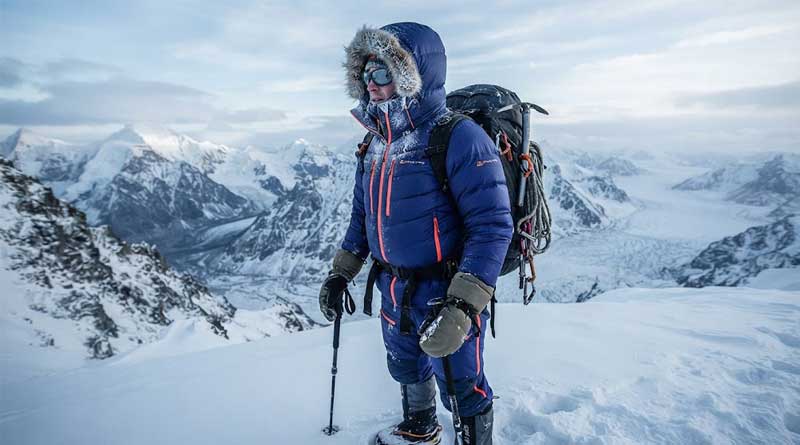
When winter brings freezing temperatures and biting winds, ordinary coats simply will not do. To stay truly warm in extreme cold, you need a high-performance down jacket that traps your body heat without weighing you down. Whether you are planning a snowy mountain hike or just facing a brutal commute in freezing weather, the right jacket makes all the difference. This guide explores the best down jackets on the market designed to keep you warm, dry, and comfortable when the weather turns harsh.
1. REI Co-op Stormhenge

- Best Use: Snowsports, Hiking
- Insulation: 850-fill goose down + recycled polyester
- Waterproofing: HydroWall 2-layer shell
- Back Length: 35.5 inches (thigh-length)
The REI Co-op Stormhenge parka is a brilliant fusion of waterproof protection and premium down warmth, designed for those who refuse to let wet weather ruin their winter adventures. Its HydroWall shell keeps moisture out while allowing breathability, and the mapped insulation strategy places 850-fill goose down where you need it most, with recycled synthetic fill in high-moisture areas. The thigh-length cut provides extra coverage, and the 2-way zipper adds convenience for layering or sitting.
This parka is a top-tier choice for snowsports enthusiasts and hikers who face unpredictable conditions. The bluesign-approved materials and recycled content reflect a commitment to sustainability without compromising performance. While it weighs just under two pounds, it delivers “warmest” level insulation, making it a reliable companion for frigid days. The adjustable hood and water-resistant down ensure you stay dry and cozy, whether you’re on the slopes or trekking through winter trails.
- Pros: Excellent waterproofing, high-quality 850-fill down, thigh-length coverage.
- Cons: Slightly heavier than ultralight options, pricey for budget buyers.
See the REI Co-op Stormhenge See the Women’s Stormhenge
2. Rab Neutrino Pro

- Best Use: Multisport
- Insulation: 800-fill European goose down with hydrophobic finish
- Packable: Yes, compresses small
- Back Length: 30.3 inches (hip-length)
The Rab Neutrino Pro is a hardwearing winter refuge that delivers reliable warmth in a remarkably packable package. Filled with premium 800-fill European goose down treated with a fluorocarbon-free hydrophobic finish, this jacket retains its loft even in damp conditions. The 100% recycled nylon shell and lining are durable and weather-resistant, making it a versatile choice for multisport use, from alpine climbing to cold-weather camping. Its hip-length cut and 2-way zipper offer freedom of movement and easy access to layers beneath.
Weighing just over a pound, the Neutrino Pro is incredibly lightweight for its warmth level, earning a “warmest” rating. It compresses down small to fit in your pack, so you can carry it without hesitation on any expedition. The adjustable hood and water-resistant down provide extra protection against the elements, while the recycled materials align with eco-conscious values. This jacket is a dependable ally for anyone seeking high-performance insulation without the bulk.
- Pros: Superb warmth-to-weight ratio, highly packable, durable recycled shell, eco-friendly water-resistant down.
- Cons: Hip-length may not suit those wanting longer coverage, no waterproof shell.
See the Rab Neutrino Pro See the Women’s Neutrino Pro
3. REI Co-op Campwell

- Best Use: Casual
- Insulation: 650-fill down + recycled polyester in lower body
- Back Length: 35 inches (thigh-length)
- Weight: 2 lbs. 4 oz.
The REI Co-op Campwell Down Parka is your cozy companion for braving brrr-inducing temperatures in style and comfort. With a thigh-length cut that feels like a warm hug, this parka is filled with 650-fill-power down in the main body and hood, while the lower body and hood brim feature recycled polyester synthetic insulation for added resilience in wetter areas. The bluesign-approved nylon and recycled polyester lining ensure a soft, responsible feel, making it ideal for everyday wear during the coldest months.
Designed for casual use, the Campwell doesn’t skimp on warmth—it’s rated “warmest” and offers a 2-way zipper for ease of movement. At just over two pounds, it’s substantial enough to shield you from harsh winter winds, yet comfortable for all-day wear. The hood adds extra coziness, and the thoughtful blend of down and synthetic insulation balances warmth and durability. This parka is a fantastic choice for urban explorers and outdoor enthusiasts who prioritize comfort and sustainability.
- Pros: Exceptionally warm, thigh-length coverage, sustainable materials, cozy hood design.
- Cons: Heavier than technical jackets, not waterproof.
See the REI Co-op Campwell See the Women’s Campwell
4. The North Face McMurdo

- Best Use: Multisport
- Insulation: 600-fill recycled down + faux fur
- Waterproofing: DryVent 2-layer shell
- Back Length: 31.75 inches (hip-length)
The North Face McMurdo down parka is a long coat packed with must-have features for serious winter warriors. Its DryVent 2-layer shell is windproof, waterproof, and breathable, ensuring you stay dry in sleet or snow, while 600-fill-power recycled down insulation provides dependable “warmest” level heat. The hip-length cut and 2-way zipper offer practicality, and the faux fur-trimmed hood adds a touch of classic style without compromising function. The recycled nylon and polyester fabrics with non-PFC DWR finish underscore a commitment to reducing environmental impact.
This parka is a versatile workhorse for multisport use, from commuting to weekend hikes in harsh weather. The recycled down retains its loft well, and the durable shell stands up to abrasion. While the hip length may not offer the full coverage of a thigh-length parka, it balances mobility and warmth effectively. The McMurdo is a reliable, feature-rich choice for anyone needing a waterproof, insulated coat that performs in the worst winter conditions.
- Pros: Waterproof and windproof, durable recycled materials, stylish faux fur hood, versatile for various activities.
- Cons: Hip-length may be short for some, heavier than minimalist jackets.
See The North Face McMurdo See the Women’s Arctic
5. Outdoor Research Stormcraft

- Best Use: Casual
- Insulation: 700-fill down
- Waterproofing: 2-layer GORE-TEX membrane
- Back Length: 35 inches (thigh-length)
The Outdoor Research Stormcraft down parka is built to stand up to the fiercest winter weather, combining waterproof GORE-TEX protection with generous 700+ fill-power down insulation. The 2-layer GORE-TEX membrane is both waterproof and breathable, keeping you dry from the outside while preventing overheating. The thigh-length cut offers extended coverage, and the 20-denier ripstop nylon lining adds durability without sacrificing comfort. This parka is rated “warmest” and is ideal for casual wear in cold, stormy climates.
Weighing just under three pounds, the Stormcraft is a substantial jacket that doesn’t compromise on warmth or weather resistance. The 700-fill-power down provides excellent loft and heat retention, while the GORE-TEX shell ensures you remain impervious to rain and wind. The hood and 2-way zipper enhance functionality, making it a go-to for daily commutes or winter walks. Though it’s heavier than some technical options, its robust construction and reliable performance make it a standout for those who demand uncompromising protection.
- Pros: Premium GORE-TEX waterproofing, high-loft 700-fill down, thigh-length coverage, excellent wind protection.
- Cons: Heavy for backpacking, price reflects high-end materials.
See the Outdoor Research Stormcraft See the Women’s Stormcraft
6. Rab Valiance

- Best Use: Hiking
- Insulation: 700-fill recycled down with hydrophobic finish
- Waterproofing: 2-layer Pertex Shield
- Back Length: 32.08 inches (hip-length)
The Rab Valiance jacket is engineered for the coldest months, featuring Pertex Shield fabric and 700-fill-power recycled down to keep you warm and dry on the trail. The 2-layer Pertex Shield is fully waterproof and windproof, while the down is treated with a Grangers hydrophobic finish to resist moisture and maintain loft. Its hip-length cut and 2-way zipper offer mobility and easy layering, making it a practical choice for hiking and other outdoor pursuits. The repairable design adds to its longevity, a thoughtful touch for sustainability-minded adventurers.
Weighing under two pounds, the Valiance balances warmth and packability, earning a “warmest” rating for cold-weather hikes. The 100% nylon shell and lining are durable yet lightweight, and the water-resistant down ensures performance even in damp snow. The hood provides added protection, and the jacket’s streamlined profile doesn’t restrict movement. This is a reliable, eco-friendly option for hikers who need a waterproof, insulated jacket that can handle winter’s worst while being kind to the planet.
- Pros: Waterproof Pertex Shield, recycled down with hydrophobic treatment, repairable construction, lightweight for its warmth.
- Cons: Hip-length may not suit all, slightly higher price point.
See the Rab Valiance See the Women’s Valiance
7. Mountain Hardwear Compressor

- Best Use: Mountaineering
- Insulation: PrimaLoft Gold P.U.R.E. (133g body, 100g underarms)
- Packable: Yes
- Back Length: 31 inches (hip-length)
The Mountain Hardwear Compressor Alpine Hooded jacket is a synthetic powerhouse designed for wet and cold mountaineering challenges. It uses PrimaLoft Gold P.U.R.E. insulation—133 grams in the body and hood, with 100 grams in the underarms—to deliver “warmest” level heat even when damp. The Pertex Quantum Pro Diamond Fuse shell and recycled nylon panels provide durability and weather resistance, while the 15-denier nylon lining ensures a comfortable fit. With multiple pockets and a packable design, it’s built for technical climbs and alpine pursuits.
This jacket excels in high-output activities where moisture management is critical. The synthetic insulation maintains its loft when wet, offering reliable warmth in unpredictable conditions. The 2-way zipper and hip-length cut allow for easy movement and layering, and the hood adds extra protection. Weighing just 1 lb. 10.7 oz., it’s surprisingly light for its warmth and durability, making it a top choice for mountaineers and backcountry adventurers who need a jacket that performs under pressure.
- Pros: Excellent wet-weather synthetic insulation, durable Pertex shell, packable, great for high-intensity activities.
- Cons: Not waterproof, hip-length may be short for some.
See the Mountain Hardwear Compressor
8. Patagonia Fitz Roy

- Best Use: Hiking, Climbing
- Insulation: 800-fill Responsible Down Standard down
- Packable: Yes
- Back Length: Hip-length (exact inches unavailable)
The Patagonia Fitz Roy Down Hoody is the ultimate choice for done-in-a-day alpine objectives, where speed and light packing are paramount. Filled with 800-fill-power 100% Responsible Down Standard down, this jacket delivers “warmest” insulation in a surprisingly lightweight package—just 1 lb. 3.1 oz. The 20-denier Pertex Quantum recycled ripstop shell with a PFAS-free DWR finish sheds light moisture, and the 2-way zipper and hip-length cut allow for unrestricted movement during climbs. It’s a minimalist’s dream for fast-paced adventures.
This hoody packs down small to fit in your pack, making it an emergency layer or primary insulation for cold-weather hikes and climbs. The recycled materials and ethical down sourcing align with Patagonia’s environmental ethos, while the hood and adjustable hem enhance fit and warmth. Though the exact back length isn’t listed, the hip-length design balances coverage and mobility. The Fitz Roy is a premium, ultralight insulation piece for those who demand performance, packability, and sustainability in equal measure.
- Pros: Exceptional warmth-to-weight ratio, highly packable, ethically sourced down, eco-friendly shell.
- Cons: Not waterproof, hip-length may not suit those wanting longer coverage.
See the Patagonia Fitz Roy See the Women’s Fitz Roy
How to Choose the Best Down Jackets for Extreme Cold
When winter temperatures plunge well below freezing and bitter winds start howling, ordinary coats and standard winter jackets simply cannot provide the defense you need. Whether you are planning a high-altitude mountaineering expedition, a remote winter camping trip, or simply trying to survive a brutal urban commute in sub-zero weather, investing in a high-performance down jacket is essential. Down insulation remains the absolute gold standard for warmth-to-weight ratio, trapping your body heat efficiently while remaining lightweight and packable. However, navigating the vast array of technical specifications, fill powers, and shell fabrics can feel overwhelming. This comprehensive guide will walk you through everything you need to know to choose the best down jacket for extreme cold conditions.
Understanding Down Insulation Basics
At the core of any exceptional extreme cold jacket is the insulation material itself. Down consists of the fluffy, cluster-like under-feathers found beneath the tougher exterior feathers of ducks and geese. These clusters create countless tiny air pockets that trap warm air and prevent body heat from escaping.
Goat vs. Duck Down
Both duck and goose down provide excellent insulation, but they possess distinct characteristics:
- Goose Down: Typically comes from larger birds, meaning the clusters are often larger and possess a higher maximum fill power. Goose down is generally more durable and better suited for extreme sub-zero environments, though it comes at a higher price point.
- Duck Down: Slightly smaller clusters compared to goose down. High-quality duck down is still remarkably warm and represents a more cost-effective option for many winter adventurers.
Fill Power Explained
Fill power measures the loftiness and insulating efficiency of down. It represents the volume in cubic inches that one ounce of down occupies under specific laboratory conditions. Higher fill power means greater trapping of warm air relative to weight.
- 550 to 650 Fill Power: Standard quality insulation. Found in casual winter coats and budget-friendly options. Bulkier and heavier for the amount of warmth provided.
- 700 to 800 Fill Power: Premium insulation. Offers an exceptional balance of warmth, low weight, and compressibility, making it ideal for backpacking and rigorous winter travel.
- 850+ Fill Power: Elite, ultra-premium insulation. Sourced from mature geese, these rare clusters provide maximum warmth with minimum weight and bulk, perfect for extreme alpine environments.
Fill Weight vs. Fill Power
It is crucial not to confuse fill power with fill weight. While fill power indicates the quality and loft of the down, fill weight measures the actual total amount of down inside the jacket. A jacket with an 800 fill power but very little down will not keep you warm in a blizzard. For extreme cold, look for jackets that combine high fill power (800+) with a substantial fill weight (typically 7 to 10 ounces or more of down).
The Water Resistance Dilemma: Treated Down vs. Dry Down
Traditional down has one major Achilles heel: it loses its insulating properties entirely when it gets wet. When down clusters become saturated with moisture, they clump together, collapse, and fail to trap air. In extreme cold, moisture often comes in the form of falling snow, sleet, or body sweat condensing inside the jacket during high-output activity.
To combat this, modern outdoor manufacturers developed hydrophobic down (also known as treated down). The down clusters are coated with a durable water-repellent (DWR) treatment at a microscopic level. This treatment causes water droplets to bead up and roll off, allowing the down to resist moisture absorption and retain loft much longer in damp, freezing conditions.
Comparison of Insulation Types
| Insulation Type | Warmth-to-Weight Ratio | Performance in Wet Conditions | Best Suited For |
|---|---|---|---|
| Untreated Goose Down | Exceptional (Highest) | Poor (Clumps when wet) | Dry, sub-zero alpine climates |
| Hydrophobic Duck/Goose Down | Very High | Good (Resists moisture well) | Variable winter weather, wet snow |
| Synthetic Insulation | Moderate | Excellent (Warm even when wet) | High-humidity cold, heavy exertion |
Shell Fabrics and Weather Protection
The outer shell of your extreme cold down jacket plays a critical role in protecting the delicate insulation from wind, moisture, and physical abrasion. A high-fill-power jacket with a fragile outer fabric can easily tear on tree branches or let icy winds slice straight through to your skin.
Denier Ratings and Durability
Shell fabric thickness is measured in denier (D). Lower denier fabrics (10D to 20D) are featherlight and packable, but prone to punctures. For extreme cold and rugged backcountry use, look for shell fabrics ranging from 30D to 70D or higher, which offer superior tear resistance.
Windproofing and Membranes
Wind is the primary driver of windchill, which can rapidly sap your body heat. Ensure your jacket features a tightly woven shell or an advanced windproof membrane (such as GORE-TEX WINDSTOPPER or proprietary wind-resistant weaves) to block cold gusts entirely.
Key Design Features for Extreme Cold
When temperatures drop below zero, small design details make the difference between cozy comfort and dangerous hypothermia. Pay close attention to these structural elements:
- Fully Adjustable Hood: Look for a helmet-compatible, insulated hood with a stiffened brim and multiple drawcords to lock out blowing snow and wind from all angles.
- Baffle Construction: Box-wall baffles are far superior to standard sewn-through stitching for extreme cold. Box-wall construction creates internal fabric walls between chambers, eliminating cold spots where stitching compresses the down.
- Extended Hem and Drop Tail: A longer cut that covers your lower back and glutes prevents cold drafts from creeping up your spine when bending or sitting.
- Insulated Draft Tubes: The main front zipper is a notorious weak point for air leakage. A thick, down-filled draft tube running behind the zipper acts as a thermal barrier.
- Cuff Closures: Hook-and-loop wrist tabs or internal stretch-knit gaiters seal the sleeve openings around your gloves, preventing cold air from tunneling up your arms.
Conclusion
Choosing the best down jacket for extreme cold requires a careful balance of high fill power, robust fill weight, water-resistant treatments, and durable weather-proof shell construction. By prioritizing quality box-wall baffling, windproof outer materials, and thoughtful thermal features like insulated draft tubes and deep hoods, you can conquer the harshest winter environments with absolute confidence. Evaluate your specific activities—whether mountaineering, ice fishing, or winter commuting—and invest in a jacket built to keep you warm when nature turns truly severe.